

Understanding ABB AC500 PLC Series Explained: Features, Architecture, Applications, and Selection Guide
Can the ABB AC500 PLC communicate with third-party devices? and Which programming languages does the AC500 support?
 Explore Automation Solutions
Shop Process Control Equipment
ABB AC500 PLC Series Explained: Features, Architecture, Applications, and Selection Guide
Industrial automation has evolved dramatically over the last decade, and modern manufacturers expect programmable logic controllers (PLCs) to do far more than simply control machines. Today’s PLCs must deliver high-speed processing, seamless communication, robust cybersecurity, scalable architectures, and compatibility with Industry 4.0 initiatives.
Among the industry’s most versatile automation platforms is the ABB AC500 PLC Series. Designed to support everything from compact standalone machines to large, distributed process control systems, the AC500 family combines reliability, flexibility, and powerful processing capabilities in a modular platform.
Whether you’re designing a packaging machine, upgrading a water treatment facility, integrating robotic manufacturing cells, or building a complete factory automation system, the AC500 platform offers a controller suited to your application.
This guide explains everything you need to know about the ABB AC500 PLC Series, including its architecture, controller families, communication options, programming environment, industrial applications, and best practices for selecting the right model.
What Is the ABB AC500 PLC Series?
The ABB AC500 PLC Series is ABB’s flagship family of modular programmable logic controllers designed for industrial automation and machine control. The platform supports a broad range of applications, from small machines requiring only a handful of digital I/O points to complex distributed automation systems controlling thousands of devices across multiple production lines.
Unlike fixed PLC platforms, the AC500 Series provides a modular architecture that allows engineers to configure a system specifically for the application’s requirements. CPUs, communication interfaces, power supplies, safety modules, and I/O components can all be combined to create a tailored automation solution.
The platform is built around international automation standards, including IEC 61131-3, allowing engineers to develop applications using widely accepted programming languages and engineering practices.
Key capabilities include:
Modular hardware architecture
High-speed processing performance
Integrated Ethernet communications
Extensive industrial protocol support
Motion control functionality
Functional safety options
Remote I/O expansion
IIoT and cloud connectivity
Built-in cybersecurity features
Because of its scalability, the AC500 Series is equally at home controlling a single production machine or coordinating an entire manufacturing plant.
The AC500 Product Family
One of the biggest strengths of the AC500 platform is its diverse controller family. ABB developed several product lines to meet different automation requirements while maintaining a consistent programming environment.
AC500-eCo
The AC500-eCo is the entry-level controller within the AC500 family. It is designed for compact machines and smaller automation projects where cost-effectiveness is a priority.
Typical applications include:
Conveyor systems
HVAC equipment
Small packaging machines
Building automation
Water pumping stations
Agricultural automation
Despite its compact size, the AC500-eCo supports many of the same programming features found in larger AC500 systems.
AC500 Standard
The standard AC500 platform is intended for medium to large industrial automation projects requiring greater processing power and expanded communication capabilities.
Common applications include:
Automotive manufacturing
Chemical processing
Food production
Material handling
Machine building
Pharmaceutical manufacturing
Its modular design allows engineers to expand I/O capacity and communication interfaces as production requirements grow.
AC500-XC
Industrial environments are not always climate controlled. Extreme temperatures, humidity, vibration, corrosive gases, and electrical interference can quickly shorten the lifespan of conventional automation equipment. The AC500-XC Series is specifically designed for harsh industrial environments.
It operates reliably in applications such as:
Mining
Offshore platforms
Marine vessels
Power generation
Steel mills
Wastewater treatment
Outdoor installations
The XC designation stands for Extreme Conditions, reflecting its ability to operate under demanding environmental conditions.
AC500-S Safety PLC
Modern industrial facilities must meet increasingly strict machine safety regulations. The AC500-S is ABB’s certified safety PLC platform designed to implement safety functions without requiring separate safety controllers.
Typical safety applications include:
Emergency stop systems
Safety light curtains
Robot safety
Machine guarding
Safe speed monitoring
Safe motion control
The safety platform complies with international functional safety standards, making it suitable for applications requiring high levels of personnel protection.
System Architecture
The modular architecture of the AC500 platform makes it highly adaptable to changing production requirements. A complete AC500 automation system typically consists of several integrated hardware components.
CPU Modules
The CPU serves as the brain of the automation system. It performs several critical functions:
Executes user programs
Processes input data
Controls outputs
Manages communications
Diagnoses system faults
Coordinates distributed devices
ABB offers multiple CPU options with varying memory sizes, processing speeds, and communication capabilities.
Power Supply Modules
Reliable power is essential for industrial control systems. The AC500 platform offers dedicated power modules designed to provide stable operating voltage while protecting against electrical disturbances.
Input and Output Modules
I/O modules connect field devices to the controller. Available module types include:
Digital Inputs
Used for:
Pushbuttons
Limit switches
Proximity sensors
Emergency stop circuits
Digital Outputs
Control devices such as:
Contactors
Solenoid valves
Indicator lamps
Motor starters
Analog Inputs
Measure continuous process variables including:
Temperature
Pressure
Flow
Level
pH
Vibration
Analog Outputs
Control:
Variable frequency drives
Control valves
Process controllers
Servo systems
Communication Modules
Industrial communication has become one of the most important aspects of automation. The AC500 platform supports numerous industrial communication standards including:
PROFINET
PROFIBUS DP
EtherNet/IP
Modbus TCP
Modbus RTU
CANopen
DeviceNet
EtherCAT (depending on configuration)
OPC UA
This flexibility allows the AC500 to integrate easily with equipment from multiple manufacturers.
Programming the ABB AC500
ABB uses the Automation Builder engineering software for configuring and programming AC500 controllers. The software provides an integrated engineering environment that combines:
PLC programming
Device configuration
Motion control
Safety engineering
Network configuration
Diagnostics
Automation Builder is based on the CODESYS development environment, making it familiar to many automation engineers.
IEC 61131-3 Programming Languages
The AC500 supports all major IEC programming languages:
Ladder Diagram (LD)
Ideal for:
Relay replacement
Machine control
Electrical technicians
Function Block Diagram (FBD)
Widely used in:
Process automation
Analog control
Instrumentation
Structured Text (ST)
Perfect for:
Complex calculations
Mathematical algorithms
Data processing
String manipulation
Sequential Function Chart (SFC)
Useful for:
Batch processes
Machine sequencing
Manufacturing operations
Instruction List (IL)
Although largely replaced by Structured Text, legacy applications may still use this language.
Integrated Communication Capabilities
Modern factories require seamless communication between machines, supervisory systems, enterprise software, and cloud platforms. The AC500 supports industrial networking through built-in Ethernet interfaces and optional communication modules.
This enables communication with:
SCADA systems
Human-Machine Interfaces (HMIs)
Variable Frequency Drives (VFDs)
Industrial robots
Remote I/O stations
Vision inspection systems
Manufacturing Execution Systems (MES)
Enterprise Resource Planning (ERP) software
Additionally, support for OPC UA and MQTT helps connect the controller to Industrial Internet of Things (IIoT) applications and cloud-based analytics platforms.
Motion Control Capabilities
Motion control is essential in many modern manufacturing applications. The AC500 platform supports coordinated motion for:
Servo motors
Linear actuators
Conveyor systems
Packaging machines
Pick-and-place robots
CNC equipment
Advanced motion functions include:
Electronic gearing
Camming
Position control
Speed synchronization
Multi-axis coordination
These capabilities allow manufacturers to achieve precise, repeatable motion in high-speed production environments.
Industrial Applications of the AC500 PLC Series
The flexibility of the AC500 platform makes it suitable for a wide range of industries.
Manufacturing
Manufacturers use AC500 controllers to automate:
Assembly lines
Packaging equipment
Robotic cells
Material handling systems
Quality inspection stations
Water and Wastewater
Municipal utilities rely on AC500 systems to control:
Pump stations
Filtration systems
Chemical dosing
Reservoir monitoring
SCADA integration
Food and Beverage
Automation improves product consistency and regulatory compliance.
Applications include:
Mixing systems
Filling machines
Bottling lines
Packaging equipment
CIP (Clean-in-Place) systems
Renewable Energy
Power generation facilities use AC500 controllers for:
Turbine monitoring
Generator control
Switchgear automation
Renewable energy integration
Substation automation
Oil and Gas
The AC500-XC platform is particularly well suited for:
Pipeline monitoring
Compressor stations
Offshore drilling platforms
Tank farms
Refinery automation
Advantages of the ABB AC500 PLC Series
Organizations worldwide choose the AC500 platform because it offers several significant advantages:
Highly scalable modular architecture
Wide range of CPU options
Extensive communication protocol support
Excellent reliability
Integrated safety solutions
Flexible programming environment
Industry 4.0 readiness
Long product lifecycle
Worldwide ABB support network
Easy integration with existing automation systems
These strengths make the AC500 a future-ready platform that can grow alongside changing production requirements.
Choosing the Right AC500 Controller
Selecting the appropriate controller depends on several factors.
Consider the following:
Number of I/O points
Required communication protocols
Motion control requirements
Safety functions
Environmental conditions
Expansion capability
Processing speed
Memory requirements
Future scalability
Budget
Planning for future expansion during the design phase often reduces long-term costs and minimizes downtime as production needs evolve.
Related Articles:
- Understanding PLCs & Controllers
- Programmable Logic Controllers (PLCs) Guides
- ABB AC500 PLC
- ABB PLC Programming
- ABB PLC Software
- ABB PLC Communication Protocols
- ABB PLC Applications
- ABB PLC vs Siemens PLC
- ABB PLC Troubleshooting
- ABB PLC I/O Modules
- How to Buy The Right ABB PLC
Frequently Asked Questions
What is the ABB AC500 PLC Series?
The ABB AC500 PLC Series is a modular family of programmable logic controllers designed for machine automation, process control, and industrial applications ranging from small standalone systems to large distributed manufacturing facilities.
What is the difference between AC500-eCo and AC500?
The AC500-eCo is designed for compact, cost-sensitive applications with fewer I/O requirements, while the standard AC500 platform offers greater processing power, modular expansion, and support for more advanced communication and motion control features.
Can the ABB AC500 PLC communicate with third-party devices?
Yes. The AC500 supports a wide range of industrial communication protocols, including Modbus TCP, Modbus RTU, PROFINET, PROFIBUS DP, EtherNet/IP, CANopen, DeviceNet, and OPC UA, making integration with third-party equipment straightforward.
Which programming languages does the AC500 support?
The AC500 complies with the IEC 61131-3 standard and supports Ladder Diagram (LD), Function Block Diagram (FBD), Structured Text (ST), Sequential Function Chart (SFC), and, for legacy applications, Instruction List (IL).
Is the AC500 suitable for Industry 4.0?
Absolutely. The platform supports Ethernet networking, OPC UA, MQTT connectivity, advanced diagnostics, remote monitoring, and integration with SCADA, MES, and ERP systems, making it well suited for smart manufacturing initiatives.
What industries commonly use the ABB AC500 PLC Series?
The AC500 is widely deployed in automotive manufacturing, food and beverage processing, water and wastewater treatment, oil and gas, chemical processing, pharmaceuticals, mining, power generation, renewable energy, and material handling.
Does ABB offer a safety version of the AC500?
Yes. The AC500-S is a dedicated safety PLC designed for applications requiring functional safety, including emergency stop systems, machine guarding, robot safety, and safe motion control.
What software is used to program the ABB AC500?
ABB Automation Builder is the primary engineering software for configuring and programming AC500 PLCs. It integrates PLC programming, motion control, communication configuration, safety engineering, diagnostics, and device management into a single development environment.
The ABB AC500 PLC Series stands out as one of the industry’s most capable and scalable automation platforms. Its modular architecture, extensive communication options, IEC 61131-3 programming support, integrated motion control, and functional safety capabilities make it suitable for everything from compact OEM machines to enterprise-wide automation systems.
As manufacturers continue their transition toward Industry 4.0, digitalization, and data-driven operations, choosing a PLC platform that can adapt to future requirements is more important than ever. The AC500 family offers that flexibility, providing engineers with a reliable foundation for building efficient, connected, and future-ready industrial automation solutions.
Check Our Comprehensive Automation Brands Get Latest Industrial Automation NewsYour One-Stop Source for Reliable ABB PLCs Industrial Automation & Process Control Equipment
Access trusted ABB PLCs process control equipment, expert support, and fast sourcing—all in one place.
Check Our Comprehensive Industrial Automation Categories- ABB EXC3BSE020512R1 Analog Input Output Module AI801 $880.00Add to cart
- ABB 07AB61R1Read more
- ABB 07AC91 Analog Input Output Module ID: GJR5252300R0101 $8,650.00Add to cart
- ABB 07AI91Read more
- ABB 07BE60R1Read more
- ABB 07BT62R1Read more
- ABB 07DC92Read more
- ABB 07DI92Read more
- ABB 07EB61Read more
- ABB 07EB61R1Read more
- ABB 07KR91Read more
- ABB 07KT93Read more
- ABB 07KT94Read more
- ABB 07KT97Read more
- ABB 07KT98Read more
- ABB 07MK92Read more
- ABB 07NG61R2Read more
- ABB 07PS61R2Read more
- ABB 07ZE60Read more
- ABB 086318-001Read more
- ABB 086318-002Read more
- ABB 086329-003Read more
- ABB 086329-004Read more
- ABB 086339-001Read more
- ABB 086348-001Read more
- ABB 086362-001Read more
- ABB 086364-001Read more
- ABB 086366-004Read more
- ABB 086369-001Read more
- ABB 086370-001Read more
- ABB 086387-001Read more
- ABB 086406-002Read more
- ABB 086444-004Read more
- ABB 087629-001Read more
- ABB 1SAP111100R0270 ETHERNET Terminal Base Unit TB511-ETH $880.00Add to cart
- ABB 1SAP112100R0270 ETHERNET Terminal Base TB521-ETH: AC500 $698.00Add to cart
- ABB 1SAP114100R0270 ETHERNET Terminal Base TB541-ETH: AC500 $698.00Add to cart
- ABB 1SAP116300R0278 ETHERNET Terminal Base TB5660-2ETH $4,880.00Add to cart
- ABB 1SAP120600R0001 PLC Digital Analog Module PM554-TP $580.00Add to cart
- ABB 1SAP120700R0001 PLC Digital Analog I/O Module PM554-RP $580.00Add to cart
- ABB 1SAP120800R0001 PLC Digital Analog Module PM554-RP-AC $1,180.00Add to cart
- ABB 1SAP120900R0001 PLC Digital Analog Module PM564-TP: AC500 $986.00Add to cart
- ABB 1SAP120900R0071 PLC Module PM564-TP-ETH: AC500 $780.00Add to cart
- ABB 1SAP121000R0001 PLC Digital Analog I/O Module PM564-RP $580.00Add to cart
- ABB 1SAP121100R0001 PLC Analog I/O Module PM564-RP-AC: AC500 $580.00Add to cart
- ABB 1SAP121100R0071 PLC Digital Module PM564-RP-ETH-AC: AC500 $598.00Add to cart
- ABB 1SAP121200R0071 PLC Digital Analog Module PM556-TP-ETH $880.00Add to cart
- ABB 1SAP130200R0200 PLC SD-Card Slot LCD Display Module PM572 $780.00Add to cart
- ABB 1SAP130300R0271 PLC ETHERNET Module PM573-ETH: AC500 $2,180.00Add to cart
- ABB 1SAP140200R0201 PLC SD-Card Slot LCD Display Module PM582 $1,880.00Add to cart
- ABB 1SAP150100R0271 PLC ETHERNET Module PM591-ETH $4,800.00Add to cart
- ABB 1SAP170902R0101 Communication Module CM579-ETHCAT $1,300.00Add to cart
- ABB 1SAP172800R0001 Communication CANopen Module CM588-CN $753.00Add to cart
- ABB 1SAP181400R0001 Real Time Clock Option Board TA561-RTC $140.00Add to cart
- ABB 1SAP181500R0001 RTC+RS485 Adapter Option Board TA562-RS-RTC $140.00Add to cart
- ABB 1SAP186100R0001 RS485 Isolator D-Sub/5 Pole Terminal TK506 $360.00Add to cart
- ABB 1SAP210800R0001 Bus-Terminal Interface Unit TU510-DP: S500 $380.00Add to cart
- ABB 1SAP211200R0001 Bus-Terminal Fieldbus I/O Unit TU518-CNDN $480.00Add to cart
- ABB 1SAP212000R0001 TU516 I/O Terminal Unit S500 I/O Modules $260.00Add to cart
- ABB 1SAP214400R0001 Bus-Terminal Unit TU520-ETH: S500 $530.00Add to cart
- ABB 1SAP220700R0001 PROFINET Bus-Module CI502-PNIO: S500 $1,080.00Add to cart
- ABB 1SAP221300R0001 Bus-Module CI504-PNIO $992.00Add to cart
- ABB 1SAP221500R0001 Bus-Module CI506-PNIO $1,370.00Add to cart
- ABB 1SAP224100R0001 PROFIBUS-DP Bus-Module CI541-DP $1,350.00Add to cart
- ABB 1SAP224200R0001 Bus-Module CI542-DP $630.00Add to cart
- ABB 1SAP228100R0001 CANopen Bus-Module CI581-CN: S500 $1,046.00Add to cart
- ABB 1SAP228200R0001 PLC CANopen Bus-Module CI582-CN: S500 $840.00Add to cart
- ABB 1SAP230900R0000 Digital I/O Transistor Module DO562 $1,640.00Add to cart
- ABB 1SAP231300R0000 Digital Output Module DO573 $390.00Add to cart
- ABB 1SAP231900R0000 Digital Input Output Module DC562: S500 $320.00Add to cart
- ABB 1SAP233100R0001 Pulse Train Output Module FM562: S500 $498.00Add to cart
- ABB 1SAP240000R0001 Digital Input Module DI524 $580.00Add to cart
- ABB 1SAP240100R0001 PLC Digital Input Output Module DC532: S500 $680.00Add to cart
- ABB 1SAP240500R0001 Digital Input Output Module DC523 $898.00Add to cart
- ABB 1SAP240600R0001 Digital Input Output Module DC522: S500 $970.00Add to cart
- ABB 1SAP245200R0001 Digital Input Output Module DX522 $1,080.00Add to cart
- ABB 1SAP250000R0001 Analog Input Output Module AX522 $1,450.00Add to cart
- ABB 1SAP250100R0001 PLC Analog Input Output Module AX521 $1,098.00Add to cart
- ABB 1SAP250200R0001 Analog Input Output Module AO523 $980.00Add to cart
- ABB 1SAP250300R0001 Analog Input RTD Module 16AI AI523 $890.00Add to cart
- ABB 1SAP250600R0001 Analog Input RTD 8AI Module AI531 $1,098.00Add to cart
- ABB 1TNE968900R0110 PLC Digital Analog Module PM554-TP-ETH $660.00Add to cart
- ABB 1TNE968900R1210 PLC Fixed Terminals Module PM564-R: AC500 $896.00Add to cart
- ABB 1TNE968900R1211 PLC Digital Analog Module PM564-R-ETH-AC $580.00Add to cart
-
 ABB 1TNE968900R1220 PLC Integrated I/O Module PM564-R-AC $380.00Add to cart
- ABB 1TNE968901R1100 Programmable Cable 3M Long TK503 $295.00Add to cart
- ABB 1TNE968901R2100 Programmable Cable TK504 $220.00Add to cart
- ABB 1TNE968901R3101 Terminal Block TA563-9 $12.00Add to cart
- ABB 1TNE968901R3102 Terminal Block TA563-11 $16.00Add to cart
- ABB 1TNE968901R3103 Terminal Block TA564-9 $12.00Add to cart
- ABB 1TNE968901R3104 Terminal Block TA564-11 $12.00Add to cart
- ABB 1TNE968901R3105 Terminal Block TA565-9 $56.00Add to cart
- ABB 1TNE968901R3106 Terminal Block TA565-11/L444711: S500 $12.00Add to cart
- ABB 1TNE968901R3107 Wall Mounting Accessory TA566: AC500 $298.00Add to cart
- ABB 1TNE968901R3203 Option Set Terminal Power Block TA570 $260.00Add to cart
- ABB 1TNE968901R4300 RS485 Serial Adapter Option Board TA562-RS $140.00Add to cart
- ABB 1TNE968902R1101 Analog Input Module AI561 $480.00Add to cart
- ABB 1TNE968902R1102 Analog Input Module AI562 $295.00Add to cart
- ABB 1TNE968902R1103 Analog Input Output Module AI563 $598.00Add to cart
- ABB 1TNE968902R1301 Analog I/O Module AX561 $680.00Add to cart
- ABB 1TNE968902R2001 PLC Digital I/O Module DC561: S500 $380.00Add to cart
- ABB 1TNE968902R2101 Digital Input Module DI561 $115.00Add to cart
- ABB 1TNE968902R2102 Digital Input Module DI562 $245.00Add to cart
- ABB 1TNE968902R2103 Digital Input Module DI571 $298.00Add to cart
- ABB 1TNE968902R2201 Digital Output Module DO561 $290.00Add to cart
- ABB 1TNE968902R2202 Digital Output Relay Module DO571: S500 $398.00Add to cart
- ABB 1TNE968902R2203 Digital Output Module DO572: S500 $230.00Add to cart
- ABB 1TNE968902R2301 Digital Input Output Module DX561 $298.00Add to cart
- ABB 1TNE968902R2302 Digital I/O Module DX571 $240.00Add to cart
- ABB 1TNE968903R0203 Terminal Block TA571-SIM $102.63Add to cart
- ABB 23BA20Read more
- ABB 23BA22Read more
- ABB 23NG23Read more
-
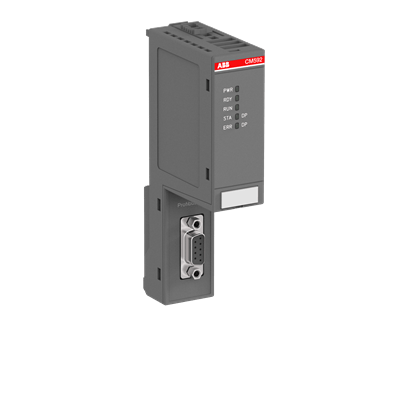 ABB 3ABD00029569 Communication Module CM574-RS $980.00Add to cart
-
ABB 3ABD00038877 Communication Module CM592-DP $1,080.00Add to cart
-
ABB 3ABD00038891 Communication Module CM582-DP $980.00Add to cart
- ABB 3ASC25H705Read more
- ABB 3BSE008510R1 PLC Digital Output Isolated Module DO810 $730.00Add to cart
- ABB 3BSE008514R1 Digital Output Relay Module DO820 $600.00Add to cart
- ABB 3BSE008516R1 Analog Input Output Termination Module AI810 $780.00Add to cart
- ABB 3BSE008544R1 Analog Input Termination Isolated Module AI820 $1,085.00Add to cart
- ABB 3BSE013210R1 Digital Input Isolated Termination Module DI830 $1,080.00Add to cart
- ABB 3BSE013230R1 Compact Termination Module MTU TU810V1 $220.00Add to cart
- ABB 3BSE020514R1 Analog Input Output Module AO801 $750.00Add to cart
- ABB 3BSE022366R1 Communication Interface Digital I/O Module CI801 $898.00Add to cart
- ABB 3BSE028926R1 Incremental Pulse Counter Module DP840 $3,340.00Add to cart
- ABB 3BSE052604R1 PLC Analog Input Module AI815 $1,800.00Add to cart
- ABB 3BUS208728-001Read more
- ABB 3BUS208728-002Read more
- ABB 3BUS208802-001Read more
- ABB 3BUS210755-001Read more
- ABB 3BUS212310-001Read more
- ABB 3BUS212310-002Read more
- ABB 5SHY 3545L0003Read more
- ABB 5STP18F1800Read more
- ABB 6008BZ10000ERead more
- ABB 6009BZ10000KRead more
- ABB 6009BZ10000PRead more
- ABB 6011BZ10001CRead more
- ABB 6026BZ10300GRead more
- ABB 6100BZ10010BRead more
- ABB 6101BZ10010ARead more
- ABB 6204BZ10100DRead more
- ABB 6205BZ10000GRead more
- ABB 6214BZ10120CRead more
- ABB 6214BZ10121GRead more
- ABB 70AA02B-ERead more
- ABB 70AB01C-ESRead more
- ABB 70BA01C-SRead more
- ABB 70BK03B-ESRead more
- ABB 70BT01CRead more
- ABB 70BV01C-ES HESG447260R1 Bus Traffic Director 70BV01CES $2,650.00Add to cart
- ABB 70BV05A-ESRead more
- ABB 81AA03A-ERead more
- ABB 87TS01I-ERead more
- ABB 88VU01B-ERead more
- ABB AF O4LERead more
- ABB AGPS-21CRead more
- ABB AI810Read more
- ABB AI810-EARead more
- ABB AI815Read more
- ABB AI830Read more
- ABB AI830ARead more
- ABB AI830A-EARead more
- ABB AI835Read more
- ABB AI845Read more
- ABB AI880ARead more
- ABB AI895Read more
- ABB AI930SRead more
- ABB AIBP-51Read more
- ABB AINP-01CRead more
- ABB AINT-02CRead more
- ABB AMC-DCRead more
- ABB AO810V2Read more
- ABB AO815Read more
- ABB AO820Read more
- ABB AO820-eARead more
- ABB AO845Read more
- ABB AO845ARead more
- ABB APBU-44C Channel Branching Unit Kit 64669982 APBU44C $3,280.00Add to cart
- ABB ASM810Read more
- ABB AX670Read more
- ABB B4LERead more
- ABB BB174Read more
- ABB BC810Read more
- ABB BC810K01Read more
- ABB C87-11006Read more
- ABB CI501-PNIO 1SAP220600R0001 I/O Bus-Module CI501PNIO $1,380.00Add to cart
- ABB CI522ARead more
- ABB CI546Read more
- ABB CI626V1Read more
- ABB CI627ARead more
- ABB CI801-EARead more
- ABB CI810ARead more
- ABB CI830Read more
- ABB CI840Read more
- ABB CI840ARead more
- ABB CI851K01Read more
- ABB CI853K01Read more
- ABB CI854AK01Read more
- ABB CI854AK01-eARead more
- ABB CI854K01Read more
- ABB CI858K01Read more
- ABB CI867Read more
- ABB CI868K01Read more
- ABB CI920ASRead more
- ABB CMA132Read more
- ABB CP410MRead more
- ABB CP502Read more
- ABB CP555Read more
- ABB CP800Read more
- ABB CPM810Read more
- ABB CPU86-10MHZ+S100MRead more
- ABB CTB811Read more
- ABB DAI 03Read more
- ABB DAI 04Read more
- ABB DAI01Read more
- ABB DAI05Read more
- ABB DAO01Read more
- ABB DAPC100Read more
- ABB DAPI100Read more
- ABB DAPU100Read more
- ABB DATX100Read more
- ABB DATX110Read more
- ABB DATX130Read more
- ABB DCP10Read more
- ABB DDI01Read more
- ABB DDO01Read more
- ABB DI620Read more
- ABB DI801Read more
- ABB DI803Read more
- ABB DI810Read more
- ABB DI810-EARead more
- ABB DI814Read more
- ABB DI820Read more
- ABB DI821Read more
- ABB DI840Read more
- ABB DI880Read more
- ABB DLM02Read more
- ABB DO610Read more
- ABB DO630Read more
- ABB DO801Read more
- ABB DO801-EARead more
- ABB DO802Read more
- ABB DO810-eARead more
- ABB DO821Read more
- ABB DO840Read more
- ABB DO880Read more
- ABB DO890Read more
- ABB DP820Read more
- ABB DRA02Read more
- ABB DSAI110Read more
- ABB DSAI130Read more
- ABB DSAI133Read more
- ABB DSAI133ARead more
- ABB DSAI145Read more
- ABB DSAI146Read more
- ABB DSAI155Read more
- ABB DSAI155ARead more
- ABB DSAO110Read more
- ABB DSAO130Read more
- ABB DSAV110Read more
- ABB DSAX110Read more
- ABB DSAX110ARead more
- ABB DSBB175Read more
- ABB DSBC170Read more
- ABB DSBC172Read more
- ABB DSBC173ARead more
- ABB DSBC175Read more
- ABB DSBC176Read more
- ABB DSCA114Read more
- ABB DSCA190VRead more
- ABB DSCL110ARead more
- ABB DSCS116Read more
- ABB DSCS140Read more
- ABB DSDI110ARead more
- ABB DSDI110AV1Read more
- ABB DSDI115Read more
- ABB DSDI120AV1Read more
- ABB DSDO110Read more
- ABB DSDO115Read more
- ABB DSDO115ARead more
- ABB DSDO131Read more
- ABB DSDP150Read more
- ABB DSDP170Read more
- ABB DSDX180Read more
- ABB DSDX180ARead more
- ABB DSMB-02CRead more
- ABB DSMB144Read more
- ABB DSMB175Read more
- ABB DSMB176Read more
- ABB DSMB178Read more
- ABB DSMB179Read more
- ABB DSMC112Read more
- ABB DSP P4LQRead more
- ABB DSPC155Read more
- ABB DSPC170Read more
- ABB DSPC171Read more
- ABB DSQC601Read more
- ABB DSQC633ARead more
- ABB DSQC658Read more
- ABB DSSB145Read more
- ABB DSSB146Read more
- ABB DSSR122Read more
- ABB DSSR122MRead more
- ABB DSSR170Read more
- ABB DSTA001ARead more
- ABB DSTA001BRead more
- ABB DSTA131Read more
- ABB DSTA133Read more
- ABB DSTA145Read more
- ABB DSTA156Read more
- ABB DSTA156BRead more
- ABB DSTC120Read more
- ABB DSTC121Read more
- ABB DSTC190Read more
- ABB DSTD108Read more
- ABB DSTD110ARead more
- ABB DSTD150ARead more
- ABB DSTD306Read more
- ABB DSTDW130Read more
- ABB DSTDW150Read more
- ABB DSTF620Read more
- ABB DSTX170Read more
- ABB DSTXW110Read more
- ABB DSXS001Read more
- ABB DT 370ARead more
- ABB EAE ANK31Read more
- ABB ED 1803BRead more
- ABB ED 1817Read more
- ABB ED 1822ARead more
- ABB EI803FRead more
- ABB EI813FRead more
- ABB FAU810Read more
- ABB FDIV-8CHRead more
- ABB FEN-11Read more
- ABB FEN-21Read more
- ABB FEN-31Read more
- ABB FI810FRead more
- ABB FI830FRead more
- ABB G1LARead more
- ABB G1LBRead more
- ABB G3LARead more
- ABB G3LCRead more
- ABB G3LHRead more
- ABB G3LRRead more
- ABB HC800Read more
- ABB HIER466587R0200Read more
- ABB HIER466587R0250Read more
- ABB HS840Read more
- ABB ICSE08B5Read more
- ABB ICSK20F1Read more
- ABB IEMMU01Read more
- ABB IEMMU21Read more
- ABB IOD86-TRRead more
- ABB IOD86+MEMRead more
- ABB KUC711AE101Read more
- ABB LD MUI-01Read more
- ABB LD SYN-101Read more
- ABB MB510Read more
- ABB MFS3N-230VRead more
- ABB MPM810Read more
- ABB MPRC086444-005Read more
- ABB NAIO-02Read more
- ABB NAMC-03CRead more
- ABB NAMC-51CRead more
- ABB NCAN-02CRead more
- ABB NCHM-21Read more
- ABB NCSA-01Read more
- ABB NDBU-95Read more
- ABB NDBU-95C 3AFE64008366 DDCS Branching Unit NDBU95C $1,840.00Add to cart
- ABB NDCU-51Read more
- ABB NDCU-51CRead more
- ABB NDPA-02Read more
- ABB NGPS-13CRead more
- ABB NMBA-01Read more
- ABB NMTU-21CRead more
- ABB NPCT-01Read more
- ABB NPCT-01CRead more
- ABB NTAI02Read more
- ABB NTAI03Read more
- ABB NTAI06Read more
- ABB NTAM01Read more
- ABB NTCS04Read more
- ABB NTDI01Read more
- ABB NTMF01Read more
- ABB NTMP01Read more
- ABB NTRO02-ARead more
- ABB P-HA-RPS-PEP21013Read more
- ABB P-HB-IOR-8000N200Read more
- ABB P4LSRead more
- ABB P7LCRead more
- ABB PDD163A02 3BHE013854R0002Read more
- ABB PDP800Read more
- ABB PFBI161Read more
- ABB PFBK164Read more
- ABB PFBK165Read more
- ABB PFEA111-20Read more
- ABB PFEA111-65Read more
- ABB PFSK102Read more
- ABB PFVI 401Read more
- ABB PFVK104Read more
- ABB PFXA 401Read more
- ABB PHARPS32010000Read more
- ABB PHARPS32200000Read more
- ABB PHARPSCH100000Read more
- ABB PHARPSFAN03000Read more
- ABB PL810Read more
- ABB PM151Read more
- ABB PM152Read more
- ABB PM153Read more
- ABB PM154Read more
- ABB PM510V16Read more
- ABB PM511V08Read more
- ABB PM590-ETHRead more
- ABB PM632Read more
- ABB PM633Read more
- ABB PM802FRead more
- ABB PM803FRead more
- ABB PM825Read more
- ABB PM851K01Read more
- ABB PM856K01Read more
- ABB PM858K01Read more
- ABB PM860K01Read more
- ABB PM861AK01Read more
- ABB PM861AK02Read more
- ABB PM864AK01Read more
- ABB PM865K01Read more
- ABB PM866AK01Read more
- ABB PM866K01Read more
- ABB PM866K02Read more
- ABB PSM0004Read more
- ABB PSM0904Read more
- ABB PU515ARead more
- ABB PU516Read more
- ABB PXAH 401Read more
- ABB QHFT200FRead more
- ABB QHFT201Read more
- ABB QHMV306Read more
- ABB QT715A-ERead more
- ABB R100.30-ZSRead more
- ABB RAPI-01CRead more
- ABB RB520Read more
- ABB RDCU-12CRead more
- ABB REP3BSE008522R1 Analog Output Module AO810 $1,480.00Add to cart
- ABB RF615Read more
- ABB RFO800Read more
- ABB RLDA103Read more
- ABB RLM01Read more
- ABB RMBA-01Read more
- ABB RTAC-01Read more
- ABB SA610Read more
- ABB SA801FRead more
- ABB SA811FRead more
- ABB SAFT 110 POWRead more
- ABB SAFT 125 CHCRead more
- ABB SAFT 136 CTSRead more
- ABB SAFT 138 CHSRead more
- ABB SAFT 160F 380Read more
- ABB SAFT 169 PACRead more
- ABB SAFT 170 PACRead more
- ABB SAFT 171 PACRead more
- ABB SAFT 181 INFRead more
- ABB SAFT 185 TBCRead more
- ABB SAFT 187 CONRead more
- ABB SAFT 189 TSIRead more
- ABB SAFT 190 APCRead more
- ABB SAFT 192 POWRead more
- ABB SAMC 11 POWRead more
- ABB SAMC 19 INFRead more
- ABB SB171Read more
- ABB SB822Read more
- ABB SC510Read more
- ABB SC560Read more
- ABB SD802FRead more
- ABB SD812FRead more
- ABB SD822Read more
- ABB SD822ZRead more
- ABB SD823Read more
- ABB SD834Read more
- ABB SDCS-AMC-DC-2Read more
- ABB SDCS-COM-1Read more
- ABB SDCS-CON-1Read more
- ABB SDCS-CON-2Read more
- ABB SDCS-CON-4Read more
- ABB SDCS-IOB-23Read more
- ABB SDCS-IOE-1Read more
- ABB SDCS-IOE-2Read more
- ABB SDCS-IOE-2CRead more
- ABB SDCS-PIN-41ARead more
- ABB SDCS-PIN-48-SDRead more
- ABB SDCS-REB-1Read more
- ABB SIM810Read more
- ABB SM811K01Read more
- ABB SNAT7640Read more
- ABB SPBLK01Read more
- ABB SPGU240A1Read more
- ABB SPHSS03Read more
- ABB SPHSS13Read more
- ABB SPSED01Read more

Leave a Reply