Understanding Real-World Applications of IIoT Across Industries in Factory Automation & Process Control
Business Benefits and Return on Investment (ROI), Building an IIoT Implementation Roadmap and Common IIoT Implementation Challenges
 Explore Automation Solutions
Shop Process Control Equipment
Part 4: Industrial Internet of Things (IIoT) Guide: Complete 2026 Handbook
Real-World Applications of IIoT Across Industries
One of the greatest strengths of the Industrial Internet of Things is its versatility. Although IIoT is often associated with manufacturing, its applications extend far beyond factory floors. Today, organizations across nearly every industrial sector leverage connected devices, intelligent analytics, and real-time monitoring to improve operational performance, enhance safety, and reduce costs.
Regardless of the industry, the underlying objective remains the same: transform operational data into actionable insights that support better business decisions.
Manufacturing
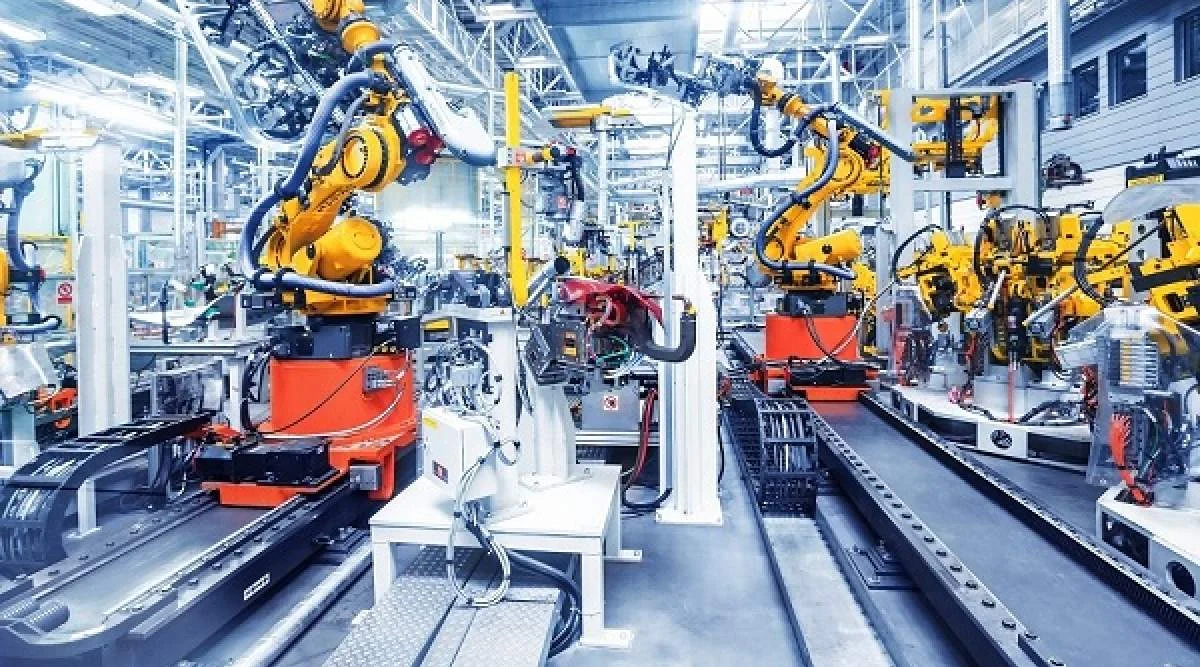
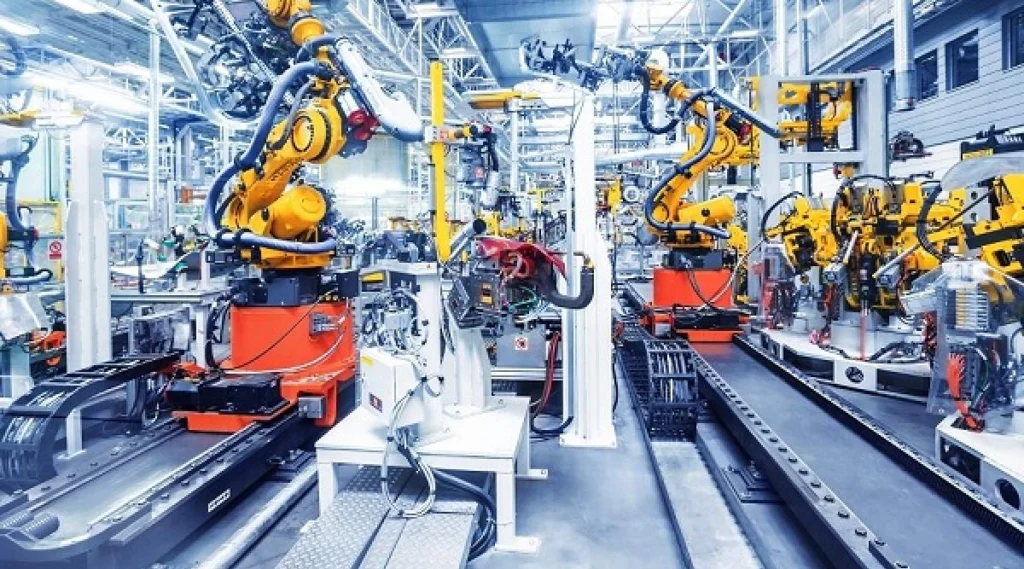
Manufacturing has become the largest adopter of Industrial IoT technologies. Modern factories generate vast amounts of operational data from production lines, robotic workcells, conveyor systems, CNC machines, packaging equipment, and quality inspection systems. IIoT connects these assets into a unified ecosystem, allowing manufacturers to monitor production in real time while optimizing every stage of the manufacturing process. Common manufacturing applications include:
- Predictive maintenance
- Production monitoring
- Overall Equipment Effectiveness (OEE) tracking
- Energy management
- Automated quality inspection
- Inventory optimization
- Machine utilization analysis
- Production scheduling
For example, an automotive manufacturer can monitor thousands of robotic welding operations simultaneously. If a robot begins consuming more electrical current than expected, maintenance teams receive an alert long before production quality is affected. Similarly, food and beverage manufacturers can continuously monitor temperature, humidity, and sanitation conditions to ensure compliance with food safety regulations.
Oil and Gas
Oil and gas facilities operate in some of the world’s harshest environments. Equipment failures can result in expensive downtime, environmental damage, or serious safety incidents. Industrial IoT helps operators monitor critical assets remotely while reducing the need for manual inspections. Typical IIoT applications include:
- Pipeline monitoring
- Wellhead monitoring
- Pump condition monitoring
- Compressor diagnostics
- Leak detection
- Tank level monitoring
- Corrosion monitoring
- Remote asset management
Remote sensors installed along pipelines continuously transmit pressure and flow data. If abnormal pressure changes occur, operators receive immediate alerts, allowing them to investigate potential leaks before they become major incidents.
Chemical and Petrochemical Processing
Chemical manufacturing depends on maintaining precise operating conditions. Small variations in pressure, temperature, or chemical composition can significantly affect product quality and plant safety. IIoT enables continuous monitoring of:
- Reactor temperatures
- Flow rates
- Tank levels
- Heat exchanger performance
- Chemical concentrations
- Utility consumption
Advanced analytics also identify opportunities to improve process efficiency while reducing energy usage and raw material waste.
Power Generation
Electric utilities increasingly rely on Industrial IoT to improve grid reliability and optimize power generation. Connected monitoring systems provide real-time visibility into:
- Steam turbines
- Gas turbines
- Wind turbines
- Hydroelectric generators
- Solar farms
- Electrical substations
- Transmission equipment
Instead of relying solely on periodic inspections, utilities continuously monitor equipment health. Predictive maintenance reduces unexpected outages while extending equipment life. Renewable energy facilities also benefit from IIoT by optimizing power generation based on changing weather conditions.
Water and Wastewater Treatment
Municipal water systems must operate continuously while meeting strict environmental regulations. Industrial IoT simplifies system management by monitoring:
- Pump stations
- Reservoir levels
- Water quality
- Chemical dosing
- Distribution pressure
- Wastewater treatment processes
Operators receive immediate notifications whenever operating conditions fall outside acceptable limits. Remote monitoring also reduces travel time for maintenance personnel by allowing engineers to diagnose problems before visiting remote facilities.
Pharmaceutical Manufacturing
Pharmaceutical production requires exceptional precision and regulatory compliance. IIoT technologies support:
- Environmental monitoring
- Batch traceability
- Equipment validation
- Temperature-controlled storage
- Cleanroom monitoring
- Regulatory documentation
Because pharmaceutical products often require detailed production records, automated data collection significantly improves compliance while reducing manual documentation.
Cement, Mining and Metals
Mining companies operate heavy equipment across large geographic areas. Industrial IoT helps monitor:
- Haul trucks
- Crushers
- Conveyor systems
- Ventilation systems
- Ore processing equipment
- Fuel consumption
Real-time equipment monitoring improves fleet utilization while reducing unexpected breakdowns. Worker safety also improves through wearable monitoring devices capable of detecting hazardous environmental conditions.
Warehouse and Logistics
Distribution centers increasingly depend on automation technologies. Industrial IoT supports:
- Automated storage systems
- Conveyor monitoring
- Autonomous mobile robots (AMRs)
- Fleet management
- Cold-chain monitoring
- Inventory tracking
Real-time visibility improves order accuracy while reducing shipping delays.
Industrial IoT applications span manufacturing, energy, utilities, logistics, pharmaceuticals, and process industries, enabling real-time monitoring and intelligent decision-making across diverse industrial environments.Business Benefits and Return on Investment (ROI)
While IIoT introduces new technologies, organizations ultimately invest in Industrial IoT because it delivers measurable business value. When implemented strategically, IIoT provides returns that extend well beyond equipment monitoring.
Reduced Downtime
Unplanned downtime remains one of the largest expenses in industrial operations. Every hour of unexpected equipment failure may result in:
- Lost production
- Missed customer deliveries
- Emergency maintenance costs
- Product waste
- Overtime labor
Predictive maintenance significantly reduces these costly interruptions by identifying equipment problems before failures occur.
Increased Equipment Utilization
Industrial assets represent substantial capital investments. IIoT helps manufacturers maximize equipment usage by identifying:
- Idle machinery
- Production bottlenecks
- Underutilized assets
- Maintenance inefficiencies
Higher utilization often allows companies to increase production without purchasing additional equipment.
Improved Product Quality
Continuous monitoring enables manufacturers to detect process deviations immediately. Rather than discovering quality issues after production is complete, operators can correct problems while products are still being manufactured. This reduces:
- Scrap
- Rework
- Warranty claims
- Customer complaints
Consistent product quality also strengthens customer confidence and brand reputation.
Lower Energy Consumption
Energy represents one of the largest operating expenses for many industrial facilities. IIoT platforms continuously monitor electricity, steam, compressed air, natural gas, and water usage. Analytics identify inefficient equipment and excessive energy consumption. Many organizations achieve significant utility savings simply by optimizing equipment scheduling and eliminating energy waste.
Enhanced Workplace Safety
Connected safety systems improve employee protection through:
- Gas detection
- Machine monitoring
- Wearable safety devices
- Environmental sensors
- Emergency notifications
Safer workplaces reduce incidents while improving regulatory compliance.
Faster Decision-Making
Traditional reporting often relies on historical data. Industrial IoT provides real-time operational visibility. Executives, plant managers, and engineers can make informed decisions based on current production conditions rather than yesterday’s reports.
Building an IIoT Implementation Roadmap
Successful Industrial IoT projects rarely begin by connecting every machine in a factory. Instead, organizations typically follow a structured implementation strategy that minimizes risk while demonstrating measurable business value.
Step 1: Define Business Objectives
Every successful IIoT initiative begins with clear business goals. Common objectives include:
- Reducing downtime
- Increasing production capacity
- Lowering maintenance costs
- Improving product quality
- Reducing energy consumption
- Increasing equipment availability
Technology should always support business outcomes—not the other way around.
Step 2: Assess Existing Infrastructure
Before investing in new technology, organizations should evaluate existing automation assets. Questions to consider include:
- Which PLC platforms are already installed?
- What communication protocols are available?
- Which assets generate the highest maintenance costs?
- What operational data already exists?
- Which systems require upgrades?
A comprehensive asset assessment prevents unnecessary equipment replacement.
Step 3: Start with a Pilot Project
Rather than deploying IIoT across an entire facility, begin with a focused pilot. Examples include:
- Monitoring one production line
- Tracking compressor health
- Implementing predictive maintenance for critical pumps
- Monitoring energy consumption in a single department
Pilot projects allow organizations to demonstrate value before expanding their investment.
Step 4: Scale Gradually
Once the pilot delivers measurable results, organizations can extend IIoT capabilities across additional assets, production lines, and facilities. A phased rollout minimizes operational disruption while allowing teams to build internal expertise.
Common IIoT Implementation Challenges
Despite its benefits, Industrial IoT implementation is not without challenges. Understanding these obstacles helps organizations prepare more effectively.
Legacy Equipment Integration
Many industrial facilities operate equipment that predates modern networking standards. Fortunately, industrial gateways and protocol converters often enable legacy equipment to participate in IIoT environments without complete replacement.
Cybersecurity Risks
As discussed earlier, increased connectivity expands the potential attack surface. Organizations should implement cybersecurity best practices from the earliest planning stages rather than treating security as an afterthought.
Data Overload
Connecting thousands of sensors generates enormous volumes of information. Without proper analytics, organizations risk collecting more data than they can effectively use. Focus on collecting data that supports measurable business decisions.
Workforce Skills
Digital transformation requires new technical skills. Engineers, maintenance personnel, operators, and IT professionals must collaborate more closely than ever before. Investing in employee training is often just as important as investing in technology.
Change Management
Technology adoption succeeds when people embrace new ways of working. Clear communication, executive support, and employee involvement help ensure successful IIoT implementation.
Emerging Trends Shaping the Future of IIoT
Industrial IoT continues to evolve rapidly. Several emerging technologies will further transform industrial operations over the coming decade.
Private 5G Networks
Private 5G delivers ultra-low latency, improved reliability, and greater wireless capacity for industrial environments, making it ideal for mobile robots, autonomous vehicles, and real-time machine communication.
Generative Artificial Intelligence
Generative AI is beginning to assist engineers by analyzing maintenance records, explaining equipment alarms, generating troubleshooting procedures, and supporting faster decision-making through natural language interfaces.
Autonomous Manufacturing
Factories are steadily moving toward greater autonomy, where robots, AI, and IIoT systems coordinate production with minimal human intervention while continuously optimizing performance.
Sustainability and Energy Optimization
As organizations pursue environmental goals, IIoT is becoming an essential tool for monitoring energy consumption, reducing emissions, minimizing waste, and supporting predictive resource management.
Recommended Related Articles
- Industrial Automation Fundamentals
- Industrial Communication Protocols
- Industrial Instrumentation Control
- Industrial Networking & IIoT
- Industrial Sensors & Measurement
- Motion and Process Control
- PLC Programming & Controllers
- SCADA and DCS Systems
- Servo Motors and Motor Drives
Your One-Stop Source for Reliable Automation & Process Control Equipment
Access trusted process control equipment, expert support, and fast sourcing—all in one place.
-
AC Drives 18,169 Products
-
Circuit Breakers2,227 Products
-
Contactors567 Products
-
Control Valve238 Products
-

Counters78 Products
-

Encoder117 Products
-
Fanuc Main Board1,376 Products
-
Flow Transmitter (Flow meter)552 Products
-
HMI/Touch Screen594 Products
-
Industrial Device Servers125 Products
-
Inverter914 Products
-

Network/Signal2 Products
-

Others4,501 Products
-
Power Supply220 Products
-
Pressure Transmitter146 Products
-
Programmable Logic Controller (PLC)6,295 Products
-
Relay927 Products
-
Sensor2,221 Products
-
Servo Motors & Motor Drives5,037 Products
-
Switch897 Products
-

Timer93 Products
-

Uncategorized1,154 Products
-
Variable Frequency Drives (VFD)255 Products
-
Yokogawa Remote Indicators16 Products
Leave a Reply