IIoT Cybersecurity Best Practices for Industrial Networks: A Complete Guide to Securing Connected Industrial Systems
The Industrial Internet of Things (IIoT) has transformed how manufacturers, utilities, and process industries operate. By connecting sensors, programmable logic controllers (PLCs), industrial robots, SCADA systems, and cloud platforms, organizations can collect real-time data, improve operational efficiency, reduce downtime, and make better business decisions.
However, greater connectivity also expands the cyberattack surface. Industrial control systems (ICS) that were once isolated are now linked to enterprise networks, remote operators, suppliers, and cloud applications. While this connectivity delivers tremendous business value, it also creates new cybersecurity risks that traditional IT security strategies alone cannot address.
Cyberattacks targeting industrial environments have become more sophisticated and more frequent. Threat actors now target manufacturing plants, power generation facilities, water treatment plants, pharmaceutical manufacturers, and oil and gas operations because disrupting these environments can have significant financial and operational consequences.
This guide explores the most effective IIoT cybersecurity best practices for industrial networks, helping organizations protect critical infrastructure, maintain operational continuity, and reduce cybersecurity risks without compromising productivity.
Understanding IIoT Cybersecurity
Industrial Internet of Things (IIoT) cybersecurity refers to the technologies, processes, and security controls used to protect connected industrial devices, communication networks, operational technology (OT), and industrial control systems from cyber threats.
Unlike traditional IT environments, industrial systems control physical equipment. A successful cyberattack can therefore affect much more than data—it can disrupt production, damage machinery, compromise worker safety, or interrupt critical infrastructure.
Industrial cybersecurity focuses on protecting assets such as:
-
Programmable Logic Controllers (PLCs)
-
Remote Terminal Units (RTUs)
-
Human-Machine Interfaces (HMIs)
-
SCADA systems
-
Distributed Control Systems (DCS)
-
Industrial sensors
-
Variable Frequency Drives (VFDs)
-
Industrial Ethernet switches
-
Wireless IIoT gateways
-
Edge computing devices
A modern cybersecurity strategy must protect every layer of the industrial automation architecture, from field devices to cloud analytics platforms.
Why IIoT Security Is More Challenging Than Traditional IT Security
Industrial environments differ significantly from corporate IT networks. Office computers can often be patched or rebooted during maintenance windows. Production equipment, however, may operate continuously for months without interruption. Taking a PLC or SCADA server offline for updates may halt production and result in substantial financial losses.
Industrial networks also contain equipment from multiple vendors that may remain in service for decades. Many legacy devices were designed before cybersecurity became a major concern and therefore lack modern security features such as encryption or authentication.
Additional challenges include:
-
Legacy equipment with limited security capabilities
-
Real-time operational requirements
-
Continuous production schedules
-
Remote maintenance requirements
-
Multiple communication protocols
-
Increasing cloud connectivity
-
Third-party vendor access
These challenges require a cybersecurity strategy specifically designed for Operational Technology (OT) environments.
Common Cybersecurity Threats Facing Industrial Networks
Malware and Ransomware
Ransomware remains one of the most damaging threats to industrial organizations. Attackers encrypt operational data or disable production systems until a ransom is paid. Even when backups exist, restoring industrial operations may take days or weeks. Manufacturing companies are among the most frequently targeted industries because production downtime directly affects revenue.
Unauthorized Remote Access
Remote maintenance has become increasingly common, especially for geographically distributed facilities. Without proper security controls, remote access solutions can become entry points for attackers. Poor password management, exposed Remote Desktop Protocol (RDP) services, and unsecured VPN connections remain common vulnerabilities.
Insider Threats
Not every cyber incident originates outside the organization. Employees, contractors, and vendors with legitimate access may accidentally—or intentionally—compromise industrial systems through:
-
Weak passwords
-
Misconfigured devices
-
Unauthorized USB drives
-
Unsafe software installations
-
Privilege misuse
Strong identity management significantly reduces these risks.
Supply Chain Attacks
Industrial organizations depend on numerous software vendors, automation suppliers, and service providers. Compromised software updates or third-party vendors may introduce malware into trusted environments, making supply chain security an increasingly important component of cybersecurity planning.
Distributed Denial-of-Service (DDoS) Attacks
Although less common in isolated OT environments, DDoS attacks can overwhelm industrial communication infrastructure, disrupting remote monitoring and production management systems.
Best Practices for Securing IIoT Industrial Networks
Protecting industrial environments requires a layered security approach known as defense in depth. Rather than relying on a single security control, multiple protective measures work together to reduce overall risk.
Conduct a Comprehensive Asset Inventory
You cannot secure devices you do not know exist.
Begin by identifying every connected asset within the industrial environment, including:
-
PLCs
-
HMIs
-
SCADA servers
-
Engineering workstations
-
Industrial switches
-
Wireless gateways
-
Sensors
-
Cameras
-
Edge devices
Document:
-
Device model
-
Firmware version
-
IP address
-
Network location
-
Criticality
-
Vendor support status
An accurate asset inventory forms the foundation of every cybersecurity program.
Segment Industrial Networks
Network segmentation is one of the most effective cybersecurity controls available. Instead of allowing every device to communicate freely, divide networks into separate security zones.
Typical segmentation includes:
-
Enterprise IT network
-
DMZ
-
Operations network
-
PLC network
-
Safety systems
-
Remote access network
Firewalls should control communication between these zones while allowing only approved traffic. Segmentation limits the spread of malware and prevents attackers from moving laterally across industrial systems.
Apply the Principle of Least Privilege
Every user should receive only the minimum permissions required to perform their responsibilities. Avoid shared administrator accounts.
Instead:
-
Create unique user accounts.
-
Assign role-based permissions.
-
Remove unused accounts immediately.
-
Review privileges regularly.
Limiting access significantly reduces the impact of compromised credentials.
Enable Multi-Factor Authentication (MFA)
Passwords alone are no longer sufficient.
Implement multi-factor authentication for:
-
VPN connections
-
Cloud dashboards
-
Engineering workstations
-
Remote maintenance systems
-
Administrative accounts
Even if passwords are stolen, MFA greatly reduces unauthorized access.
Keep Software and Firmware Updated
Outdated software remains one of the most common attack vectors.
Establish a structured patch management program that includes:
-
Vendor vulnerability monitoring
-
Firmware testing
-
Scheduled maintenance windows
-
Emergency patch procedures
-
Rollback plans
Because industrial environments cannot always tolerate immediate updates, patches should first be validated in a test environment whenever possible.
Secure Remote Access
Remote maintenance improves operational efficiency but also introduces risk.
Best practices include:
-
VPN-only remote access
-
MFA
-
Session logging
-
Time-limited access
-
Vendor approval workflows
-
Network segmentation
-
Continuous monitoring
Never expose PLCs or SCADA servers directly to the public internet.
Encrypt Industrial Communications
Where supported, encrypt communications between devices. Encryption protects sensitive operational data from interception.
Common technologies include:
-
TLS
-
HTTPS
-
Secure VPN tunnels
-
Secure OPC UA communications
While some legacy protocols lack encryption, secure gateways can often compensate.
Monitor Industrial Networks Continuously
Continuous monitoring allows organizations to detect suspicious activity before it disrupts operations.
Monitor for:
-
Unauthorized devices
-
Configuration changes
-
Failed login attempts
-
Network scanning
-
Unexpected PLC programming
-
Abnormal traffic patterns
Modern Industrial Intrusion Detection Systems (IDS) provide visibility into operational networks without disrupting production.
Perform Regular Vulnerability Assessments
Industrial systems should undergo scheduled security assessments.
These assessments identify:
-
Weak passwords
-
Outdated firmware
-
Misconfigured firewalls
-
Open network ports
-
Unsupported operating systems
Unlike traditional penetration testing, assessments in operational environments must be carefully planned to avoid affecting production.
Develop an Incident Response Plan
Every organization should prepare for cyber incidents before they occur.
A comprehensive incident response plan should define:
-
Roles and responsibilities
-
Communication procedures
-
Isolation steps
-
Recovery processes
-
Backup restoration
-
Regulatory reporting
-
Post-incident review
Regular tabletop exercises help validate these procedures.
Industrial Cybersecurity Frameworks and Standards
Organizations should align cybersecurity programs with internationally recognized standards.
Common frameworks include:
-
IEC 62443 for industrial automation and control systems
-
NIST Cybersecurity Framework (CSF)
-
NIST SP 800-82 Guide to Industrial Control Systems Security
-
ISO/IEC 27001 Information Security Management Systems
-
ISA security standards for industrial environments
Following recognized frameworks provides a structured approach to risk management and often supports regulatory compliance.
Building a Cybersecurity Culture
Technology alone cannot eliminate cybersecurity risk. Employees remain one of the strongest—and sometimes weakest—security controls.
Organizations should provide ongoing cybersecurity awareness training covering:
-
Phishing attacks
-
Password security
-
USB device policies
-
Social engineering
-
Remote access procedures
-
Incident reporting
Engineers, operators, maintenance personnel, and IT teams should all understand their role in protecting industrial systems.
Emerging Trends in IIoT Cybersecurity
Industrial cybersecurity continues to evolve alongside digital transformation. Key trends include:
Artificial Intelligence for Threat Detection
AI-powered monitoring systems can identify abnormal industrial behavior far faster than manual analysis.
Zero Trust Architecture
Rather than automatically trusting users inside the network, Zero Trust verifies every device, user, and connection continuously.
Secure Edge Computing
As more analytics move closer to industrial equipment, edge devices require stronger security controls and centralized management.
Digital Twins for Security Testing
Digital twins allow organizations to simulate cyber incidents and validate security strategies without affecting production.
Cloud-Native Industrial Security
Cloud-based monitoring platforms increasingly provide centralized visibility across multiple manufacturing facilities while maintaining strong encryption and identity management.
- Industrial Automation Fundamentals
- Industrial Communication Protocols
- Industrial Instrumentation Control
- Industrial Sensors & Measurement
- Motion and Process Control
- PLC Programming & Controllers
- SCADA and DCS Systems
- Servo Motors and Motor Drives
Frequently Asked Questions
What is IIoT cybersecurity?
IIoT cybersecurity is the practice of protecting connected industrial devices, operational technology (OT), industrial control systems, communication networks, and cloud-connected manufacturing environments from cyber threats.
Why is cybersecurity important in industrial networks?
Industrial cyberattacks can disrupt production, damage equipment, compromise worker safety, and result in significant financial losses. Effective cybersecurity helps maintain reliable and safe industrial operations.
What is the difference between IT security and OT security?
IT security primarily protects business data, applications, and information systems, while OT security focuses on safeguarding industrial equipment, control systems, and physical processes that support manufacturing and critical infrastructure.
What are the biggest cybersecurity threats to IIoT?
Common threats include ransomware, phishing attacks, insider threats, supply chain compromises, unauthorized remote access, malware, and exploitation of unpatched industrial devices.
How does network segmentation improve industrial cybersecurity?
Network segmentation divides industrial environments into separate security zones, limiting communication between systems. This approach helps contain cyber incidents, reduces lateral movement by attackers, and protects critical production assets.
Which cybersecurity framework is recommended for industrial automation?
Many organizations adopt IEC 62443 as the primary standard for industrial automation and control systems. It is often complemented by the NIST Cybersecurity Framework and NIST SP 800-82 for comprehensive cybersecurity governance.
Can legacy industrial equipment be secured?
Yes. While many legacy devices lack built-in security features, organizations can improve protection by implementing network segmentation, industrial firewalls, secure remote access, continuous monitoring, and compensating security controls.
The Industrial Internet of Things has unlocked unprecedented opportunities for manufacturers to improve efficiency, productivity, and operational visibility. However, every connected device also introduces potential cybersecurity risks that must be managed proactively.
Effective IIoT cybersecurity is not achieved through a single product or technology. It requires a comprehensive, defense-in-depth strategy that combines asset visibility, network segmentation, identity management, secure remote access, continuous monitoring, timely patch management, and employee awareness.
Organizations that integrate cybersecurity into every stage of their industrial automation strategy are better positioned to protect critical infrastructure, maintain production continuity, and build resilient operations in an increasingly connected world. As IIoT adoption accelerates, cybersecurity should be viewed not merely as a technical requirement but as a strategic investment in operational reliability, safety, and long-term business success.
Check Our Comprehensive Automation Brands Get Latest Industrial Automation NewsYour One-Stop Source for Reliable Automation & Process Control Equipment
Access trusted process control equipment, expert support, and fast sourcing—all in one place.
-
AC Drives 18,169 Products
-
Circuit Breakers2,227 Products
-
Contactors567 Products
-
Control Valve238 Products
-

Counters78 Products
-

Encoder117 Products
-
Fanuc Main Board1,376 Products
-
Flow Transmitter (Flow meter)552 Products
-
HMI/Touch Screen594 Products
-
Industrial Device Servers125 Products
-
Inverter914 Products
-

Network/Signal2 Products
-

Others4,501 Products
-
Power Supply220 Products
-
Pressure Transmitter146 Products
-
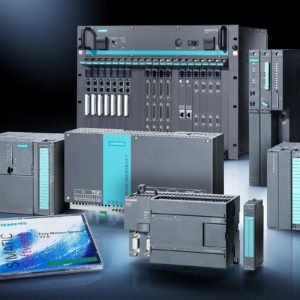
Programmable Logic Controller (PLC)6,295 Products
-
Relay927 Products
-
Sensor2,221 Products
-
Servo Motors & Motor Drives5,037 Products
-
Switch897 Products
-

Timer93 Products
-

Uncategorized1,154 Products
-
Variable Frequency Drives (VFD)255 Products
-
Yokogawa Remote Indicators16 Products
Leave a Reply