
Understanding How to Choose the Right Industrial Transmitter Practical Guide in Industrial Automation System
How do I choose between a pressure transmitter and differential pressure transmitter?, What factors should I consider when selecting an industrial transmitter? and How often should industrial transmitters be calibrated?
 Explore Automation Solutions
Shop Process Control Equipment
How to Choose the Right Industrial Transmitter: A Practical Guide for Engineers and Industrial Professionals
Industrial transmitters are among the most important measurement devices used in modern process industries. They provide the critical data required to monitor, control, and optimize industrial operations across manufacturing plants, refineries, power facilities, water treatment systems, and countless other applications.
However, selecting the right industrial transmitter is not always straightforward. With hundreds of transmitter models available from manufacturers such as ABB, Siemens, Emerson, Yokogawa, Honeywell, Endress+Hauser, and others, engineers must consider many factors beyond simply selecting a device that measures pressure, temperature, flow, or level.
The wrong transmitter selection can lead to inaccurate measurements, unnecessary maintenance, production downtime, safety risks, and increased operating costs. On the other hand, the right transmitter can improve process efficiency, enhance equipment reliability, and provide accurate data for better decision-making.
This practical guide explains how to choose the right industrial transmitter by examining key selection criteria, including measurement requirements, process conditions, communication protocols, accuracy, installation considerations, industry standards, and long-term maintenance needs.
Whether you are replacing an existing instrument, designing a new automation system, or improving an industrial process, understanding transmitter selection fundamentals will help you make a more informed engineering decision.
Understanding Industrial Transmitters and Their Role in Process Automation
Industrial transmitters are electronic measurement devices that convert physical process variables into standardized electrical signals that control systems can interpret.
Unlike simple sensors that only detect a measurement, transmitters process the signal and transmit reliable data over industrial communication networks to control systems such as PLCs, Distributed Control Systems (DCS), and Supervisory Control and Data Acquisition (SCADA) platforms.
In industrial environments, transmitters serve as the connection point between the physical process and the automation system.
For example, a pressure transmitter installed on a pipeline continuously measures process pressure and sends the information to a PLC or DCS. The control system then uses that information to regulate pumps, valves, or other equipment automatically.
Modern industrial transmitters provide much more than basic measurement. Advanced smart transmitters can offer:
Digital communication capabilities
Remote configuration
Self-diagnostics
Predictive maintenance information
Improved measurement accuracy
Historical process data
These capabilities make transmitters essential components of modern industrial automation and Industry 4.0 environments.
For additional information about automation systems and control technologies, see:
Related resource:
Industrial Automation Systems Guide
Industrial Automation Architecture Guide
The Main Types of Industrial Transmitters
Before choosing a transmitter, it is important to understand the different types available and their applications. Industrial transmitters are generally categorized based on the process variable they measure.
Pressure Transmitters
Pressure transmitters are among the most widely used instruments in industrial facilities. They measure the pressure of liquids, gases, and steam and convert the measurement into an electrical output signal.
Common applications include:
Pipeline monitoring
Hydraulic systems
Boiler systems
Chemical processing equipment
Oil and gas production
Pressure transmitters are available in different configurations, including:
Gauge pressure transmitters
Absolute pressure transmitters
Differential pressure transmitters
A differential pressure transmitter measures the difference between two pressure points. These devices are commonly used for:
Flow measurement
Filter monitoring
Tank level measurement
When selecting a pressure transmitter, engineers should consider:
Pressure range
Process temperature
Chemical compatibility
Accuracy requirements
Connection type
For example, a transmitter used in a chemical processing environment may require corrosion-resistant materials and specialized seals, while a standard industrial application may not require the same level of protection.
Temperature Transmitters
Temperature transmitters measure temperature and convert signals from temperature sensors such as RTDs and thermocouples into standardized outputs.
They are commonly used in:
Manufacturing processes
Food and beverage systems
Pharmaceutical production
Power generation
HVAC systems
A temperature transmitter improves measurement reliability because it conditions the sensor signal and compensates for factors such as electrical noise and long cable distances.
When selecting a temperature transmitter, consider:
Sensor compatibility
Measurement range
Accuracy requirements
Environmental conditions
Communication requirements
For example, a pharmaceutical application may require extremely precise temperature monitoring, while a general industrial application may tolerate a wider measurement range.
Flow Transmitters
Flow transmitters measure the movement of liquids, gases, or steam through pipelines.
Accurate flow measurement is essential for:
Process control
Energy management
Production monitoring
Inventory management
Common flow measurement technologies include:
Differential pressure flow measurement
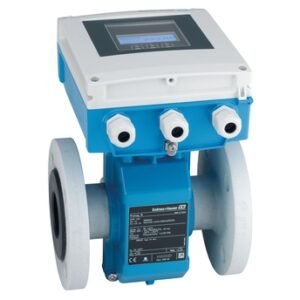
Magnetic flow meters
Coriolis flow meters
Ultrasonic flow meters
Vortex flow meters
Each technology has advantages depending on the application.
For example:
Magnetic flow meters work well with conductive liquids.
Coriolis meters provide highly accurate mass flow measurement.
Differential pressure transmitters remain popular because of their reliability and versatility.
Choosing the correct flow transmitter requires understanding the process fluid characteristics, including viscosity, temperature, pressure, and chemical composition.
Level Transmitters
Level transmitters measure the amount of liquid or solid material inside tanks, vessels, and processing equipment.
They are widely used in:
Chemical storage tanks
Water treatment plants
Food processing facilities
Oil storage systems
Common level measurement technologies include:
Radar level transmitters
Ultrasonic level transmitters
Differential pressure level measurement
Guided wave radar
The correct selection depends on factors such as:
Tank design
Material properties
Foam presence
Temperature
Pressure conditions
For example, radar level transmitters are often preferred for challenging applications because they can measure accurately without direct contact with the process material.
Step-by-Step Process for Selecting the Right Industrial Transmitter
Choosing the right transmitter requires a systematic approach. Instead of focusing only on the transmitter specifications, engineers should evaluate the complete process environment.
Step 1: Identify the Measurement Requirement
The first step is determining exactly what needs to be measured.
Ask:
What process variable needs monitoring?
Is the measurement pressure, temperature, flow, or level?
Is the measurement used for control, monitoring, safety, or reporting?
A transmitter used for basic monitoring may require different specifications compared with one used in a critical control loop.
For example, a pressure transmitter used in a safety instrumented system (SIS) application requires higher reliability and certification compared with a standard process monitoring application.
Step 2: Understand Process Conditions
Process conditions are one of the most important factors when selecting an industrial transmitter. Engineers should evaluate:
Process Temperature
Extreme temperatures can affect transmitter performance.
High-temperature applications may require:
Remote seals
Cooling systems
Specialized materials
Process Pressure
The transmitter range must match the expected operating pressure. Selecting a transmitter with an incorrect pressure range can reduce accuracy or damage the instrument.
Process Fluid Characteristics
The process medium significantly impacts transmitter selection.
Consider:
Corrosive chemicals
High viscosity fluids
Dirty fluids
Suspended particles
Steam applications
Materials such as stainless steel, Hastelloy, and specialized alloys may be required for aggressive environments.
Step 3: Evaluate Accuracy and Performance Requirements
Accuracy is one of the most important considerations when selecting an industrial transmitter. However, the highest accuracy transmitter is not always the best choice for every application.
The correct approach is to select a transmitter that provides the required level of accuracy while balancing cost, reliability, and operating conditions.
For example, a basic utility monitoring application may operate effectively with a standard accuracy transmitter, while a custody transfer application in the oil and gas industry may require extremely precise measurement capabilities.
When evaluating transmitter performance, consider the following specifications:
Accuracy
Repeatability
Stability
Response time
Temperature effects
Long-term drift
Understanding Transmitter Accuracy
Transmitter accuracy refers to how closely the measured value matches the actual process condition. For example, if a pressure transmitter measures a process pressure of 100 PSI and the actual pressure is 100 PSI, the transmitter has high accuracy. Manufacturers typically express accuracy as a percentage of the measurement range.
For example:
±0.1% accuracy represents a high-performance transmitter
±0.25% accuracy is common for general industrial applications
±0.5% accuracy may be acceptable for less critical processes
However, accuracy alone does not determine overall measurement quality. A transmitter operating in extreme temperatures, vibration, or corrosive environments may experience reduced performance if it is not properly selected for the application.
Consider Long-Term Stability
Industrial facilities often operate continuously for many years. Therefore, long-term stability is just as important as initial accuracy. A transmitter with excellent stability will maintain its calibration and performance over time.
Poor stability can result in:
Frequent recalibration
Increased maintenance costs
Process inefficiencies
Incorrect control decisions
Modern smart transmitters often include advanced diagnostics that monitor device performance and alert operators before measurement problems occur.
Step 4: Select the Appropriate Output Signal and Communication Protocol
The transmitter communication method determines how measurement data is transmitted to control systems.
Selecting the correct communication protocol ensures compatibility with existing automation infrastructure.
The most common industrial transmitter communication options include:
4-20 mA analog signals
HART communication
Foundation Fieldbus
Profibus
Modbus
Industrial Ethernet protocols
4-20 mA Analog Communication
The 4-20 mA signal remains one of the most widely used industrial communication methods.
In this system:
4 mA represents the minimum measurement value
20 mA represents the maximum measurement value
For example:
A pressure transmitter configured for 0-100 PSI may transmit:
4 mA = 0 PSI
20 mA = 100 PSI
The 4-20 mA standard is popular because it is:
Reliable over long distances
Resistant to electrical interference
Simple to troubleshoot
Compatible with most industrial control systems
Many facilities continue using 4-20 mA transmitters because of their proven reliability.
HART Communication
HART (Highway Addressable Remote Transducer) communication adds digital communication capabilities on top of the traditional 4-20 mA signal.
This allows technicians to access additional transmitter information, including:
Device configuration
Diagnostic information
Calibration data
Process variables
HART-enabled transmitters provide greater flexibility without requiring a complete upgrade of existing analog infrastructure.
Fieldbus and Industrial Ethernet Communication
Modern facilities increasingly use digital communication networks to improve automation performance.
Common digital protocols include:
Foundation Fieldbus
Profibus PA
Profinet
EtherNet/IP
Modbus TCP
These networks allow multiple devices to communicate with automation systems while providing additional diagnostic information. Digital communication is especially valuable in smart manufacturing environments where data collection and analytics are essential.
Step 5: Consider Environmental and Installation Conditions
Industrial environments can be extremely demanding. Heat, vibration, moisture, dust, chemicals, and pressure fluctuations can all affect transmitter performance. Therefore, environmental conditions must be considered before selecting a transmitter.
Understanding IP Ratings and Protection Requirements
The transmitter enclosure should provide appropriate protection against environmental exposure.
Common protection ratings include:
IP65 – Protection against dust and water jets
IP66 – Protection against powerful water jets
IP67 – Protection against temporary water immersion
For outdoor installations or harsh industrial environments, selecting the correct enclosure rating is essential.
Hazardous Area Requirements
Many industries operate in locations where explosive gases or combustible dust may exist.
Examples include:
Oil refineries
Chemical plants
Gas processing facilities
Pharmaceutical manufacturing areas
In these environments, transmitters may require hazardous area certifications such as:
ATEX
IECEx
Class I Division 1
Class I Division 2
These certifications ensure the transmitter can safely operate in potentially explosive environments.
Installation Location and Mounting Requirements
The physical installation location also affects transmitter performance.
Engineers should consider:
Accessibility for maintenance
Exposure to vibration
Ambient temperature
Pipe orientation
Process connection requirements
For example, installing a pressure transmitter in a location with excessive vibration may shorten equipment life and create inaccurate measurements.
Step 6: Evaluate Materials and Process Compatibility
The materials used in transmitter construction must be compatible with the process medium.
Incorrect material selection can lead to:
Corrosion
Leakage
Measurement failure
Safety hazards
Common transmitter materials include:
Stainless steel
Hastelloy
Titanium
Ceramic materials
Chemical Compatibility
When measuring aggressive chemicals, the transmitter must withstand direct contact with the process fluid.
Applications involving:
Acids
Solvents
Chlorine compounds
Chemical mixtures
may require specialized materials and protective coatings.
For example, a transmitter used in a chemical processing plant may require Hastelloy wetted parts because stainless steel may not provide sufficient corrosion resistance.
Food and Pharmaceutical Applications
Industries with strict hygiene requirements require transmitters designed for sanitary applications.
These transmitters typically include:
Hygienic process connections
Smooth surface finishes
Easy cleaning capability
FDA-compliant materials
Food and pharmaceutical facilities often require equipment that supports clean-in-place (CIP) and sterilize-in-place (SIP) processes.
Step 7: Consider Maintenance and Lifecycle Costs
Many engineers focus primarily on the purchase price of a transmitter. However, the total cost of ownership is often more important.
A lower-cost transmitter may require:
More frequent calibration
More maintenance labor
More replacement parts
More production downtime
A higher-quality transmitter may provide better long-term value through improved reliability and reduced maintenance requirements.
Smart Transmitters and Predictive Maintenance
Modern smart transmitters provide advanced diagnostic capabilities that help maintenance teams identify potential problems before failure occurs.
Benefits include:
Remote diagnostics
Condition monitoring
Calibration tracking
Fault detection
These capabilities support predictive maintenance strategies and reduce unexpected downtime.
Step 8: Match the Transmitter to Industry Application Requirements
Different industries have different measurement challenges. Selecting the right transmitter requires understanding the specific application.
Industrial Transmitters in Oil and Gas
Oil and gas facilities depend heavily on accurate measurement for safe and efficient operation.
Common applications include:
Pipeline pressure monitoring
Flow measurement
Tank level monitoring
Refinery process control
Transmitters used in these environments often require:
High-pressure ratings
Hazardous area certification
Corrosion-resistant materials
Advanced diagnostics
Industrial Transmitters in Power Generation
Power plants use transmitters throughout boilers, turbines, and cooling systems.
Typical measurements include:
Steam pressure
Feedwater flow
Temperature
Boiler level
Because power generation systems operate under extreme conditions, transmitter reliability is critical.
Industrial Transmitters in Water and Wastewater
Water treatment facilities rely on transmitters for:
Pump control
Tank level monitoring
Flow measurement
Chemical dosing systems
These applications often require transmitters that can withstand moisture, corrosion, and continuous operation.
Industrial Transmitters in Manufacturing
Manufacturing plants use transmitters to improve process control and production efficiency. Common applications include:
Hydraulic pressure monitoring
Temperature control
Machine condition monitoring
Process optimization
Accurate measurement allows manufacturers to maintain product quality and reduce waste.
Common Mistakes When Selecting an Industrial Transmitter
Choosing the correct industrial transmitter requires careful evaluation of the entire process environment. Unfortunately, many selection mistakes occur because engineers focus on only one specification, such as measurement range or purchase price, while overlooking important operating factors.
Understanding these common mistakes can help engineers avoid costly failures, unnecessary downtime, and inaccurate measurements.
Selecting Based Only on Price
One of the most common mistakes is choosing a transmitter based only on the initial purchase cost. While reducing capital expenses is important, the cheapest option may not always provide the best long-term value.
A low-cost transmitter may result in:
More frequent calibration requirements
Higher maintenance costs
Reduced measurement reliability
Increased production interruptions
Industrial facilities often operate continuously for years, so reliability and lifecycle performance should be considered alongside the initial investment.
A slightly higher upfront cost for a reliable transmitter can often provide significant savings over the equipment’s operating life.
Choosing the Wrong Measurement Range
Another frequent mistake is selecting a transmitter with an incorrect measurement range.
For example, selecting a pressure transmitter designed for 0–1,000 PSI when the normal operating pressure is only 50 PSI may reduce measurement accuracy.
Transmitters typically provide the best performance when the operating range falls within the middle portion of their measurement capability.
Engineers should consider:
Normal operating conditions
Minimum and maximum process values
Pressure spikes
Safety margins
The selected range should provide enough flexibility without sacrificing measurement resolution.
Ignoring Process Conditions
A transmitter that works well in one application may fail in another if process conditions are different.
Important factors include:
Temperature extremes
Corrosive chemicals
Vibration
Pressure fluctuations
Moisture exposure
For example, a standard pressure transmitter may perform well in a clean water application but fail quickly in a chemical process containing aggressive materials. Understanding the process environment is essential before selecting instrumentation.
Overlooking Communication Compatibility
Modern industrial facilities often contain complex automation architectures involving PLCs, DCS systems, SCADA platforms, and industrial networks. Selecting a transmitter with incompatible communication capabilities can create integration challenges.
Before purchasing, engineers should verify:
Control system compatibility
Communication protocol requirements
Existing infrastructure
Future expansion plans
For example, upgrading an older plant may require maintaining 4-20 mA compatibility, while a new smart factory may benefit from Ethernet-based communication.
Ignoring Maintenance Requirements
A transmitter is not simply a device installed and forgotten. Like all industrial equipment, it requires maintenance throughout its operating life.
Before selecting a transmitter, consider:
Calibration requirements
Availability of replacement parts
Manufacturer support
Diagnostic capabilities
Ease of access
Smart transmitters with built-in diagnostics can significantly reduce troubleshooting time and improve maintenance efficiency.
Industrial Transmitter Selection Checklist
Before purchasing an industrial transmitter, engineers should review the following checklist.
Measurement Requirements
✔ What process variable needs to be measured?
✔ What accuracy level is required?
✔ Is the measurement used for monitoring, control, or safety?
Process Conditions
✔ Operating pressure range
✔ Operating temperature range
✔ Fluid or material characteristics
✔ Chemical compatibility requirements
Installation Requirements
✔ Process connection type
✔ Mounting location
✔ Environmental exposure
✔ Hazardous area classification
Communication Requirements
✔ 4-20 mA compatibility
✔ HART communication requirements
✔ Fieldbus requirements
✔ Industrial Ethernet compatibility
Maintenance Considerations
✔ Calibration requirements
✔ Diagnostic capabilities
✔ Spare parts availability
✔ Manufacturer support
A structured selection process ensures the chosen transmitter provides reliable performance throughout its service life.
Comparing Smart Transmitters vs Traditional Transmitters
Industrial instrumentation has evolved significantly over the past several decades. Traditional transmitters primarily focused on converting measurements into analog signals. Modern smart transmitters provide significantly more functionality.
Traditional Transmitters
Traditional transmitters typically provide:
Basic measurement output
Analog 4-20 mA signal
Manual calibration
Limited diagnostics
These devices remain widely used because they are reliable, simple, and cost-effective.
Smart Transmitters
Smart transmitters include advanced digital capabilities.
Features include:
Remote configuration
Digital communication
Self-diagnostics
Predictive maintenance data
Improved accuracy
These devices support modern automation strategies by providing additional operational information beyond the primary measurement. For example, a smart pressure transmitter can report not only pressure values but also sensor health, calibration status, and operating conditions.
Future Trends in Industrial Transmitter Technology
Industrial transmitter technology continues to evolve as companies move toward smarter and more connected manufacturing environments. Several major trends are shaping the future of industrial measurement.
Industrial Internet of Things (IIoT) Integration
The Industrial Internet of Things is transforming how industrial facilities collect and analyze process data. Modern transmitters increasingly support:
Wireless communication
Cloud connectivity
Remote monitoring
Advanced analytics
These capabilities allow engineers to access real-time information from equipment anywhere in the facility.
Wireless Industrial Transmitters
Wireless transmitters are becoming increasingly popular in applications where traditional wiring is expensive or difficult.
Advantages include:
Reduced installation costs
Faster deployment
Easier monitoring of remote equipment
Wireless technology is especially valuable in large facilities such as oil fields, pipelines, and storage terminals.
Artificial Intelligence and Predictive Maintenance
As industrial facilities generate more operational data, artificial intelligence and machine learning are becoming increasingly important.
Advanced analytics can identify patterns that indicate:
Equipment degradation
Sensor drift
Potential failures
This allows maintenance teams to address problems before they cause unexpected downtime.
Increased Cybersecurity Requirements
As transmitters become more connected, cybersecurity becomes a critical consideration. Industrial facilities must protect measurement devices and communication networks from cyber threats.
Modern solutions include:
Secure communication protocols
Device authentication
Network segmentation
Access control
Cybersecurity is becoming an essential part of industrial automation design.
Selecting the Right Industrial Transmitter Manufacturer
The manufacturer you choose can significantly impact long-term reliability and support. Leading industrial automation manufacturers provide extensive product ranges, engineering support, and global service networks.
Major industrial transmitter manufacturers include:
ABB
Siemens
Emerson
Yokogawa
Honeywell
Endress+Hauser
Schneider Electric
When evaluating suppliers, consider:
Product reliability
Technical documentation
Global availability
Engineering support
Warranty and service options
A trusted supplier can help ensure the transmitter meets both current requirements and future operational needs.
- Industrial Automation Fundamentals
- Industrial Communication Protocols
- Industrial Instrumentation Control
- Industrial Sensors & Measurement
- Motion and Process Control
- PLC Programming & Controllers
- SCADA and DCS Systems
- Servo Motors and Motor Drives
Frequently Asked Questions About Choosing Industrial Transmitters
What factors should I consider when selecting an industrial transmitter?
The most important factors include the measured variable, process conditions, accuracy requirements, communication protocol, environmental conditions, installation requirements, and long-term maintenance needs.
What is the difference between a sensor and an industrial transmitter?
A sensor detects a physical measurement, while a transmitter converts that measurement into a standardized signal that can be transmitted to a control system such as a PLC, DCS, or SCADA system.
Which communication protocol is best for industrial transmitters?
The best communication protocol depends on the automation system. Traditional facilities often use 4-20 mA or HART, while newer smart factories may use Fieldbus or Industrial Ethernet protocols.
How do I choose between a pressure transmitter and differential pressure transmitter?
A standard pressure transmitter measures pressure relative to a reference point, while a differential pressure transmitter measures the difference between two pressure points and is commonly used for flow and level measurement applications.
How often should industrial transmitters be calibrated?
Calibration frequency depends on the application, industry requirements, process criticality, and manufacturer recommendations. Critical applications may require more frequent calibration than standard monitoring applications.
Are smart transmitters worth the additional cost?
In many industrial applications, smart transmitters provide significant value through improved diagnostics, remote configuration, predictive maintenance capabilities, and better operational visibility.
What industries use industrial transmitters?
Industrial transmitters are used in industries including oil and gas, chemical processing, power generation, water treatment, pharmaceuticals, food and beverage, manufacturing, and semiconductor production.
Making the Right Industrial Transmitter Selection
Selecting the right industrial transmitter requires more than comparing specifications on a product sheet. The best choice comes from understanding the complete application, including the process conditions, measurement requirements, communication infrastructure, and long-term operational goals.
A properly selected transmitter improves process accuracy, reduces maintenance requirements, increases operational efficiency, and provides valuable data for automation systems.
As industrial facilities continue moving toward smart manufacturing and Industry 4.0, transmitters will become even more important as intelligent measurement devices that connect physical processes with digital control systems.
By carefully evaluating measurement requirements, environmental conditions, communication needs, and future expansion plans, engineers can select transmitters that deliver reliable performance for years to come.
Discover Our Automation Brands Explore Automation CategoriesYour One-Stop Source for Reliable Industrial Automation & Process Control Equipment
Access trusted process control equipment, expert support, and fast sourcing—all in one place.
Get Latest Industrial Automation News-
AC Drives 18,169 Products
-
Circuit Breakers2,227 Products
-
Contactors567 Products
-
Control Valve238 Products
-

Counters78 Products
-

Encoder117 Products
-
Fanuc Main Board1,376 Products
-
Flow Transmitter (Flow meter)552 Products
-
HMI/Touch Screen594 Products
-
Industrial Device Servers125 Products
-
Inverter914 Products
-

Network/Signal2 Products
-

Others4,501 Products
-
Power Supply220 Products
-
Pressure Transmitter146 Products
-
Programmable Logic Controller (PLC)6,295 Products
-
Relay927 Products
-
Sensor2,221 Products
-
Servo Motors & Motor Drives5,037 Products
-
Switch897 Products
-

Timer93 Products
-

Uncategorized1,154 Products
-
Variable Frequency Drives (VFD)255 Products
-
Yokogawa Remote Indicators16 Products


Leave a Reply