
Understanding What Is SCADA System? A Complete Guide to Supervisory Control and Data Acquisition in Modern Factory Automation Control Systems
What is a SCADA system? Learn how SCADA works, its architecture, components, applications, benefits, PLC integration, and role in industrial automation.
 Explore Automation Solutions
Shop Process Control Equipment
What Is SCADA System? A Complete Guide to Supervisory Control and Data Acquisition
A SCADA system—short for Supervisory Control and Data Acquisition—is an industrial control architecture used to monitor, collect, visualize, record, and supervise data from machines, processes, and remote field equipment. A modern SCADA system typically connects field devices such as sensors, PLCs, RTUs, meters, drives, and control equipment with SCADA servers, databases, HMIs, communication networks, and operator workstations. Unlike a PLC, which performs real-time machine-level control, SCADA provides the broader supervisory layer that gives operators visibility across an entire plant, production line, utility network, or geographically distributed operation.
SCADA is a supervisory industrial automation system that collects real-time data from field equipment, presents that information to operators, records historical data, and allows authorized users to supervise industrial processes.
A typical SCADA architecture connects sensors and instruments to PLCs or RTUs, which communicate through industrial networks with SCADA servers, HMIs, historians, and databases.
SCADA systems are widely used in manufacturing, oil and gas, power generation, water and wastewater, pharmaceuticals, food and beverage, transportation, and other industries where visibility, alarms, data history, and centralized supervision are critical.
What Is a SCADA System?
SCADA is a computerized industrial automation system designed to supervise and monitor physical processes while acquiring operational data from connected equipment. The term combines two fundamental functions: supervisory control and data acquisition.
Data acquisition is the process of collecting information from industrial equipment. That information might include temperature, pressure, flow rate, tank level, motor speed, valve position, energy consumption, equipment status, or production counts.
Supervisory control, meanwhile, allows operators and engineers to monitor those conditions and issue authorized commands to the underlying control system. For example, an operator may change a pump setpoint, start or stop equipment, acknowledge an alarm, or adjust an operating parameter from a SCADA interface.
The distinction is important. SCADA does not necessarily replace the PLC, RTU, DCS, or other dedicated controller performing the actual control logic. Instead, it generally sits above these systems and provides the supervisory visibility and coordination required to operate a larger industrial process.
The National Institute of Standards and Technology (NIST) describes SCADA as a computerized system capable of gathering and processing data and applying operational controls over long distances, with traditional applications including power transmission and distribution and pipeline systems. In a modern factory, SCADA can therefore act as the operational window into the plant.
How Does a SCADA System Work?
At first glance, SCADA can look complicated because a complete system may contain thousands of data points and hundreds of connected devices. The underlying concept, however, is straightforward.
A typical SCADA system follows a continuous information cycle:
Field devices → PLCs/RTUs → Industrial network → SCADA server → HMI/operator → Control commands
Sensors and instruments first measure what is happening in the physical process. Controllers such as PLCs or RTUs receive those signals and execute control logic. The controller then makes selected data available to the SCADA system through an industrial communication network.
The SCADA platform collects that information, processes it, displays it to operators, generates alarms when predefined conditions occur, and stores selected data for historical analysis.
When an operator needs to take action, a command can travel in the opposite direction—from the SCADA interface through the communication infrastructure to the appropriate controller or field device.
That creates a supervisory feedback loop between the physical process and the people responsible for operating it.
Step 1: Sensors and Field Instruments Collect Data
Every SCADA system starts with the physical process.
Sensors, transmitters, meters, switches, encoders, and other field instruments measure operating conditions. Depending on the application, the system might monitor:
- Pressure
- Temperature
- Flow
- Level
- Vibration
- Motor speed
- Position
- Electrical current
- Voltage
- Energy consumption
- Equipment status
For example, a water treatment facility might use level transmitters to monitor reservoir levels, pressure transmitters to monitor pumping systems, and flow meters to measure water movement through treatment stages.
The quality of the SCADA data ultimately depends on the quality and configuration of these field devices. A sophisticated visualization platform cannot compensate for inaccurate instrumentation.
Step 2: PLCs and RTUs Process Field Data
The next layer consists primarily of programmable logic controllers (PLCs) and remote terminal units (RTUs).
A PLC is normally responsible for deterministic control of machinery or processes. It reads inputs, executes programmed logic, and updates outputs. For example, a PLC might determine when a pump starts, when a valve opens, or when a conveyor stops.
An RTU performs a similar role but has historically been particularly important in geographically distributed applications such as pipelines, substations, water networks, and remote pumping stations.
This distinction becomes less rigid in modern systems because PLCs, RTUs, industrial PCs, and other controllers increasingly overlap in capabilities.
The important point is that SCADA normally supervises the controllers rather than replacing their fundamental real-time control function.
For a deeper understanding of the controller layer, Automation Pioneer’s PLC Programming Basics resource is a natural companion to this article. PLC Programming Basics
Step 3: Industrial Networks Move the Data
The controllers need a reliable way to communicate with the SCADA infrastructure. Depending on the application, the network may use Ethernet, fiber optics, serial communication, cellular networks, radio, microwave, or other communications technologies.
Common industrial protocols and technologies include:
- Modbus RTU
- Modbus TCP
- PROFINET
- EtherNet/IP
- DNP3
- OPC UA
- Profibus
- HART
- MQTT in selected modern architectures
The communication architecture depends heavily on the application. A factory with a local production network has very different requirements from a pipeline system connecting remote stations across hundreds of miles.
SCADA System Architecture
A SCADA architecture can range from a relatively small system monitoring a single machine to a geographically distributed platform connecting multiple facilities. Although implementations vary, most SCADA systems contain several functional layers.
Field Layer
The field layer contains the physical devices interacting with the process.
This includes:
- Sensors
- Transmitters
- Switches
- Actuators
- Motors
- Control valves
- Drives
- Meters
These devices generate the raw operational data that the rest of the automation system uses. For example, a pressure transmitter might report 85 psi while a flow meter reports 500 gallons per minute. A motor starter might provide a running or stopped status.
Control Layer
The control layer generally contains PLCs, RTUs, PACs, DCS controllers, and related I/O systems. This is where much of the actual machine or process control takes place.
A PLC might receive a high-temperature signal, evaluate the programmed conditions, and activate a cooling system. SCADA can display the temperature and equipment status, but the controller generally remains responsible for executing the immediate control sequence. This separation improves reliability because essential control logic does not necessarily depend on the availability of the SCADA workstation.
Supervisory Layer
The supervisory layer contains the SCADA software, servers, operator interfaces, alarm systems, databases, and associated applications. This is where operators gain a plant-wide view of the process.
A typical SCADA screen might show:
- Equipment status
- Process values
- Alarm conditions
- Production information
- Trends
- Tank levels
- Motor status
- Valve positions
- Energy consumption
The operator can move from an overview screen to a specific process area and then drill down into individual equipment.
Data and Historian Layer
A major strength of SCADA is that it does more than show what is happening right now. Historical data can be stored in databases or historian systems so engineers can investigate what happened yesterday, last month, or during a particular production run.
Historical information can help answer questions such as:
- When did a temperature begin increasing?
- How often does a pump trip?
- What was the process condition before a failure?
- Has production efficiency changed over time?
- Which operating parameters correlate with product defects?
This turns SCADA from a simple monitoring screen into an important operational data platform.
What Are the Main Components of a SCADA System?
A SCADA system is not a single piece of hardware or software. It is an ecosystem of interconnected technologies.
SCADA Server
The SCADA server is responsible for core supervisory functions such as communicating with controllers, managing data, processing alarms, and serving information to clients. In larger installations, organizations may use redundant servers to improve availability. If the system controls a critical process, engineers may design redundancy into the server, network, power supply, and communication architecture so that a single failure does not bring the entire supervisory system offline.
Human-Machine Interface (HMI)
The HMI provides the visual interface through which operators interact with the process.
A modern SCADA HMI can display graphical representations of:
- Production lines
- Pumps
- Motors
- Tanks
- Valves
- Conveyors
- Boilers
- Compressors
- Electrical systems
The objective is not simply to make the screen attractive. Good industrial HMI design should make abnormal conditions easy to recognize and important information easy to interpret. In a well-designed system, the operator should not have to search through dozens of screens to determine why a critical process has stopped.
Remote Terminal Units (RTUs)
RTUs are especially common in distributed SCADA applications. They collect information from remote equipment and communicate with a central supervisory system.
Water distribution networks provide a good example. A utility might have pumping stations, reservoirs, treatment facilities, and remote pressure-monitoring locations spread across a large geographic area. RTUs can collect information from these locations and transmit it to a centralized SCADA environment.
PLCs
PLCs provide local control and automation. Modern PLCs can communicate directly with SCADA systems using a wide range of protocols and interfaces. Automation Pioneer’s product ecosystem includes PLC platforms from manufacturers such as Siemens, Schneider Electric, ABB, Mitsubishi, Omron, Delta, and others. (Automation Pioneer Products Categories)
This makes PLC selection an important part of designing an integrated SCADA architecture.
Communication Infrastructure
SCADA depends heavily on reliable communications. Industrial switches, routers, gateways, serial devices, wireless links, fiber networks, and firewalls may all form part of the architecture. A communication failure can prevent the SCADA system from receiving current data even though the local PLC continues controlling the process.
That is why experienced automation engineers distinguish between loss of supervisory visibility and loss of local control.
Historian and Database
The historian records time-series information and events for later analysis. Instead of simply showing that a pressure is currently 72 psi, a historian can retain the pressure trend over hours, days, months, or years.
This enables:
- Trend analysis
- Production reporting
- Root-cause investigation
- Performance optimization
- Maintenance analysis
- Regulatory documentation
- Process improvement
Alarm Management
Alarm management is another core SCADA function. A SCADA system can notify operators when a process variable crosses a defined threshold or when equipment enters an abnormal state.
Examples include:
- High pressure
- Low tank level
- Motor overload
- Communication failure
- High temperature
- Valve failure
- Pump trip
However, more alarms do not necessarily mean a safer plant. Poorly designed alarm systems can overwhelm operators with nuisance alarms. The objective is to provide actionable information at the right time, not simply generate as many notifications as possible.
What Is the Difference Between SCADA, PLC, HMI, and DCS?
These technologies are related, but they are not interchangeable.
SCADA vs PLC
A PLC is primarily a controller. It executes logic and directly controls machinery or processes.
SCADA is primarily a supervisory system. It collects data from controllers, presents information to operators, manages alarms, records historical data, and provides higher-level supervisory control.
A PLC can operate without SCADA. SCADA, however, generally needs underlying controllers or other field-level systems from which to obtain operational data.
SCADA vs HMI
An HMI is the operator interface. It provides a way for a person to see and interact with a machine or process.
SCADA generally encompasses a much broader system, potentially including multiple HMIs, servers, historians, alarm engines, communication drivers, databases, and many controllers.
In simple terms:
HMI = operator interface
SCADA = supervisory system and architecture
A local HMI may control one machine, while SCADA may supervise an entire production facility.
SCADA vs DCS
A Distributed Control System (DCS) is designed primarily for process control, especially in large continuous or batch processes.
SCADA, by contrast, has historically been particularly strong in supervising geographically distributed assets.
The distinction is not absolute. Modern automation platforms increasingly blur the boundaries between SCADA, DCS, PLC, HMI, edge computing, and IIoT platforms.
For a deeper comparison, see Automation Pioneer’s PLC vs DCS resource. PLC vs DCS
What Are the Benefits of SCADA Systems?
A properly designed SCADA system provides much more than a convenient control screen.
Real-Time Visibility
SCADA gives operators immediate visibility into process conditions, equipment status, alarms, and production information. That visibility can dramatically reduce the time required to identify an abnormal condition.
Centralized Monitoring
Instead of checking individual machines manually, operators can monitor multiple processes from a centralized interface. This becomes particularly valuable in large facilities or geographically distributed infrastructure.
Historical Data Analysis
Historical process data allows engineers to investigate trends and identify recurring problems.
For example, an engineer might discover that a pump consistently experiences abnormal vibration several hours before a failure.
Improved Decision-Making
Operators and managers can make better decisions when they have reliable operational information. Rather than relying solely on assumptions or manual observations, teams can analyze actual process data.
Reduced Downtime
SCADA can help maintenance and operations teams identify problems earlier. Alarms, trends, diagnostics, and historical information can shorten troubleshooting time and improve response to equipment failures.
Better Process Optimization
Once reliable data is available, engineers can analyze operating conditions and identify opportunities to improve throughput, energy consumption, quality, and equipment utilization.
Where Are SCADA Systems Used?
SCADA technology is used across industries where operators need centralized visibility and supervisory control.
Manufacturing
Manufacturing facilities use SCADA to monitor production lines, utilities, equipment status, energy consumption, quality information, and plant-wide alarms. SCADA may integrate PLCs, robots, drives, sensors, HMIs, and other automation equipment.
Water and Wastewater
Water utilities are one of the classic SCADA applications.
A single SCADA platform may monitor:
- Pump stations
- Reservoirs
- Treatment processes
- Flow rates
- Pressure
- Chemical dosing
- Tank levels
- Remote facilities
Because these assets may be geographically separated, centralized supervisory monitoring provides significant operational value.
Oil and Gas
SCADA systems monitor pipelines, pumping stations, storage facilities, compressor stations, and other infrastructure. Remote monitoring is particularly important because physical assets may extend across large geographic areas.
Power Generation and Distribution
SCADA can provide visibility into substations, generators, switchgear, electrical measurements, and distribution networks. Operators can monitor equipment status and respond to abnormal operating conditions.
Food and Beverage
Food processing facilities use automation and SCADA for production monitoring, process control, batch tracking, equipment status, temperature monitoring, and quality-related data.
Pharmaceutical Manufacturing
Pharmaceutical facilities require precise process control and extensive data records. SCADA and related automation platforms can support process monitoring, alarms, data collection, and production visibility.
Transportation and Infrastructure
SCADA is also used in infrastructure environments such as transportation systems, pipelines, tunnels, and other distributed assets.
SCADA and Industrial Cybersecurity
As SCADA systems become increasingly connected, cybersecurity has become a fundamental engineering consideration.
Historically, many industrial control environments were designed with strong physical or logical separation from external networks. Modern facilities, however, increasingly connect operational technology with enterprise networks, remote-access systems, cloud platforms, and IIoT technologies. That connectivity creates significant benefits, but it also expands the potential attack surface.
A robust SCADA cybersecurity strategy should consider:
- Network segmentation
- Access control
- Strong authentication
- Secure remote access
- Firewall configuration
- Asset inventory
- Patch management
- Backup and recovery
- Monitoring and logging
- Incident response
- Vendor and third-party access
The objective is not simply to protect the SCADA server. The entire OT environment—from field devices and controllers to communication networks and operator workstations—needs to be considered.
Modern SCADA, IIoT, and Industry 4.0
SCADA is not disappearing because of Industry 4.0. Instead, it is becoming part of a broader digital architecture.
Traditional SCADA systems focused heavily on monitoring and supervisory control. Modern platforms increasingly integrate:
- Industrial IoT
- Edge computing
- Cloud services
- Advanced analytics
- Machine learning
- Digital twins
- Mobile interfaces
- Enterprise systems
- Manufacturing execution systems
This creates a more connected information flow from the physical process to engineering, operations, maintenance, and management.
For example, a modern factory might collect vibration data from a motor, process it at the edge, send selected information to a SCADA historian, and use analytics to identify developing equipment problems.
SCADA therefore remains an important operational layer while increasingly becoming part of a much larger industrial data architecture.
What Makes a Good SCADA System?
Buying SCADA software is only one part of the equation. A successful implementation depends on architecture, engineering, instrumentation, networking, HMI design, cybersecurity, and long-term maintainability.
A well-designed SCADA system should provide:
Scalability
The system should accommodate additional equipment, tags, users, and production areas without requiring a complete redesign.
Reliability
Critical systems should be engineered to minimize single points of failure.
Usability
Operators should be able to understand process conditions quickly, especially during abnormal events.
Interoperability
The system should communicate reliably with the PLCs, RTUs, instruments, drives, and other systems already deployed in the facility.
Data Quality
Bad tag naming, incorrect scaling, poor sensor calibration, and unreliable communications can undermine even an advanced SCADA platform.
Cybersecurity
Security needs to be considered during architecture and engineering rather than added after commissioning.
Maintainability
Future engineers need to understand the system, modify it safely, troubleshoot it, and replace obsolete components.
This is where the difference between a system that merely works and one that remains valuable for 10 or 20 years becomes apparent.
The Future of SCADA Systems
SCADA technology is evolving rather than becoming obsolete.
Modern systems are becoming more distributed, interoperable, data-driven, and software-centric. At the same time, industrial organizations still need the fundamental capabilities that made SCADA valuable in the first place: reliable data acquisition, clear visualization, alarm management, historical records, and supervisory control.
The next generation of SCADA will increasingly connect operational technology with analytics, IIoT, edge computing, and enterprise applications.
Artificial intelligence may also become more useful at the supervisory level. Instead of simply displaying that a pump is operating outside its normal pattern, an analytics system could identify the deviation, compare it with historical behavior, and help maintenance teams prioritize the problem.
The important principle is that advanced technology should complement sound control engineering—not replace it.
A sophisticated SCADA platform cannot compensate for poor instrumentation, weak network architecture, badly designed control logic, or inadequate cybersecurity.
Frequently Asked Questions About SCADA Systems
1. What does SCADA stand for?
SCADA stands for Supervisory Control and Data Acquisition. It refers to computerized systems used to collect industrial data, monitor processes, provide supervisory control, generate alarms, and record operational information.
2. What is a SCADA system used for?
A SCADA system is used to monitor and supervise industrial processes and equipment. It collects information from PLCs, RTUs, sensors, meters, and other field devices and presents that information to operators through graphical interfaces.
3. How does a SCADA system work?
A SCADA system collects data from field devices through controllers and communication networks. The SCADA software processes and displays that information, generates alarms, stores historical data, and allows authorized operators to send supervisory commands back to the control system.
4. What are the main components of a SCADA system?
The primary components include field devices, PLCs or RTUs, communication networks, SCADA servers, HMIs or operator workstations, alarm systems, databases, and historians.
5. What is the difference between SCADA and PLC?
A PLC is primarily responsible for real-time control of machinery or processes, whereas SCADA provides supervisory monitoring, visualization, data acquisition, alarm management, and historical data functions across one or more controllers.
6. What is the difference between SCADA and HMI?
An HMI is an operator interface used to display information and provide control functions. SCADA is a broader supervisory architecture that can include multiple HMIs, servers, controllers, communication networks, historians, databases, alarms, and other components.
7. Is SCADA used in manufacturing?
Yes. Manufacturing facilities use SCADA to monitor production lines, PLCs, robots, drives, process variables, equipment status, alarms, energy consumption, and production performance.
8. What industries use SCADA systems?
SCADA is widely used in manufacturing, water and wastewater, oil and gas, power generation and distribution, food and beverage, pharmaceuticals, transportation, utilities, and other industrial and infrastructure applications.
9. Is SCADA part of Industry 4.0?
Yes. SCADA can serve as an important operational layer within an Industry 4.0 architecture. Modern SCADA platforms can integrate with IIoT, edge computing, analytics, databases, MES, cloud platforms, and enterprise systems.
10. Are SCADA systems secure?
SCADA systems can be secured, but cybersecurity requires deliberate engineering. Network segmentation, access controls, secure remote access, system hardening, monitoring, backups, vulnerability management, and appropriate OT security practices are important components of a robust SCADA security strategy. NIST provides specific guidance for securing SCADA and other industrial control systems.
A SCADA system is the supervisory nervous system of many industrial operations. It connects operational data from field instruments and controllers to the people responsible for monitoring, operating, troubleshooting, and improving the process.
The most effective SCADA implementations do more than display attractive graphics. They provide reliable data, meaningful alarms, historical context, secure communications, intuitive operator interfaces, and a clear connection between the physical process and the decisions made by engineers and operators.
As industrial automation moves toward IIoT, edge computing, artificial intelligence, and smart manufacturing, SCADA remains an important foundation for turning real-time industrial data into operational visibility and better decisions.
To deepen your understanding of industrial automation, critical power infrastructure, and digital transformation, explore these related resources on Automation Pioneer:
- AI Data Centre Automation
- Automation Product Guide
- Industrial Automation Fundamentals
- Industrial Communication Protocols
- Industrial Instrumentation Control
- Industrial Networking & IIoT
- Industrial Sensors & Measurement
- Motion and Process Control
- PLC Programming & Controllers
- SCADA and DCS Systems
- Servo Motors and Motor Drives
These articles provide additional technical insight into the automation, networking, monitoring, and control technologies that underpin modern industrial manufacturing automation and mission-critical industrial infrastructure.
Check Our Comprehensive Automation Brands Get Latest Industrial Automation NewsYour One-Stop Source for Reliable Automation & Process Control Equipment
Access trusted process control equipment, expert support, and fast sourcing—all in one place.
Check Our Comprehensive Industrial Automation Categories-
AC Drives 18,169 Products
-
Circuit Breakers2,227 Products
-
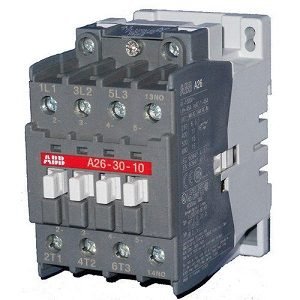
Contactors567 Products
-
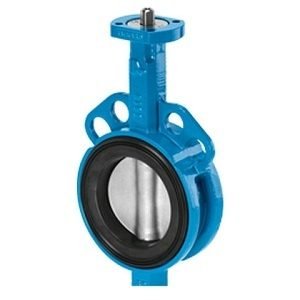
Control Valve238 Products
-

Counters78 Products
-

Encoder117 Products
-
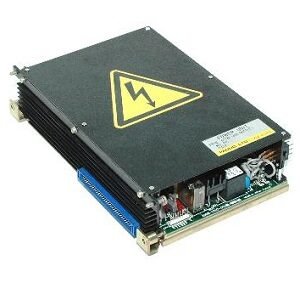
Fanuc Main Board1,376 Products
-
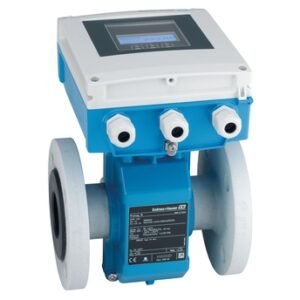
Flow Transmitter (Flow meter)552 Products
-
HMI/Touch Screen594 Products
-
Industrial Device Servers125 Products
-
Inverter914 Products
-

Network/Signal2 Products
-

Others4,501 Products
-
Power Supply220 Products
-
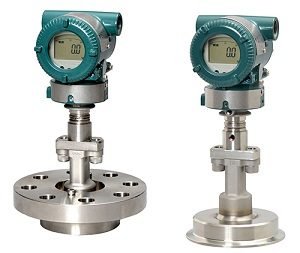
Pressure Transmitter146 Products
-
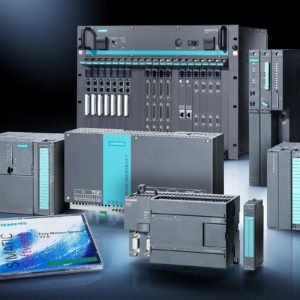
Programmable Logic Controller (PLC)6,295 Products
-
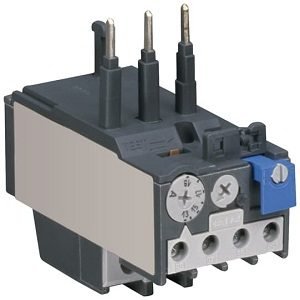
Relay927 Products
-
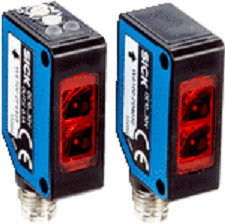
Sensor2,221 Products
-
Servo Motors & Motor Drives5,037 Products
-
Switch897 Products
-

Timer93 Products
-

Uncategorized1,154 Products
-
Variable Frequency Drives (VFD)255 Products
-
Yokogawa Remote Indicators16 Products
Leave a Reply