
Explains the architecture and capabilities of the S7-1500, including CPU families, distributed I/O, PROFINET, motion control, diagnostics, safety, cybersecurity, TIA Portal integration, and demanding machine and process-control applications.
The Siemens S7-1500 PLC is a high-performance programmable logic controller designed for demanding machine automation, production lines, and industrial process-control applications where processing speed, diagnostics, networking, scalability, and engineering efficiency matter. Its tight integration with Siemens TIA Portal, built-in PROFINET connectivity, integrated diagnostics, motion-control capabilities, and broad range of CPU and I/O options make it a strong platform for modern automation architectures. The real advantage of the S7-1500 is not simply CPU speed; it is the way the controller, distributed I/O, HMI, drives, safety, communications, and engineering environment work together as one automation platform.
What Is the Siemens S7-1500 PLC?
The SIMATIC S7-1500 is Siemens’ advanced PLC platform for controlling complex machines, production systems, and industrial processes. Siemens positions the S7-1500 for advanced automation applications requiring higher performance and functionality than compact PLC platforms. The system uses a modular architecture built around CPUs, power supplies, signal modules, technology modules, and communication modules, allowing engineers to configure the controller around the actual requirements of a machine or plant.
Unlike a basic controller intended primarily for straightforward machine logic, an S7-1500 installation can combine discrete control, analog process control, motion control, industrial networking, safety functions, diagnostics, HMI integration, and higher-level communication.
That distinction is important when selecting a PLC. A controller should not be chosen simply because it has enough inputs and outputs. The engineer needs to consider scan and execution performance, communications, motion requirements, safety architecture, memory, diagnostics, future expansion, environmental conditions, and the complexity of the application.
The S7-1500 addresses those requirements through a scalable architecture rather than forcing every application into the same hardware configuration.
Why the S7-1500 Matters in Industrial Automation
Industrial automation has moved well beyond simply turning motors and valves on and off. Today’s production systems generate large volumes of operational data and increasingly require deterministic communication, advanced diagnostics, integrated safety, motion coordination, and connections to supervisory and enterprise systems.
That is where the S7-1500 becomes particularly relevant.
Siemens designed the platform around high-performance automation, scalable hardware, integrated motion control, PROFINET communication, and TIA Portal engineering. Siemens also describes the platform as suitable for sophisticated machine designs and complex automation tasks, with CPU performance classes that can be scaled according to application requirements.
For an automation engineer, the practical benefits are straightforward:
Faster execution of complex control programs
Scalable I/O architecture
Integrated PROFINET communication
Advanced system diagnostics
Motion-control functions
Support for safety-oriented CPU and I/O configurations
Integration with Siemens HMI and drive systems
OPC UA and other industrial communication capabilities
Centralized engineering through TIA Portal
However, the S7-1500 is not automatically the best PLC for every project. A small standalone machine may not need its capabilities or cost. Conversely, a complex packaging line, robotic cell, high-speed manufacturing system, or integrated process-control application may quickly outgrow a smaller controller.
The correct question is therefore not “Is the S7-1500 powerful?” It clearly is. The better question is whether the S7-1500’s performance, architecture, and engineering ecosystem match the application’s requirements.
S7-1500 PLC Architecture
The S7-1500 uses a modular architecture. The CPU forms the center of the control system, while additional modules provide the required I/O, technology, communications, and other functions.
S7-1500 CPU
The CPU executes the user program and coordinates communication with other automation components. Siemens describes the CPU as the heart of the controller system because it executes the control program while networking the controller with other automation devices.
CPU selection matters because different S7-1500 CPUs provide different performance levels and functional capabilities.
Depending on the application, engineers can select from standard CPUs, compact CPUs, technology-oriented CPUs, fail-safe CPUs, and other specialized variants.
The selection should be based on:
Program size and complexity
Required execution performance
Number and type of I/O
Communication requirements
Motion-control requirements
Safety requirements
Future expansion
Availability and lifecycle considerations
Signal Modules
Signal modules expand the PLC’s digital and analog I/O capabilities.
Digital input modules receive binary signals such as:
Pushbuttons
Limit switches
Proximity sensors
Auxiliary contacts
Machine status signals
Digital output modules control devices such as:
Contactors
Solenoid valves
Indicator lights
Relays
Other discrete actuators
Analog modules handle continuously varying signals such as 0–10 V, 4–20 mA, temperature measurements, and other process variables, depending on the specific module.
Technology Modules
Technology modules provide specialized capabilities beyond conventional digital and analog I/O.
Applications can include:
High-speed counting
Measurement
Positioning
Specialized motion functions
Technology-specific signal processing
This modular approach means the automation engineer can build a controller around the process rather than buying an oversized monolithic system.
Communication Modules
Communication modules extend the controller’s networking capabilities and can support more complex communication architectures.
They become particularly useful when a plant needs to connect the S7-1500 to other control systems, networks, devices, or higher-level applications.
S7-1500 CPU Types and How to Choose One
One of the most important decisions when engineering an S7-1500 system is selecting the appropriate CPU. There is no universal “best S7-1500 CPU.” The right CPU depends on what the controller must actually do.
Standard CPUs
Standard S7-1500 CPUs address general machine and plant automation requirements.
They are appropriate for applications such as:
Conveyor systems
Packaging equipment
Assembly machines
Manufacturing cells
Material-handling systems
General process-control applications
For many projects, a standard CPU provides the right balance between performance, functionality, and cost.
Compact CPUs
Compact versions combine controller functionality with integrated I/O and technology functions. They can be attractive when panel space matters or when the application benefits from a more compact controller architecture.
Technology CPUs
Technology CPUs are intended for applications requiring more sophisticated motion and technology functions.
Siemens identifies advanced synchronization, camming, and kinematic functions among the capabilities available with technology-oriented S7-1500 CPUs.
These CPUs are particularly relevant to:
Packaging machines
Servo-driven machinery
Robotics
Printing equipment
High-speed handling systems
Coordinated multi-axis machines
Fail-Safe CPUs
For applications that require functional safety, Siemens offers fail-safe S7-1500 CPUs and corresponding safety I/O.
This allows standard automation and safety functions to be engineered within the same broader TIA Portal environment.
However, safety should never be treated as simply another PLC feature. The complete machine safety architecture must be designed according to the applicable standards, risk assessment, safety requirements, and validated safety functions.
R/H CPUs for High Availability
Some industrial processes cannot tolerate an extended controller failure.
For these applications, Siemens offers S7-1500 R/H redundant and high-availability CPU systems. Siemens states that these systems synchronize primary and backup CPUs to reduce production interruptions and eliminate single points of failure at appropriate levels of the architecture. These systems are particularly relevant to applications where downtime carries substantial financial or operational consequences.
Examples include:
Continuous-process manufacturing
Critical infrastructure
Large process plants
Energy systems
Pharmaceutical production
High-value production facilities
TIA Portal and S7-1500 PLC Programming
One of the strongest reasons to select an S7-1500 is its integration with TIA Portal.
TIA Portal is Siemens’ integrated engineering environment for configuring, programming, commissioning, diagnosing, and maintaining automation systems. Siemens describes STEP 7 within TIA Portal as the engineering software used to configure and program SIMATIC controllers, with integrated diagnostics and engineering functions.
This integration changes the engineering workflow significantly.
Instead of treating the PLC, HMI, drives, and network configuration as separate engineering tasks, TIA Portal provides a unified environment.
PLC Programming Languages
S7-1500 systems support multiple programming approaches, with availability depending on the application, software version, and configuration.
Commonly encountered languages include:
Ladder Logic (LAD)
Ladder Logic remains popular because electricians, technicians, and controls engineers can often understand the logic visually.
It works particularly well for:
Interlocking
Motor control
Start/stop circuits
Machine sequencing
Discrete control
Function Block Diagram (FBD)
FBD represents logic using interconnected function blocks. It can be particularly effective for control functions, reusable logic, and applications where a graphical representation makes the process easier to understand.
Structured Control Language (SCL)
SCL is a high-level textual programming language based on structured programming concepts.
It becomes especially useful when the application contains:
Complex calculations
Data processing
Loops
Array manipulation
Reusable algorithms
Mathematical functions
A skilled S7-1500 programmer will generally choose the language that best fits the function rather than forcing the entire project into one programming style.
Reusable Programming Blocks
Large PLC projects become difficult to maintain when engineers duplicate the same logic throughout the program.
A better approach is to create structured, reusable blocks for equipment such as:
Motors
Pumps
Valves
Conveyors
Drives
Temperature loops
Analog instruments
This improves consistency and makes troubleshooting easier. For example, if a plant contains 40 identical motor assemblies, a standardized motor-control function can provide a consistent interface for commands, status, alarms, interlocks, and diagnostics.
That is one of the areas where good S7-1500 engineering can produce much greater value than simply having a fast processor.
S7-1500 Communication and PROFINET
Modern automation systems depend heavily on communication. The PLC is no longer an isolated controller sitting inside a cabinet.
The S7-1500 includes integrated PROFINET interfaces on its CPUs, while additional communication modules can expand networking capabilities. Siemens identifies PROFINET, Industrial Ethernet, and OPC UA among the communication technologies supported by the platform.
PROFINET
PROFINET is particularly important in S7-1500 installations.
It connects the PLC with:
Distributed I/O
Drives
HMIs
Remote equipment
Sensors and actuators
Other controllers
Automation networks
A typical S7-1500 architecture may have the PLC acting as a PROFINET IO controller while distributed devices operate as PROFINET IO devices.
This architecture reduces traditional point-to-point wiring and makes large systems easier to expand.
For a deeper explanation of the network technology, see Automation Pioneer’s guide to Understanding PROFINET Protocol and How It Works.
OPC UA and Higher-Level Connectivity
Industrial automation increasingly requires data to move beyond the PLC.
The S7-1500 platform supports modern connectivity options such as OPC UA, enabling communication with higher-level systems and other industrial applications.
This matters for applications involving:
SCADA
MES
Industrial analytics
Production monitoring
Energy management
IIoT platforms
The objective is not simply to collect more data. The objective is to make useful production information available to the systems and people that need it.
S7-1500 Diagnostics and Troubleshooting
One of the most practical strengths of the S7-1500 is its diagnostic capability.
In a production environment, a PLC that controls a machine perfectly but takes hours to troubleshoot is not necessarily a good automation solution.
Downtime is expensive.
The faster an engineer can identify the cause of a fault, the faster the machine can return to production.
Siemens provides integrated system diagnostics across the S7-1500 platform, with diagnostic information available through engineering tools, HMIs, web interfaces, and the controller display depending on the system configuration.
System Diagnostics
System diagnostics can identify issues involving:
I/O modules
Network devices
Communication failures
Hardware faults
Configuration problems
Device status
The advantage is that diagnostic information can be presented consistently instead of requiring engineers to manually inspect every component.
Trace Functions
Trace functionality is particularly useful during commissioning and troubleshooting.
An engineer can monitor selected variables over time and investigate what occurred immediately before a fault or performance problem.
This is valuable for problems such as:
Intermittent machine stops
Timing issues
Servo performance problems
Process instability
Sensor fluctuations
Unexpected sequence behavior
Instead of guessing what happened, engineers can examine the actual behavior of the system.
Web-Based Diagnostics
Depending on the CPU and configuration, the integrated web server can provide access to diagnostic information through a web browser.
This can be useful during maintenance because technicians do not always need a full engineering workstation simply to inspect controller status. Siemens documentation also emphasizes the importance of securing web access and limiting network exposure appropriately.
That last point matters. Convenience must never override cybersecurity.
Motion Control with the S7-1500
Motion control is another major capability of the S7-1500 platform. Siemens states that S7-1500 CPUs support motion-control functions, while technology CPUs provide additional advanced capabilities for coordinated motion and kinematics.
This makes the platform suitable for machines requiring coordinated control of:
Servo motors
Positioning systems
Conveyors
Pick-and-place mechanisms
Packaging equipment
Synchronized machine axes
The integration becomes particularly powerful when S7-1500 controllers work with Siemens SINAMICS drives and PROFINET-based communication. Instead of building a separate control architecture for every motion subsystem, engineers can coordinate machine logic and motion functions within a unified automation environment.
S7-1500 Safety and Industrial Security
Modern PLC selection must address two different issues: functional safety and cybersecurity.
They are related, but they are not the same thing.
Functional Safety
Fail-safe S7-1500 CPUs and safety modules can integrate safety-related control functions with standard automation.
Applications may include:
Emergency-stop functions
Guard-door monitoring
Safety interlocks
Safe shutdown
Machine safety systems
However, the PLC does not eliminate the need for proper machine risk assessment, safety engineering, validation, and compliance with applicable standards.
Cybersecurity
Connecting a PLC to industrial Ethernet, remote diagnostics, SCADA, or enterprise systems increases its exposure to potential cyber threats.
A secure S7-1500 architecture should therefore consider:
Network segmentation
Access control
Firewall protection
User authentication
Secure engineering practices
Controlled remote access
Firmware management
Backup and recovery procedures
Siemens explicitly recommends a holistic industrial-security concept rather than relying on individual product features alone.
S7-1500 Applications Across Industry
The S7-1500 is suitable for a broad range of industrial applications because the platform scales from individual machines to larger automation systems.
Manufacturing
Typical applications include:
Assembly lines
Packaging systems
Material handling
Machine tools
Robotics
Production cells
High-speed control and integrated motion capabilities make the S7-1500 particularly useful where machines must coordinate multiple operations.
Process Industries
The controller can also be used in process-oriented applications involving:
Pumps
Valves
Temperature control
Pressure control
Flow measurement
Level control
For larger process architectures, engineers may combine S7-1500 controllers with distributed I/O, SCADA, HMI, instrumentation, and higher-level control systems.
Water and Wastewater
Water-treatment facilities use automation to coordinate:
Pump stations
Filtration systems
Chemical dosing
Level control
Flow monitoring
Motor control
The S7-1500’s diagnostics and networking capabilities are useful in geographically distributed and continuously operating facilities.
Energy and Infrastructure
Power and infrastructure applications often require reliable control, communication, and diagnostics.
Examples include:
Energy-management systems
Utility infrastructure
HVAC automation
Material-handling systems
Critical industrial equipment
Siemens S7-1500 vs S7-1200
The S7-1200 and S7-1500 are both modern Siemens PLC families, but they target different application requirements.
The S7-1200 is generally aimed at compact machine concepts and cost-conscious automation applications. Siemens positions the S7-1500 as an advanced controller for more demanding machine and plant applications.
The practical distinction is this:
| Requirement | S7-1200 | S7-1500 |
|---|---|---|
| Compact machines | Excellent | Excellent |
| Complex machine control | Good | Excellent |
| Large automation systems | Limited compared with S7-1500 | Strong |
| Advanced motion | Application dependent | Strong |
| High-performance processing | Moderate to high | High |
| Complex diagnostics | Good | Advanced |
| Large distributed architectures | Good | Excellent |
| High-availability options | Limited | Available |
| Advanced engineering | TIA Portal | TIA Portal |
The choice should therefore be based on the actual control requirements rather than simply selecting the more powerful PLC.
How to Select the Right S7-1500 PLC
Selecting the correct CPU requires more than counting I/O points.
Start by defining the machine or process requirements.
1. Determine the Control Complexity
Calculate how much logic, sequencing, calculation, data handling, and communication the controller must perform.
2. Define I/O Requirements
Identify:
Digital inputs
Digital outputs
Analog inputs
Analog outputs
High-speed signals
Remote I/O
Then allow room for future expansion.
3. Evaluate Motion Requirements
If the machine contains servo axes, synchronized drives, electronic gearing, camming, or coordinated motion, evaluate the technology CPU options carefully.
4. Define Communication Requirements
Determine whether the system requires:
PROFINET
PROFIBUS
OPC UA
Industrial Ethernet
Third-party protocols
SCADA connectivity
MES connectivity
5. Consider Safety
If the machine requires functional safety, determine whether a fail-safe CPU and safety I/O architecture are appropriate.
6. Plan for Future Expansion
A controller that is barely sufficient on day one can become a limitation two years later. Leave adequate capacity for additional I/O, communications, program complexity, and machine functions.
S7-1500 PLC Best Practices
A high-performance PLC does not automatically produce a high-performance automation system. Engineering quality matters.
Use a consistent programming architecture and naming convention. Build reusable function blocks instead of copying logic throughout the project. Separate machine sequences, equipment control, alarms, diagnostics, and communications into logical structures.
Document I/O and network configurations thoroughly.
Also, do not ignore commissioning.
A good commissioning process should include:
I/O verification
Network testing
Interlock testing
Alarm testing
Sequence validation
Safety validation
Communication testing
Performance testing
Backup verification
Finally, maintain current backups of the TIA Portal project and document the hardware and firmware configuration.
The Future of Siemens S7-1500 Automation
Industrial automation is moving toward increasingly connected and data-driven architectures.
The S7-1500 fits this direction because it combines conventional PLC control with networking, diagnostics, motion control, safety options, and modern industrial communication.
The future is not simply about faster PLC scan times.
It is about connecting control systems to the wider manufacturing ecosystem while maintaining deterministic control and operational security.
That means S7-1500 applications increasingly interact with:
Industrial IoT platforms
Edge computing
MES systems
SCADA platforms
Cloud services
Digital twins
Advanced analytics
AI-assisted manufacturing systems
The PLC remains responsible for deterministic control, but its data can increasingly support decisions at higher levels of the organization.
Where to Buy Siemens PLCs and Automation Components
Automation Pioneer maintains a broad selection of Siemens PLC systems and related industrial automation components, including SIMATIC PLCs and associated automation hardware. Siemens PLC Systems at Automation Pioneer
For engineers and maintenance teams, sourcing the correct Siemens part number matters. The S7-1500 ecosystem includes CPUs, signal modules, communication modules, memory components, power supplies, interface hardware, and other accessories. Always verify the exact order number, hardware revision, firmware compatibility, and application requirements before purchasing replacement or expansion equipment.
Frequently Asked Questions About Siemens S7-1500 PLC
1. What is the Siemens S7-1500 PLC used for?
The Siemens S7-1500 is used to control complex industrial machines, production lines, process systems, motion applications, and other automated equipment requiring high-performance PLC control.
2. Is the Siemens S7-1500 a high-performance PLC?
Yes. Siemens positions the S7-1500 as an advanced, high-performance controller for sophisticated machine and plant automation applications. Its scalable CPU family, integrated motion control, PROFINET connectivity, and diagnostics make it suitable for demanding industrial applications.
3. What software is used to program the S7-1500?
The primary engineering environment is Siemens TIA Portal, with STEP 7 used to configure and program SIMATIC controllers. TIA Portal also integrates engineering functions for other automation components.
4. What programming languages does the S7-1500 support?
S7-1500 projects can use programming languages such as Ladder Logic (LAD), Function Block Diagram (FBD), and Structured Control Language (SCL), with additional language capabilities depending on the software version, CPU, and project configuration.
5. Does the S7-1500 support PROFINET?
Yes. PROFINET interfaces are integrated into S7-1500 CPUs, providing communication with distributed I/O, drives, HMIs, and other automation devices.
6. Does the S7-1500 support motion control?
Yes. Siemens states that S7-1500 CPUs provide motion-control functions, while technology CPUs offer additional advanced motion capabilities for applications requiring more sophisticated synchronization and kinematics.
7. Can the S7-1500 be used for safety applications?
Yes. Siemens offers fail-safe S7-1500 CPUs and safety modules for applications requiring functional safety. However, safety implementation must follow the appropriate risk assessment, safety standards, engineering procedures, and validation requirements.
8. What is the difference between S7-1200 and S7-1500?
The S7-1200 generally targets compact and cost-sensitive automation applications, while the S7-1500 targets more advanced machines and plant automation requiring greater performance, scalability, diagnostics, and functionality.
9. Can the S7-1500 communicate with SCADA and MES systems?
Yes. The S7-1500 can communicate with supervisory and higher-level systems through supported industrial communication technologies, including OPC UA and Industrial Ethernet, depending on the specific CPU and system architecture.
10. Why is the S7-1500 popular for industrial automation?
The S7-1500 combines high-performance PLC control with scalable hardware, integrated PROFINET, motion control, diagnostics, safety options, and TIA Portal engineering. That combination makes it particularly effective for complex industrial automation projects where performance, maintainability, and integration are important.
The Siemens S7-1500 PLC is more than a high-speed programmable controller. It is a scalable automation platform that brings together PLC logic, distributed I/O, PROFINET networking, motion control, diagnostics, safety, HMI integration, and higher-level industrial communication within a common engineering environment.
For simple machines, a smaller PLC may be the more economical choice. For complex production equipment, high-speed machinery, integrated manufacturing systems, and demanding process-control applications, however, the S7-1500 provides the performance and architecture needed to build a robust automation system that can grow with the plant.
For Automation Pioneer, the S7-1500 should also be treated as part of a broader industrial automation and process-control ecosystem rather than as an isolated product. When the PLC is correctly matched with sensors, instrumentation, drives, HMI, SCADA, industrial networking, safety systems, and engineering practices, it becomes the central control layer of a much more capable industrial automation solution.
Recommended Automation Pioneer Resources
To deepen your understanding of industrial automation, critical power infrastructure, and digital transformation, explore these related resources on Automation Pioneer:
- PLCs & Controllers
- Siemens Programmable Logic Controllers (PLCs)
- Siemens S7-1200 PLC
- Siemens S7-1500 PLC
- Siemens S7-1200 vs S7-1500
- Siemens TIA Portal
- Siemens PLC Programming
- Siemens PLC Communication
- Siemens PLC Troubleshooting
- Siemens PLC Accessories
- Siemens PLC Selection Guide
These articles offer additional technical insights into the automation, networking, monitoring, and control technologies that support modern industrial automation and mission-critical infrastructure.
Check Our Comprehensive Automation Brands Get Latest Industrial Automation NewsYour One-Stop Source for Reliable Siemens PLCs, Industrial Automation & Process Control Equipment
Access trusted Siemens PLCs, process control equipment, expert support, and fast sourcing—all in one place.
Check Our Comprehensive Siemens Programmable Logic Controllers (PLCs)- 6ES7 392-4BB00-0AA0 Siemens Cable 6ES73924BB000AA0 $95.00Add to cart
- 6ES73157TJ100AB0 SIMATIC S7-300 CPU 6ES7315-7TJ10-0AB0 $5,220.00Add to cart
- 6FC5357-0BB25-0AA0 SIEMENS SINUMERIK 840D/DE CNC-HARDWARE NCU 572.5Read more
- 6FX3002-2CT10-1AF0 Siemens Cable 6FX30022CT101AF0 $120.00Add to cart
- 6FX30025CL011AF0 Siemens Cable 6FX3002-5CL01-1AF0 $115.00Add to cart
- 6XV18300ET50 Siemens Bus Cable 6XV1830-0ET50 $1,890.00Add to cart
- HOT SELLING SIEMENS PLC ADAPTER 6GK15710AB000AA0Read more
- Original SIEMENS SIMATIC IPC547D 6AG41042DD424FB4Read more
- Original Siemens SIWAREX U Weighing module 7MH49502AA01Read more
- Original siemens step 7 6ES73317HF010AB0Read more
- QLCDM024DCBAN(16809-41/5)Read more
- S7-1200 PLC, SIEMENS CPU 1211C,CPU 1212C ,CPU1214C. 6ES72111BD300XB0Read more
- SIEMENS SIMATIC DP, DISTRIBUTED I/O module NEW/ IN STOCK 6ES79720AC800XA0Read more
- SIEMENS 12v Power Supply in Stock 6EP13343BA00Read more
- Siemens 300PLC siemens SIMATIC S7-300 6ES73135BF030AB0Read more
- Siemens 300PLC siemens SIMATIC S7-300 6ES73541AH010AE0 SIEMENS PLC 6ES7 6ES7354-1AH01-0AE0 ON SALERead more
- Siemens 39BCMNBNRead more
- Siemens 3RH2921-1DA11 Auxiliary Switch Lateral Block 3RH29211DA11 $20.00Add to cart
- Siemens 505-4332Read more
- Siemens 505-4908Read more
- Siemens 6AR1001-3BG20-0AA0Read more
- Siemens 6AR1301-0CA31-0AA0Read more
- Siemens 6AR1302-0AD00-0AA0Read more
- Siemens 6AR1302-0AE00-0AA0Read more
- Siemens 6AR1303-0BA00-0AA0Read more
- Siemens 6AR1304-0CA00-0AA0Read more
- Siemens 6AR1502-0AA04-0AA0Read more
- Siemens 6AV3970-1XB31-0AA0Read more
- Siemens 6AV3971-1NA03-0DA0Read more
- Siemens 6DD1601-0AH0Read more
- Siemens 6DD1602-0AE0Read more
- Siemens 6DD1607-0AA0Read more
- Siemens 6DD1607-0EA0Read more
- Siemens 6DD1610-0AG1Read more
- Siemens 6DD1611-0AF0Read more
- Siemens 6DD1640-0AC0Read more
- Siemens 6DD1662-0AB0Read more
- Siemens 6DD1670-0AF0Read more
- Siemens 6DD1681-0AJ1 TDC Converter SU12 Module 6DD16810AJ1 $700.00Add to cart
- Siemens 6DD1681-0CA2Read more
- Siemens 6DD1681-0CB2Read more
- Siemens 6DD1684-0FH0Read more
- Siemens 6DD1684-0GC0Read more
- Siemens 6DD1684-0GE0Read more
- Siemens 6DD2920-0AB1Read more
- Siemens 6DD2920-0AV0Read more
- Siemens 6DS1618-8CARead more
- Siemens 6DS1703-8RRRead more
- Siemens 6DS1722-8RRRead more
- Siemens 6DS1723-8RRRead more
- Siemens 6DS1723-8RURead more
- Siemens 6DS1731-8RRRead more
- Siemens 6EP power supply SITOP 10A 6EP13321SH43Read more
-
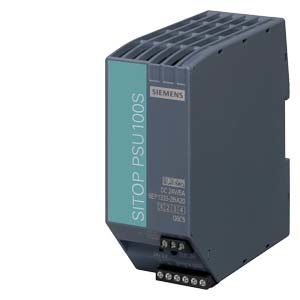 Siemens 6EP Power Supply sitop 6EP13332BA20Read more
- Siemens 6EP1336-3BA00Read more
- SIEMENS 6ES7 193-6AR00-0AA0 SIMATIC ET 200SP 6ES71936AR000AA0 $70.00Add to cart
- SIEMENS 6ES7 232-4HA30-0XB0 Analog Output Module 6ES72324HA300XB0 $200.00Add to cart
- Siemens 6ES7 321-1BL00-0AA0 Module S7-300 6ES73211BL000AA0 $600.00Add to cart
- Siemens 6ES7153-1AA03-0XB0 Interface Module 6ES71531AA030XB0 $380.00Add to cart
- Siemens 6ES7193-4CF50-0AA0Read more
- Siemens 6ES7212-1AE40-0XB0 PLC Controller 6ES72121AE400XB0 $498.00Add to cart
- Siemens 6ES7221-1BH22-0XA8Read more
- Siemens 6ES7223-1HF22-0XA0 S7-200 PLC Digital EM223 6ES72231HF220XA0 $480.00Add to cart
- Siemens 6ES7231-0HF22-0XA0 Analog Module 6ES72310HF220XA0 $300.00Add to cart
- SIEMENS 6ES7231-4HD32-0XB0 SIMATIC Analog Input 6ES72314HD320XB0 $248.00Add to cart
- Siemens 6ES7231-5PD32-0XB0 Analog Input Module 6ES72315PD320XB0 $320.00Add to cart
- Siemens 6ES7231-5PF32-0XB0 Input Module 6ES72315PF320XB0 $560.00Add to cart
- Siemens 6ES72317PL220XA0 16AI Thermocouple $470.00Add to cart
- SIEMENS 6ES7277-0AA22-0XA0 S7-1200 CPU Module 6ES72770AA220XA0 $200.00Add to cart
- Siemens 6ES7290-6AA20-0XA0 Extension Cable 6ES72906AA200XA0 $80.00Add to cart
- SIEMENS 6ES7292-1AG20-0AA0 I/O Terminal Block 6ES72921AG200AA0 $380.00Add to cart
- Siemens 6ES7400-2JA00-0AA0Read more
- Siemens 6ES7407-0DA01-0AA0Read more
- Siemens 6ES7678-1RA00-0XB0Read more
- Siemens 6FX2002-1DC00-1AD0Read more
- Siemens 6GK1571-1AA00Read more
- Siemens 6GK5008-0BA10-1AB2 Industrial Ethernet Switch 6GK50080BA101AB2 $200.00Add to cart
- Siemens 6GK5116-0BA00-2AC2 Unmanaged Switch 6GK51160BA002AC2 $980.00Add to cart
- Siemens 6GK5212-2BB00-2AA3 SCALANCE X212-2 Managed IE Switch $1,998.00Add to cart
- SIEMENS 6GK7277-1AA10-0AA0 Switch Module 6GK72771AA100AA0 $190.00Add to cart
- SIEMENS 6RA80 Dc Converter Board C98043A7100L41Read more
- Siemens 6SE7031-5EF84-1BH0Read more
- Siemens 6SE7035-1EJ84-1JC2Read more
- Siemens Analog Input module Simatic S5 460 6ES54604UA13Read more
- Siemens C8451-A12-A73Read more
- Siemens Communication Processor cp 342 5 for Simatic s7 300 6GK73425DA020XE0Read more
- Siemens CP 1542-5 Communication Processor 6GK7542-5FX00-0XE0 $870.00Add to cart
- Siemens CP 443-1 Communication Processor 6GK7443-1GX30-0XE0 $2,990.00Add to cart
- Siemens CP 5623 Communication Processor 6GK1562-3AA00 $1,390.00Add to cart
- Siemens DP Master Module for im 151-7 cpu simatic 6ES71384HA000AB0Read more
- Siemens ET 200m Interface IM 153-4 6ES71534AA010XB0Read more
- Siemens ET-200 PLC ANALOG IO MODULE 6ES71384DF110AB0Read more
- Siemens ET-200 PLC ANALOG IO MODULE SM331 SM332 6ES71344GB010AB0Read more
- Siemens ET-200 PLC ANALOG IO MODULE SM331 SM332 6ES71344JB51OABORead more
- Siemens ET-200 PLC ANALOG IO MODULE SM331 SM332 6ES71934CB300AA0Read more
- SIEMENS ET200 SIEMENS ET200S SIEMENS ET200M PLC ,6ES71344JB510AB0Read more
- SIEMENS ET200 SIEMENS ET200S SIEMENS ET200M PLC ,6ES71518AB010AB0Read more
- SIEMENS ET200 SIEMENS ET200S SIEMENS ET200M PLC ,6ES71957HC000XA0Read more
- SIEMENS ET200M PLC SIEMENS ET200M 6ES71532BA020AB0Read more
- SIEMENS ET200M PLC SIEMENS ET200M modules 6ES71951GG300XA0Read more
- SIEMENS ET200S SIEMENS ET 200S Digital Module 6ES71324BB310AA0Read more
- Siemens ET200S PLC MODULE 6ES71511CA000AB0 ET200S PLCRead more
- SIEMENS ET200S siemens Et200 PLC Modules SIEMENS PLC 6ES71384DF010AB0Read more
- SIEMENS ET200S siemens Et200 PLC Modules 6ES71344NB510AB0Read more
- Siemens Front Connector For S7-300 40 Pole 6ES79223BC500AC0Read more
- Siemens Fum232 original siemens plc 6DP12328BARead more
- SIEMENS INTERFACE MODULE IM151-1 HIGH FEATURE F 6ES71511BA020AB0Read more
- SIEMENS IR SOURCE C79451-A3468-B206 U23 Source Gas Analyzer $860.00Add to cart
- Siemens module SIMOVERT MASTERDRIVES CONVERTER 6SE70150EP60Read more
- SIEMENS PLC Analog Digital Controller 6AG13071EA017AA0Read more
- Siemens PLC CPU Simatic S7 300 I/O Module 6ES73340CE010AA0Read more
- Siemens PLC HMI Cambridge MA 6ED10551MD000BA1Read more
- Siemens PLC Logo 230RC 6ED10551FB000BA1Read more
- SIEMENS PLC LOGO! 8 6ED10551CB100BA2 Expansion Module $160.00Add to cart
- Siemens PLC Memory Card 6ES79538LG200AA0Read more
- SIEMENS PLC Modules SIEMENS Controller 6ES73262BF010AB0Read more
- SIEMENS PLC Modules siemens TOUCH MULTI PANEL SIEMENS panel 6AV66430CD011AX0Read more
- Siemens PLC PDF 6ES7152-3AA23-0AB0Read more
- SIEMENS PLC S7-200 6ES72110BA230XB0Read more
- SIEMENS PLC S7-200 Digital I/O EM221 6ES72211EF220XA0Read more
- SIEMENS PLC S7-200 EM231 6ES72317PD220XA8Read more
- SIEMENS PLC S7-200 EM231 6ES72317PF220XA0Read more
- Siemens PLC S7-200 Manual 6ES73152AF030AB0Read more
- Siemens PLC S7-300 6ES73136CG040AB0Read more
- SIEMENS PLC S7-300 CPU SIEMENS S7-300 6ES73121AE130AB0Read more
- Siemens PLC S7-400 Micro Memory Card 6ES79538LP100AA0Read more
- Siemens PLC SIEMENS S7-300 6ES73921BM010AA0Read more
- Siemens PLC siemens S7-300 PLC 6ES7 6ES73071EA000AA0Read more
- Siemens PLC Simatic PCS7 6ES76585AA170YA5Read more
- Siemens PLC Simatic S7 300 CPU 317-2 PN DP Processing Unit 6ES73172EK140AB0Read more
- Siemens PLC Simatic S7 300 CPU Digital Output Module 6ES73221BH010AA0Read more
- Siemens PLC Simatic S7 300 CPU Digital Output Module 6ES73221BL000AA0Read more
- Siemens PLC Simatic S7 300 Digital Output Module 6ES73221BF010AA0Read more
- Siemens PLC Simatic S7 400 CPU 416 2 6ES74162XN050AB0Read more
- Siemens PLC Simatic S7 400 CPU 416 2 Central Processor Unit 6ES74162XK040AB0Read more
-
 SIEMENS PLC SIMATIC S7-200 CP 243-1 6GK7243-1EX00-0XE0Read more
- SIEMENS PLC SIMATIC S7-200 GSM GPRS modem 6NH97203AA00Read more
- Siemens PLC Simatic S7-400 Communication Module CP443-1 6GK74431EX200XE0Read more
- SIEMENS PLC SIMATIC S7-400, CPU 414-3 PN/DP CENTRAL PROCESSING UNIT 6ES7 414-3EM05-0AB0Read more
- SIEMENS POWER Modules SIEMENS PLC Modules 6SN11231AA010FA1Read more
- Siemens Profibus Connector DP Bus Connector 6ES79720BA410XA0Read more
- Siemens QLCCM36AANRead more
- Siemens QLCDM024DCBAN(16809-41/4)Read more
- Siemens QLCDM024DCBAN(A5E00247448/06)Read more
- Siemens S30810-K2310-X-5Read more
- Siemens S7 300 PLC CPU Analog Input Module 6ES73311KF010AB0Read more
- Siemens s7 MPI USB cable 6ED10571AA010BA0Read more
- Siemens S7-1200 PLC 6ES72141BG310XB0Read more
- SIEMENS S7-1200 PLC, SIEMENS CPU 1211C,CPU 1212C ,CPU1214C 6ES72231BH300XB0Read more
- SIEMENS S7-1200 PLC, SIEMENS CPU 1211C,CPU 1212C ,CPU1214C,6ES72231BL300XB0Read more
- SIEMENS S7-1200 PLC, SIEMENS CPU 1211C,CPU 1212C ,CPU1214C,6ES72231PH300XB0Read more
- SIEMENS S7-1200 PLC, SIEMENS CPU 1211C,CPU 1212C ,CPU1214C.Read more
- SIEMENS S7-1200 PLC, SIEMENS CPU 1211C,CPU 1212C ,CPU1214C.,6ES72213AD300XB0Read more
- SIEMENS S7-1200 PLC, SIEMENS CPU 1211C,CPU 1212C ,CPU1214C.,6ES72213BD300XB0Read more
- SIEMENS S7-1200 PLC, SIEMENS CPU 1211C,CPU 1212C ,CPU1214C.,6ES72221AD300XB0Read more
- SIEMENS S7-200 S7-200 PLC SIMATIC S7-200 CPU PLCRead more
- SIEMENS S7-200 PLC CPU 224 6ES72142AS230XB0Read more
- SIEMENS S7-200 PLC Digital I/O EM222 6ES72221HF220XA0Read more
- Siemens S7-300 Analog Output Module 6ES73325HB010AB0Read more
- SIEMENS S7-300 PLC SIMATIC S7-300 6ES73411CH020AE0Read more
- Siemens S7-300 PLC Digital I/O MODULE 6ES73211BH100AA0Read more
- Siemens S7-300 SIMATIC PLC 6ES73211FF100AA0Read more
- Siemens S7-300 SIMATIC PLC 6ES73221HF100AA0Read more
- Siemens S7-300 SIMATIC PLC 6ES73225FF000AA0Read more
- Siemens S7-300 SIMATIC PLC 6ES73225HF000AA0Read more
- Siemens S7-300 SIMATIC PLC 6ES73228BF000AA0Read more
- SIEMENS S7-400 SIMATIC S7-400, CPU 417-4 CENTRAL PROCESSING UNIT 6AG74174XT050AB0Read more
- SIEMENS S7-400 PLC 6ES74144HR140AB0 6ES74144HR140AB0Read more
- siemens s7-400 plc modules SIMATIC S7-400 SIGNAL MODULES 6ES74031TA010AA0Read more
- siemens S7-400 PLC SIEMENS PS407 Power supply 6EP13342AA01Read more
- Siemens S7-400 Power Supply 6ES74070DA020AA0Read more
- Siemens S7-400 Siemens CPU 412 6ES73146CF020AB0Read more
- Siemens SCALANCE M874 Router 6GK5874-2AA00-2AA2 $1,850.00Add to cart
- Siemens SIEMENS PLC S7-400 PLC 6ES79521AM000AA0Read more
- Siemens Simatic 6ES72231BH22XAA0 EM223 8 inputs outputs $295.00Add to cart
- Siemens simatic 6ES54307LA12 digital input moduleRead more
- SIEMENS SIMATIC Analog output module 6ES7135-6GB00-0BA1 $248.00Add to cart
- SIEMENS SIMATIC C7-635 TOUCH PANEL 6ES76352EB020AE3Read more
- Siemens Simatic Digital Input Module 6ES54318MA11Read more
- Siemens Simatic Digital Output Module 6ES54414UA14Read more
- Siemens Simatic Digital Output Module 6ES73262BF100AB0Read more
- Siemens Simatic DP Analog Output Module 6ES73328TF010AB0Read more
- SIEMENS SIMATIC DP bus connection plug 6ES79720BA300XA0 $130.00Add to cart
- Siemens Simatic DP BUS Connector 6ES79720BA120XA0Read more
- Siemens Simatic DP Bus Connector 6ES79720BA520XA0 $80.00Add to cart
- Siemens Simatic DP Bus Connector 6ES79720BB120XA0Read more
- Siemens Simatic DP Bus connector 6ES79720BB610XA0 $78.00Add to cart
- Siemens Simatic DP Bus Unit 6ES71957HD100XA0Read more
- Siemens Simatic DP Coupling module power supply 6ES71580AD010XA0Read more
- Siemens Simatic Dp Electron Module 6ES71344GB110AB0Read more
- Siemens Simatic dp electronic block 6ES71311BL120XB0Read more
- Siemens Simatic DP Electronic Block 6ES71321BL000XB0Read more
- Siemens Simatic DP Electronic Module 6ES71314BF000AA0Read more
- Siemens Simatic DP Electronic Module Digital 6ES71310BH000XB0Read more
- Siemens Simatic DP Electronic Module Digital s7 plc 6ES71310BL000XB0Read more
- Siemens Simatic DP Hart Analog Input 6ES73317TF010AB0Read more
- Siemens Simatic DP module 6ES71344MB020AB0Read more
- Siemens Simatic DP RS 485 Repeater 6ES79720AA010XA0Read more
- Siemens Simatic DP Terminal Block 6ES71930CA200XA0Read more
- Siemens Simatic DP Terminal Block tb1/dc 6ES71930CA100XA0Read more
- Siemens Simatic DP Terminal Block tb2-4/dc 6ES71930CB200XA0Read more
- Siemens Simatic DP Terminal Block tb2/dc 6ES71930CB100XA0Read more
- Siemens SIMATIC DP, CPU 6ES7512-1DK01-0AB0 $1,400.00Add to cart
- Siemens Simatic ET 200m Interface IM 153-2 6ES71532BA010XB0Read more
- Siemens Simatic ET 200m interface module dp 6ES71532AA020XB0Read more
- SIEMENS SIMATIC ET 200SP BusAdapter 6ES7193-6AF00-0AA0 $85.00Add to cart
- Siemens Simatic ET 200sp I/O Scalable IP20 6ES75101DJ010AB0 $1,270.00Add to cart
- Siemens Simatic Micro Memory Card 6ES79538LF300AA0Read more
- Siemens Simatic PCS 7 Process 6ES74105HX080AB0Read more
- SIEMENS SIMATIC PCS7 Hardware and Software 6ES7656-8EF33-1CF0Read more
- Siemens Simatic Plc new and original 6ES72141BD230XB8Read more
- Siemens Simatic S5 16DE Electronic Module 6ES54312BA11 ET 200BRead more
- Siemens Simatic S5 430 digital input module 6ES54307LA11Read more
- Siemens Simatic S5 441 Digital Output Module 6ES54418MA11Read more
- Siemens Simatic S5 451 Digital Output Module 6ES54518MA11Read more
- Siemens Simatic S5 451-4 Digital Output Module 6ES54514UA14Read more
- Siemens Simatic S5 464 Analog Input Module 6ES5464-8MC11Read more
- Siemens Simatic S5 465 Analog Input Module 6ES54654UA13Read more
- Siemens Simatic S5 466 Analog Input Module 6ES54663LA11Read more
- Siemens Simatic S5 470 Analog Output Module 6ES54704UA12Read more
- Siemens Simatic S5 470 Analog Output Module 6ES54704UB12Read more
- Siemens Simatic S5 470 Analog Output Module 6ES54704UC12Read more
- Siemens Simatic S5 470 Analog Output Module 6ES54704UC13Read more
- Siemens Simatic S5 470 Analog Output Module 6ES54707LC13Read more
- Siemens Simatic S5 482 digital i/o Module 6ES54828MA13Read more
- Siemens Simatic S5 Bus unit plc 6ES57008MA11Read more
- Siemens Simatic S5 CP 521 communications Processor 6ES55218MA21Read more
- Siemens Simatic S5 CP525 communication processor 6ES55253UA21Read more
- Siemens Simatic S5 CPU 6ES59437UB21Read more
- Siemens Simatic S5 CPU 944 6ES59447UB21Read more
- Siemens Simatic S5 CPU 948r 6ES59483UR23Read more
- Siemens Simatic S5 CPU central controller module 6ES59283UA12Read more
- Siemens Simatic S5 CPU plc 6ES59283UB12Read more
- Siemens Simatic S5 CPU plc 6ES59283UB21Read more
- Siemens Simatic S5 CPU plc 6ES59437UB11Read more
- Siemens Simatic S5 Digital Output Module 6ES54417LA13Read more
- Siemens Simatic S5 Fiber opt. cable 6ES57221BC00Read more
- Siemens Simatic S5 Measuring Range Module 6ES54981AA41Read more
- Siemens Simatic S5 Screw connector 6ES54908MB11Read more
- Siemens Simatic S5-115u plc 6ES59427UB11Read more
- Siemens Simatic S7 1200 communication board CB 1241 6ES72411CH301XB0Read more
- Siemens Simatic S7 1200 cpu 1214c compact cpu 6ES72141AG310XB0Read more
- Siemens Simatic S7 1200 digital i/o SM 1223 6ES72231PH320XB0Read more
- Siemens Simatic S7 200 analog output EM 232 6ES72320HB220XA0Read more
- Siemens Simatic S7 200 battery module 6ES72918BA200XA0Read more
- Siemens Simatic S7 200 CPU 224 Compact Unit 6ES72141AD230XB0Read more
- Siemens Simatic S7 200 CPU 224 compact unit 6ES72141BD220XB0Read more
- Siemens Simatic S7 200 CPU 224 compact unit plc module 6ES72141BD230XB0Read more
- Siemens Simatic S7 200 CPU 224xp compact unit 6ES72142BD230XB0Read more
- Siemens Simatic S7 200 cpu 226 compact unit 6ES72162BD230XB0Read more
- Siemens Simatic S7 200 digital i/o EM 223 6ES72231BL220XA0 $397.00Add to cart
- Siemens Simatic S7 200 digital input EM 221 module 6ES72211BF000XA0Read more
- Siemens Simatic S7 200 Digital output module EM 222 6ES72221BF000XA0Read more
- Siemens Simatic S7 200 digital output module EM 222 6ES72221BF220XA0Read more
- Siemens Simatic S7 200 EM231 PLC 6ES72317PB220XA8Read more
- Siemens Simatic S7 200 USB/PPI Cable 6ES79013DB300XA0Read more
- Siemens Simatic S7 300 24V DC 0.5A CPU Digital Module 6ES73231BL000AA0Read more
- Siemens Simatic S7 300 Analog Input 6ES73317RD000AB0Read more
- Siemens Simatic S7 300 Analog Input Module 6ES73317KB010AB0Read more
- Siemens Simatic S7 300 Analog Module 6ES73340KE000AB0Read more
- Siemens Simatic S7 300 Analog Module 6ES73357HG010AB0Read more
- Siemens Simatic S7 300 Bus Connector 6ES73900AA000AA0Read more
- Siemens Simatic S7 300 Communication Processor 6ES73401AH010AE0Read more
- Siemens Simatic S7 300 CP 341CPU PLC Communication Processor 6ES73411CH020AE0Read more
- Siemens Simatic S7 300 cpu 312 Interface Module 6ES73121AE140AB0Read more
- Siemens Simatic S7 300 CPU 312c compact unit 6ES73125BF040AB0Read more
- Siemens Simatic S7 300 cpu 313 compact cpu 6ES73135BG040AB0Read more
- Siemens Simatic S7 300 cpu 313c-2dp compact cpu 6ES73136CF030AB0Read more
- Siemens Simatic S7 300 CPU 314c PN/DP compact 6ES73146EH040AB0Read more
- Siemens Simatic S7 300 CPU 314c-2 DP compact 6ES73146CH040AB0Read more
- Siemens Simatic S7 300 CPU 314c-2dp compact 6ES73146CG030AB0Read more
- Siemens Simatic S7 300 CPU 315 2 pn DP 6ES73152EH140AB0Read more
- Siemens Simatic S7 300 CPU 315 2DP Interface 6ES73152AG100AB0Read more
- Siemens Simatic S7 300 CPU 315F Central Unit 6ES73156FF010AB0Read more
- Siemens Simatic S7 300 CPU 317 2 DP Processing Unit 6ES73172AJ100AB0Read more
- Siemens Simatic S7 300 CPU 317F-2 PN/DP Processing Unit 6ES73172FK140AB0Read more
- Siemens Simatic S7 300 CPU 318-2 DP Product 6ES73182AJ000AB0Read more
- Siemens Simatic S7 300 CPU 319 3 PN/DP Processing Unit 6ES73183EL010AB0Read more
- Siemens Simatic S7 300 CPU 319-3 PNDP Module 6ES73183EL000AB0Read more
- Siemens Simatic S7 300 CPU Analog Output Module 6ES73325HF000AB0Read more
- Siemens Simatic S7 300 Digital Input Module SM 321 6ES73211BH020AA0Read more
- Siemens Simatic S7 300 Digital Module 6ES73231BH010AA0Read more
- Siemens Simatic S7 300 Digital Output Module 6ES73221HF010AA0Read more
- Siemens Simatic S7 300 Digital Output Module 6ES73221HH010AA0Read more
- Siemens Simatic S7 300 Digital Output Module 6ES73228BF000AB0Read more
- Siemens Simatic S7 300 Dummy Module 6ES73700AA010AA0Read more
- Siemens Simatic S7 300 Front Connector 6ES73921AJ000AA0Read more
- Siemens Simatic S7 300 Front Connector 6ES73921AM000AA0Read more
- Siemens Simatic S7 300 Front Connector 6ES73921BJ000AA0Read more
- Siemens Simatic S7 300 Function Module 6ES73531AH010AE0Read more
- Siemens Simatic S7 300 PLC CPU Analog Input 6ES73311KF020AB0Read more
- Siemens Simatic S7 300 PLC CPU Analog Input 6ES73317NF000AB0Read more
- Siemens Simatic S7 300 PLC CPU Analog Input 6ES73317PF010AB0Read more
- Siemens Simatic S7 300 PLC CPU Analog Input 6ES73317PF110AB0Read more
- Siemens Simatic S7 300 PLC CPU Analog Input Module 6ES73317KB020AB0Read more
- Siemens Simatic S7 300 PLC CPU Analog Input Module 6ES73317KF020AB0Read more
- Siemens Simatic S7 300 PLC CPU Analog Output 6ES73325HD010AB0Read more
- Siemens Simatic S7 300 PLC CPU Counter Module 6ES73501AH030AE0Read more
- Siemens Simatic S7 300 PLC CPU Digital Input SM 326 6ES73261BK020AB0Read more
- Siemens Simatic S7 300 PLC CPU Interface Module 6ES73603AA010AA0Read more
- Siemens Simatic S7 300 PLC CPU Interface Module 6ES73613CA010AA0Read more
- Siemens Simatic S7 300 PLC CPU Interface Module 6ES73650BA010AA0Read more
- Siemens Simatic S7 300 PLC CPU Signal Module 6ES73384BC010AB0Read more
- Siemens Simatic S7 300 RAIL L=160MM 6ES73901AB600AA0Read more
- Siemens Simatic S7 300 RAIL L=480MM 6ES73901AE800AA0Read more
- Siemens Simatic S7 300 RAIL L=530MM 6ES73901AF300AA0Read more
- Siemens Simatic S7 300 Signal Module 6ES73384BC000AB0Read more
- Siemens Simatic S7 300 SM 322 Digital Output Module 6ES73221FH000AA0Read more
- Siemens Simatic S7 300 SM 322 Digital Output Module 6ES73225GH000AB0Read more
- Siemens Simatic S7 300 SM 323 Digital Module 6ES73231BH000AA0Read more
- siemens simatic s7 400 cpu 414 2 6ES74142XK050AB0Read more
- Siemens Simatic S7 400 CPU 414 3 6ES74143XM050AB0Read more
- Siemens Simatic S7 400 CPU 414 3 768 KB Working Memory 6ES74143XJ000AB0Read more
- Siemens Simatic S7 400 CPU 414-3 6ES74143XJ040AB0Read more
- Siemens Simatic S7 400 CPU 417-4 6ES74174XT050AB0Read more
- Siemens Simatic S7 400 CPU416F-3 PN/DP 6ES74163FR050AB0Read more
- Siemens Simatic S7 400 Digital Output Module 6ES74221BL000AA0Read more
- Siemens Simatic S7 400 FM 450-1 Module 6ES74501AP000AE0Read more
- Siemens Simatic S7 400 Memory Card 6ES79521KM000AA0Read more
- Siemens Simatic S7 400 PLC CPU Module 6ES74142XG030AB0Read more
- Siemens Simatic S7 400 UR2 Rack 6ES74001JA010AA0Read more
- Siemens Simatic S7 400H CPU 414H 6ES74144HJ000AB0Read more
- Siemens Simatic S7 400H CPU 414H 6ES74144HM140AB0Read more
- Siemens Simatic S7 400h CPU 417H 6ES74174HL040AB0Read more
- Siemens Simatic S7 400h CPU 417h 6ES74174HL010AB0Read more
- Siemens Simatic S7 400H CPU 417H 6ES74174HT140AB0Read more
- Siemens Simatic S7 400H Sync Sub Module 6ES79601AA040XA0Read more
- Siemens Simatic S7 400H, CPU 412-3H Central Unit 6ES74123HJ140AB0Read more
- Siemens Simatic S7 633 DP 6ES76332BF020AE3Read more
- Siemens Simatic S7 635 Keys 6ES76352EC000AE3Read more
- Siemens Simatic S7 Analog Input 6ES73317SF000AB0Read more
- Siemens Simatic S7 Analog Input Module 6ES73364GE000AB0Read more
- Siemens Simatic S7 CPU PLC Analog Output Module 6ES73327ND020AB0Read more
- Siemens Simatic S7 Digital Input Module 6ES73217RD000AB0Read more
- Siemens Simatic S7 Digital Input Module 6ES73261BK010AB0Read more
- Siemens Simatic S7 IF964-DP Interface Module 6ES79642AA010AB0Read more
- Siemens Simatic S7 Memory Card 6ES79510KJ000AA0Read more
- Siemens Simatic S7 Memory Card For S7 300 6ES79510KF000AA0Read more
- Siemens Simatic S7 Memory Card For S7 300 6ES79511KH000AA0Read more
- Siemens Simatic S7 Memory Card For S7 400 6ES79521KK000AA0Read more
- Siemens Simatic S7 memory module MC 291 6ES72918GF230XA0Read more
- Siemens Simatic S7 Micro Memory 6ES79538LL200AA0Read more
- Siemens Simatic S7 Micro Memory Card 6ES79538LF110AA0Read more
- Siemens Simatic S7 Micro Memory Card 6ES79538LF200AA0Read more
- Siemens Simatic S7 Micro Memory Card 6ES79538LG110AA0Read more
- Siemens Simatic S7 Micro Memory Card 6ES79538LG300AA0Read more
- Siemens Simatic S7 Micro Memory Card 6ES79538LJ100AA0Read more
- Siemens Simatic S7 Micro Memory Card 6ES79538LJ200AA0Read more
- Siemens Simatic S7 Micro Memory Card 6ES79538LJ300AA0Read more
- Siemens Simatic S7 Micro Memory Card 6ES79538LL310AA0Read more
- Siemens Simatic S7 Micro Memory Card 6ES79538LM200AA0Read more
- Siemens Simatic S7 Micro Memory Card 6ES79538LP200AA0Read more
- Siemens Simatic S7 MPI Cable 6ES79010BF000AA0 $80.00Add to cart
- Siemens Simatic S7 PLC DP ET 200m Interface Module 6ES71532BA020XB0Read more
- Siemens Simatic S7 RAM Memory Card 400 6ES79521AP000AA0Read more
- Siemens Simatic S7 Ram Memory Card 6ES79511AL000AA0Read more
- Siemens Simatic S7 Ram Memory Card 6ES79521AL000AA0Read more
- SIEMENS SIMATIC S7-1500 Analog input/output module 6ES7534-7QE00-0AB0 $880.00Add to cart
- Siemens SIMATIC S7-1500 CPU 6ES7511-1AK02-0AB0 $990.00Add to cart
- Siemens SIMATIC S7-1500, CPU 6ES7515-2AM01-0AB0 $3,410.00Add to cart
- Siemens SIMATIC S7-1500F CPU 6ES7515-2FM01-0AB0 $4,450.00Add to cart
- SIEMENS SIMATIC S7-200 PLC Digital I/O 6ES72211BH220XA0Read more
- SIEMENS SIMATIC S7-300 CPU319F-3 PN/DPRead more
- SIEMENS SIMATIC S7-300 I/O Modules,SIEMENS SIMATIC S7-300 I/O Modules 6ES73225HD010AB0Read more
- Siemens SIMATIC S7-300 PLC SIMATIC S7-300 PLC 6ES73136BF030AB0 >> 6ES73136BG040AB0Read more
- Siemens Simatic S7-300 Siemens PLC Price 6ES73211CH000AA0Read more
- Siemens SIMATIC S7-400 CPU 417-4 siemens plc 6ES74174XL040AB0Read more
- SIEMENS SIMATIC S7-400H CPU 414-5H 6ES74145HM060AB0Read more
- SIEMENS SIMATIC S7-400H CPU 417-5H 6ES74175HT060AB0Read more
- Siemens Simatic SC Electronic Submodule 6ES71221BB000AA0Read more
- Siemens Simatic SC Electronic SubModule 6ES71231GB000AB0Read more
- Siemens Simatic SC interface module 6ES71381XL000XB0Read more
- Siemens Simatic SP 1 Electron Module 6ES71324BF000AA0Read more
- SIEMENS SIMOVERT MASTERDRIVES MODULE PLC 6SE70900XX841GH0Read more
- Siemens SIPLUS NET PN/NP COUPLER Coupling module 6ES71580AD010AX0Read more
- Siemens SIPLUS S7-300 CPU 314 SIEMENS CPU PLC 6AG13141AG142AY0Read more
- SIEMENS SIPLUS S7-300 SM322 PLC MODULES 6AG13221HH012AA0Read more
- Siemens SIRIUS 3RW Soft Starter 3RW44466BC44Read more
-
 SIEMENS SITOP POWER SUPPLY 6EP13331SL11Read more
- SIEMENS SITOP POWER SUPPLY 6EP13341SL12Read more
- Siemens spare part 6AG16430AA014AX0Read more
- SIEMENS USB SIEMENS SIMATIC PC, USB-FLASHDRIVE, 512 MB, USB2.0, INCL. 6ES76480DC200AA0Read more
- SIMAITC S7-300 512KB MEMORY CARD 6ES79538LJ310AA0Read more
- SIMAITC SIPLUS S7-1200 CPU 1215C 6AG12151HG312XB0Read more
- SIMAITC SIPLUS S7-300 CPU 315-2DP 6AG13152AH147AB0Read more
- SIMATIC COMMUNICATION MODULE CM 1242-5 6GK72425DX300XE0Read more
- SIMATIC ETHERNET SWITCH 6GK5005-0BA00-1AB2 $80.00Add to cart
- SIMATIC IE FC RJ45 PLUG 180 6GK1 9011BB102AA0Read more
- SIMATIC S7-1200 ANALOG INPUT SM 1231 TC 6ES72315QF300XB0Read more
- SIMATIC S7-300 CPU 315-2 PN/DP 6ES73 152EH130AB0Read more
- SIMATIC SIPLUS S7-1200 CPU 1212C 6AG12121BE404XB0Read more
- SIMATIC SIPLUS S7-1200 CPU 1214C 6AG12141HG312XB0Read more
- SIMATIC 6DD1601-0AE0 Processor Module 6DD16010AE0 $1,850.00Add to cart
- SIMATIC 6ES7 214-2AD23-0XB0 Compact Module 6ES72142AD230XB0 $1,200.00Add to cart
- SIMATIC 6ES7 215-1AG31-0XB0 CPU Module 6ES72151AG310XB0 $840.00Add to cart
- SIMATIC 6ES7 216-2AD23-0XB0 S7-200 CPU Module 6ES72162AD230XB0 $1,090.00Add to cart
- Simatic 6ES7 223-1PL22-0XA0 Digital I/O Module 6ES72231PL220XA0 $300.00Read more
- SIMATIC 6ES7 231-4HA30-0XB0 Analog Input Module 6ES72314HA300XB0 $60.00Add to cart
- SIMATIC 6ES7 231-5QD30-0XB0 Analog Input Module 6ES72315QD300XB0 $340.00Add to cart
- SIMATIC 6ES7 231-5QD32-0XB0 Input Module 6ES72315QD320XB0 $560.00Add to cart
- SIMATIC 6ES7 231-7PD22-0XA0 Analog Input Module 6ES72317PD220XA0 $295.00Read more
- Simatic 6ES7131-4BD01-0AA0 DP 5 Electron Module 6ES71314BD010AA0 $150.00Add to cart
- Simatic 6ES7132-4BD02-0AA0 DP 5 Electron Modules 6ES71324BD020AA0 $200.00Add to cart
- SIMATIC 6ES7134-6FF00-0AA1 Analog Input Module 6ES71346FF000AA1 $200.00Add to cart
- SIMATIC 6ES7134-6GD00-0BA1 Analog Input Module 6ES71346GD000BA1 $770.00Add to cart
- SIMATIC 6ES7134-6HB00-0CA1 Input Module 6ES71346HB000CA1 $440.00Add to cart
- Simatic 6ES7138-4CA01-0AA0 DP Power Module 6ES71384CA010AA0 $30.00Add to cart
- SIMATIC 6ES7138-4DA04-0AB0 DP Electronics Module 6ES71384DA040AB0 $360.00Add to cart
- Simatic 6ES7151-1AA05-0AB0 S7 DP Interface Module 6ES71511AA050AB0 $320.00Add to cart
- Simatic 6ES7153-2BA10-0XB0 DP ET 200m Interface 6ES71532BA100XB0 $580.00Add to cart
- SIMATIC 6ES7211-1BE40-0XB0 S7-1200 CPU 6ES72111BE400XB0 $320.00Add to cart
- Simatic 6ES7211-1HE40-0XB0 S7 1200 CPU Module 6ES72111HE400XB0 $298.00Add to cart
- Simatic 6ES7212-1BE40-0XB0 S7-1200 CPU Module 6ES72121BE400XB0 $360.00Add to cart
- Simatic 6ES7212-1HE40-0XB0 S7 1200 CPU Module 6ES72121HE400XB0 $360.00Add to cart
- Simatic 6ES7214-1AG40-0XB0 S7-1200 CPU Module 6ES72141AG400XB0 $680.00Add to cart
- SIMATIC 6ES7214-1HG40-0XB0 S7-1200 CPU 6ES72141HG400XB0 $1,080.00Add to cart
- Simatic 6ES7215-1AG40-0XB0 CPU Module 6ES72151AG400XB0 $680.00Add to cart
- Simatic 6ES7216-2BD23-0XB8 CPU Compact Unit 6ES72162BD230XB8 $1,500.00Add to cart
- SIMATIC 6ES7221-1BF22-0XA0 S7-200 Digital Input 6ES72211BF220XA0 $350.00Add to cart
- Simatic 6ES7221-1BH32-0XB0 S7 1200 Digital Input Module 6ES72211BH320XB0 $300.00Add to cart
- Simatic 6ES7222-1BD22-0XA0 Output Module 6ES72221BD220XA0 $200.00Add to cart
- SIMATIC 6ES7222-1BF32-0XB0 Output Module 6ES72221BF320XB0 $250.00Add to cart
- SIMATIC 6ES7223-1BH22-0XA0 S7-200 Digital I/O 6ES72231BH220XA0 $680.00Add to cart
- Simatic 6ES7223-1PL22-0XA8 Digital I/O Module 6ES72231PL220XA8 $730.00Add to cart
- SIMATIC 6ES7231-0HC22-0XA0 Analog Input Module 6ES72310HC220XA0 $150.00Add to cart
- Simatic 6ES7231-4HF32-0XB0 S7-1200 Analog Input 6ES72314HF320XB0 $550.00Add to cart
- SIMATIC 6ES7231-5PD30-0XB0 PLC S7-1200 Analog Input RTD Module $380.00Add to cart
- SIMATIC 6ES7231-5QA30-0XB0 Thermocouple Signal Board 6ES72315QA300XB0 $140.00Add to cart
- SIMATIC 6ES7231-5QF32-0XB0 Analog Input Module 6ES72315QF320XB0 $1,100.00Add to cart
- Simatic 6ES7231-7PB22-0XA0 Analog Input Module 6ES72317PB220XA0 $350.00Add to cart
- Simatic 6ES7232-0HD22-0XA0 Analog Output Module 6ES72320HD220XA0 $310.00Add to cart
- SIMATIC 6ES7232-4HB32-0XB0 Analog Output Module 6ES72324HB320XB0 $200.00Add to cart
- Simatic 6ES7232-4HD32-0XB0 Analog Output Module 6ES72324HD320XB0 $330.00Read more
- SIMATIC 6ES7235-0KD22-0XA0 S7-200 EM235 6ES72350KD220XA0 $380.00Add to cart
- Simatic 6ES7241-1CH32-0XB0 S7 1200 Module 6ES72411CH320XB0 $120.00Add to cart
- Simatic 6ES7321-7BH01-0AB0 Digital Input Module 6ES73217BH010AB0 $520.00Add to cart
- SIMATIC 6ES7350-2AH01-0AE0 S7-300 Counter Module 6ES73502AH010AE0 $1,195.00Add to cart
- SIMATIC 6ES7414-4HJ04-0AB0 S7-400 CPU Unit 6ES74144HJ040AB0 $6,200.00Add to cart
- Simatic 6ES7960-1AA04-5AA0 Patch Cable 1M 6ES79601AA045AA0 $110.00Add to cart
- Simatic 6ES7972-0BA42-0XA0 DP Bus Connector 6ES79720BA420XA0 $90.00Add to cart
- SIMATIC 6GK1162-3AA00 Communication Processor Module 6GK11623AA00 $1,780.00Add to cart
- SIMATIC 6GK7243-1GX00-0XE0 S7-200 CP 243-1 6GK72431GX000XE0 $750.00Add to cart
- SIMATIC C7-634 DP 6ES7 6342BF000AE3Read more
- SIMATIC C7-634 DP 6ES76342BF000AE3Read more
- SIMATIC DP 6ES7135-4FB01-0AB0 Electronics Module 6ES71354FB010AB0 $150.00Add to cart
- SIMATIC DP bus module ET200M 6ES71957HA000XA0 $99.00Add to cart
- SIMATIC DP ET200L-SC 6ES71331BL110XB0Read more
- SIMATIC DP ET200M PLC 6ES71934CA400AA0Read more
- SIMATIC DP ET200M PROFILSCHIENE FUER ET 200M SIEMENS DP PLC 6ES71951GA000XA0Read more
- SIMATIC DP ET200M-RED 6ES71532AR040XA0Read more
- SIMATIC DP ET200S 6ES71384DB030AB0Read more
- SIMATIC DP INTERFACE MODULE IM151-1 6ES71511AA030AB0Read more
- SIMATIC DP INTERFACE MODULE IM151-1 6ES71511AA040AB0Read more
- SIMATIC ET 200SP 6ES7193-6BP00-0BA0 Base Unit BU15-P16+A0+2B $76.00Add to cart
- SIMATIC ET 200SP Analog Input Module 6ES7134-6GF00-0AA1 $389.00Add to cart
- SIMATIC ET 200SP Analog Input Module 6ES7134-6JF00-0CA1 $430.00Add to cart
- SIMATIC ET 200SP BaseUnit 0B 6ES7193-6BP00-0BD0 $70.00Add to cart
- SIMATIC ET 200SP BaseUnit 6ES7193-6BP00-0BA1 $70.00Add to cart
- SIMATIC ET 200SP BaseUnit 6ES7193-6BP40-0DA1 $60.00Add to cart
- SIMATIC ET 200SP BaseUnit 6ES71936BP400BA1 $58.00Add to cart
- SIMATIC ET 200SP I/O System 6ES7193-6BP00-0DA1 $60.00Add to cart
- SIMATIC ET 200SP I/O System 6ES7193-6BP20-0BA0 $60.00Add to cart
- SIMATIC ET 200SP I/O System 6ES7193-6BP20-0BB0 $68.00Add to cart
- SIMATIC ET 200SP I/O System 6ES7193-6BP20-0BC1 $60.00Add to cart
- SIMATIC ET 200SP I/O System 6ES7193-6BP20-0DA0 $56.00Add to cart
- SIMATIC ET 200SP I/O System 6ES7193-6BP20-0DC0 $60.00Add to cart
- SIMATIC ET-200M PLC ANALOG IO MODULE 6ES71532AR030XA0 SIMATIC DPRead more
- SIMATIC Front connector 6ES79223BD200AC0Read more
- SIMATIC IE SWITCH 6GK51080BA002AA3Read more
- SIMATIC LOGO MODEM CABLE 6ED10571CA000BA0Read more
- SIMATIC NET CP 343-1 6GK73431EX200XE0Read more
- SIMATIC NET HARDNET-IE S7 REDCONNECT V13 INCL 6GK17160HB130AA0Read more
- SIMATIC PLUG 180 6GK19011BB122AE0Read more
- SIMATIC S7 256KB RAM MEMORY CARD 6ES79521AH000AA0Read more
- Simatic S7 300 CP 340 CPU Module Communication Processor 6ES73401CH020AE0Read more
- Simatic S7 300 CP 340 CPU PLC Module Communication Processor 6ES73401AH020AE0Read more
- Simatic S7 300 CPU 315 2 DP Mpi Interface Plc Module 6ES73152AH140AB0 $2,096.67Add to cart
- Simatic S7 300 CPU 317 2 PN DP Processing Unit PLC Module 6ES73172EK130AB0Read more
- Simatic S7 300 SM 321 PLC Digital Input Module 6ES73211BH500AA0Read more
- Simatic s7 400 CPU 416 2 1.6 MB working memory 6ES74162XK020AB0Read more
- Simatic S7 400 CPU 416-3 3.2 MB Working Memory 6ES74163XL000AB0Read more
- Simatic s7 400 CPU 416-3 Central Processing Unit 6ES74163XL040AB0Read more
- Simatic S7 400 PLC Central Processor Unit CPU 414-2 6ES74142XG040AB0Read more
- Simatic S7 400 SM 421 Digital Input Module 24V DC 6ES74211BL010AA0Read more
- Simatic S7 400 SM 431 Analog Input Module 6ES74311KF100AB0Read more
- Simatic S7 400 SM 431 Analog Input Module 6ES74311KF200AB0Read more
- Simatic S7 400H synchronization Module 6ES79601AA000XA0Read more
- SIMATIC S7 6ES71971LB000XA0Read more
- SIMATIC S7 bus module 6ES7654-7HY00-0XA0 $135.00Add to cart
- SIMATIC S7 MEMORY MODULE MC 291 6ES72918GH230XA0Read more
- SIMATIC S7 MICRO MEMORY CARD 4MB 6ES79538LM000AA0Read more
- SIMATIC S7 MICRO MEMORY CARD 8MB 6ES79538LP310AA0Read more
- SIMATIC S7-1200 ANALOG I/O SM 1234 6ES7 2344HE300XB0Read more
- SIMATIC S7-1200 CPU 1211C 6ES72111AD300XB0Read more
- SIMATIC S7-1200 CPU 1212C 6ES72121BD300XB0Read more
- SIMATIC S7-1200 CPU 1214C 6ES72141BE300XB0Read more
- SIMATIC S7-1200 DIGITAL I/O SM 1223 6ES72231PL300XB0Read more
- SIMATIC S7-1200 DIGITAL INPUT SM 1221 6ES72211BF300XB0Read more
- SIMATIC S7-1200 DIGITAL INPUT SM 1221 6ES72211BH300XB0Read more
- Simatic S7-1200 PLC price 6ES72121HD300XB0Read more
Leave a Reply