AI Data Center Automation: How PLCs, SCADA & Industrial Control Systems Optimize Performance
Artificial intelligence (AI) data centers require far more than high-performance servers—they depend on sophisticated industrial automation systems to maintain uptime, optimize energy efficiency, and protect mission-critical infrastructure. Programmable Logic Controllers (PLCs), SCADA platforms, industrial sensors, and intelligent control systems continuously monitor and manage cooling, power distribution, environmental conditions, and facility operations. As AI workloads continue to grow, industrial automation has become the foundation that enables reliable, scalable, and sustainable data center performance.
The Rise of AI and the New Generation of Data Centers
Artificial intelligence is transforming nearly every industry, from healthcare and finance to manufacturing and scientific research. Behind every AI model, machine learning application, and large language model lies a powerful computing infrastructure capable of processing enormous volumes of data around the clock. These facilities—commonly referred to as AI data centers—have become some of the most complex industrial environments ever built.
Unlike traditional enterprise data centers, AI facilities operate under significantly higher computational loads. High-density GPU clusters generate tremendous amounts of heat, consume vast quantities of electrical power, and require precise environmental control to maintain peak performance. Even a minor disruption in cooling, electrical distribution, or network infrastructure can affect thousands of servers and potentially interrupt critical AI workloads.
Meeting these operational demands requires far more than traditional IT management. Modern AI data centers increasingly rely on industrial automation technologies that have been proven for decades in manufacturing plants, power generation facilities, semiconductor fabrication plants, and process industries.
Technologies such as Programmable Logic Controllers (PLCs), Supervisory Control and Data Acquisition (SCADA) systems, Distributed Control Systems (DCS), industrial sensors, Human-Machine Interfaces (HMIs), and Industrial Internet of Things (IIoT) platforms now play a central role in ensuring continuous operation.
Industrial automation transforms thousands of individual components into a coordinated, intelligent system capable of monitoring, analyzing, and responding to changing operating conditions in real time.
Why Industrial Automation Matters in AI Data Centers
The demand for AI computing continues to grow rapidly, and with it comes a new set of operational challenges.
Modern AI data centers must manage:
High-density GPU racks exceeding 100 kW per rack
Massive electrical loads
Sophisticated cooling systems
Redundant power distribution
Emergency backup systems
Environmental monitoring
Fire detection and suppression
Security infrastructure
Predictive maintenance
Attempting to manage these systems manually would be impractical and increase the risk of downtime. Industrial automation provides centralized monitoring and automatic control of every critical subsystem, allowing operators to detect problems before they become outages. Instead of reacting to failures, automation enables facilities to anticipate changing conditions and respond within milliseconds. This proactive approach improves reliability while reducing operational costs and increasing equipment lifespan.
The Industrial Automation Architecture Behind AI Data Centers
Although AI data centers contain cutting-edge computing hardware, their infrastructure resembles a highly automated industrial facility. Every major system continuously exchanges information through industrial communication networks.
At a high level, the automation architecture includes:
Field instrumentation
PLC controllers
Industrial communication networks
SCADA software
Building Management Systems (BMS)
Energy Management Systems (EMS)
Data analytics platforms
Predictive maintenance software
Together these technologies create a digital ecosystem capable of monitoring millions of data points every day.
Sensors: The Eyes and Ears of an AI Data Center
Everything begins with industrial sensors. Without accurate measurements, no automation system can make intelligent decisions. Thousands of sensors are installed throughout an AI data center to continuously monitor operating conditions.
These commonly include:
Temperature Sensors
Temperature monitoring is perhaps the most important measurement inside AI facilities. GPU clusters produce enormous heat loads.
Industrial RTDs, thermocouples, and digital temperature sensors monitor:
Server inlet temperatures
Rack outlet temperatures
Cooling water temperatures
Chilled water loops
Air handling systems
CRAC and CRAH units
These measurements allow cooling equipment to respond instantly to changing thermal loads.
Pressure Sensors
Pressure transmitters monitor:
Cooling water pressure
Pump performance
HVAC duct pressure
Liquid cooling systems
Differential pressure across filters
Maintaining proper pressure helps ensure efficient cooling and prevents equipment damage.
Flow Measurement
Flow sensors continuously measure:
Chilled water flow
Condenser water circulation
Liquid cooling loops
Heat exchanger performance
Accurate flow measurement ensures adequate cooling reaches every server rack.
Humidity Sensors
Maintaining humidity within recommended operating limits prevents both static electricity and condensation. Automation systems continuously adjust humidification equipment based on real-time measurements.
Power Monitoring Devices
Modern electrical monitoring systems measure:
Voltage
Current
Power factor
Energy consumption
Harmonics
Frequency
This information helps operators optimize energy efficiency while identifying abnormal electrical conditions before failures occur.
PLCs: The Real-Time Controllers Keeping Everything Running
If sensors provide the information, Programmable Logic Controllers provide the intelligence. PLCs serve as the primary control devices responsible for executing automation logic throughout an AI data center. Unlike standard computers, PLCs are specifically designed for mission-critical industrial environments.
They provide:
High reliability
Fast deterministic response
Continuous operation
Redundant configurations
Long service life
A PLC receives thousands of signals from field devices every second. Using programmed control logic, it decides exactly how facility equipment should respond.
For example:
If a server row begins generating additional heat, sensors immediately detect the temperature increase.
The PLC automatically:
Starts additional cooling pumps
Opens chilled water valves
Adjusts fan speeds
Activates redundant cooling equipment
Generates operator alarms if necessary
All of these actions occur within seconds—often before operators even notice changing conditions.
Typical PLC Applications in AI Data Centers
PLCs commonly control:
Chilled water plants
Cooling towers
Variable frequency drives (VFDs)
Air handling units
CRAC systems
CRAH systems
Liquid cooling infrastructure
Backup generators
UPS systems
Automatic Transfer Switches (ATS)
Fire suppression systems
Fuel transfer systems
Their ability to perform deterministic control makes them indispensable for mission-critical environments.
Redundancy: Designing for Continuous Availability
Downtime is extremely expensive. For hyperscale AI operators, even a brief interruption can result in substantial financial losses, disrupted customer services, and delayed AI model training. Because of this, automation systems are engineered with redundancy at every critical level.
Common redundancy strategies include:
Redundant PLC Processors
Two controllers operate simultaneously. If the primary processor fails, the secondary controller assumes control almost instantly without interrupting operations.
Redundant Networks
Industrial Ethernet networks often use ring topologies and redundant communication paths. If one network segment fails, communication automatically reroutes through an alternate path.
Redundant Power Monitoring
Critical electrical equipment is monitored using multiple independent measurement devices. This improves fault detection while increasing system reliability.
Redundant Cooling Control
Cooling systems frequently operate in N+1 or 2N configurations. Automation software continuously rotates equipment usage to balance operating hours while ensuring standby capacity remains available.
SCADA: The Central Nervous System of AI Data Center Operations
While PLCs execute real-time control, Supervisory Control and Data Acquisition (SCADA) systems provide centralized visibility across the entire facility. SCADA software collects data from thousands—or even millions—of sensors, controllers, meters, and intelligent devices. Operators can monitor every critical asset from a centralized control room through intuitive graphical dashboards.
Instead of checking equipment individually, engineers can instantly view:
Electrical distribution systems
Cooling infrastructure
Water treatment systems
UPS performance
Generator status
Environmental conditions
Alarm history
Energy consumption
Historical trends
Equipment health
This comprehensive operational awareness allows personnel to identify developing issues before they impact production.
Real-Time Alarm Management
One of SCADA’s greatest strengths is intelligent alarm management. Rather than overwhelming operators with hundreds of simultaneous notifications, modern SCADA platforms prioritize alarms based on severity, equipment criticality, and operational impact.
For example, a slight temperature fluctuation in a non-critical utility room may generate a low-priority advisory. In contrast, a rapid rise in GPU rack inlet temperature could trigger immediate alerts, automatically start standby cooling equipment, notify maintenance personnel, and log the event for later analysis.
Effective alarm management reduces response times, minimizes alarm fatigue, and supports continuous availability—an essential requirement for AI data centers operating 24 hours a day.
Building Management Systems (BMS): Coordinating Mission-Critical Infrastructure
While PLCs provide deterministic control and SCADA delivers centralized monitoring, a Building Management System (BMS) acts as the operational coordinator for the facility’s mechanical and electrical infrastructure.
A modern AI data center contains thousands of assets that must operate as one integrated system. Chillers, cooling towers, Computer Room Air Conditioning (CRAC) units, Computer Room Air Handler (CRAH) units, air handlers, pumps, ventilation equipment, lighting, access control, and fire protection systems all contribute to maintaining an optimal operating environment.
The BMS brings these systems together, enabling operators to manage them from a single interface.
Instead of operating independently, facility systems continuously exchange information. For example, if the BMS detects a rise in heat load caused by increased GPU utilization, it can coordinate with PLCs to increase chilled water flow, adjust fan speeds, and optimize cooling capacity while minimizing energy consumption.
This coordinated approach improves operational stability and eliminates unnecessary equipment cycling.
Core Functions of a Data Center BMS
A Building Management System typically manages:
HVAC and environmental control
Chilled water systems
Airflow optimization
Lighting control
Physical security integration
Smoke detection
Fire suppression systems
Occupancy monitoring
Environmental alarms
Equipment scheduling
Because AI workloads fluctuate throughout the day, a BMS continuously adapts facility infrastructure to changing conditions without requiring manual intervention.
Energy Management Systems (EMS): Optimizing Every Kilowatt
Energy has become one of the largest operating expenses for AI data centers. High-density GPU clusters consume several times more electricity than conventional enterprise servers. As organizations deploy increasingly powerful AI models, electrical demand continues to grow.
Energy Management Systems (EMS) help operators understand where electricity is being consumed and identify opportunities for optimization.
An EMS continuously collects information from:
Utility feeds
Switchgear
UPS systems
Transformers
Power Distribution Units (PDUs)
Rack-level intelligent power strips
Backup generators
Renewable energy systems
Battery Energy Storage Systems (BESS)
Rather than simply reporting energy usage, advanced EMS platforms analyze trends and recommend operational improvements.
Examples include:
Balancing electrical loads between feeders
Reducing peak demand charges
Optimizing generator operation
Improving Power Usage Effectiveness (PUE)
Detecting inefficient cooling equipment
Identifying abnormal power consumption
For hyperscale operators, even a one-percent improvement in energy efficiency can translate into millions of dollars in annual savings.
Industrial IoT and Edge Computing: Expanding Operational Intelligence
The Industrial Internet of Things (IIoT) has significantly expanded the capabilities of industrial automation. Instead of relying only on traditional sensors, modern AI data centers deploy thousands of intelligent connected devices capable of collecting detailed operational data.
Examples include:
Wireless vibration sensors
Intelligent circuit breakers
Smart flow meters
Connected valve positioners
Thermal imaging cameras
Intelligent power meters
Predictive maintenance sensors
These devices continuously stream operational data to analytics platforms. Rather than sending every measurement to cloud servers, many facilities now process information locally using edge computing.
Edge computing reduces communication latency by analyzing information closer to the equipment. For mission-critical infrastructure, this approach enables near-instant decision-making.
For example, if an intelligent vibration sensor detects abnormal bearing wear on a chilled water pump, edge analytics can immediately notify maintenance personnel before equipment failure occurs.
This rapid response minimizes downtime while reducing unnecessary maintenance costs.
Predictive Maintenance: Preventing Failures Before They Occur
Traditional maintenance strategies generally fall into two categories:
Reactive maintenance (repair equipment after failure)
Preventive maintenance (service equipment at scheduled intervals)
Modern AI data centers increasingly adopt a third approach—predictive maintenance.
Predictive maintenance combines industrial sensors, AI algorithms, historical operating data, and automation software to estimate when equipment is likely to fail. Instead of replacing components based solely on time, maintenance activities are scheduled according to actual equipment condition.
Critical assets monitored include:
Cooling pumps
Chillers
UPS batteries
Backup generators
Electrical switchgear
Air handling units
Variable Frequency Drives (VFDs)
Cooling tower fans
Machine learning models identify subtle changes in vibration, temperature, electrical current, pressure, and operating efficiency that indicate developing problems.
This proactive strategy offers several advantages:
Reduced unplanned downtime
Longer equipment life
Lower maintenance costs
Improved spare parts planning
Higher facility availability
For AI facilities operating around the clock, predictive maintenance has become an essential operational strategy.
Digital Twins: Simulating the Data Center Before Changes Are Made
Digital twin technology is becoming one of the most valuable tools for AI infrastructure management. A digital twin is a continuously updated virtual representation of the physical data center. Unlike traditional engineering drawings, digital twins receive live operational data from automation systems.
Engineers can simulate:
Cooling modifications
Electrical upgrades
Equipment failures
Capacity expansion
Emergency scenarios
Rack deployments
Airflow optimization
Before installing additional GPU clusters, operators can evaluate how increased heat loads will affect cooling systems. Similarly, digital twins allow engineers to simulate generator failures, UPS transfers, or cooling equipment outages without placing production infrastructure at risk. This significantly improves planning while reducing implementation risks.
Industrial Cybersecurity: Protecting Critical Automation Systems
As industrial automation becomes increasingly connected, cybersecurity has become just as important as physical reliability. AI data centers contain numerous operational technology (OT) assets, including:
PLCs
SCADA servers
Industrial switches
Remote I/O systems
Building Management Systems
Energy Management Systems
Engineering workstations
These systems require strong cybersecurity controls to prevent unauthorized access. Best practices include:
Network Segmentation
Separate industrial control networks from corporate IT environments.
Multi-Factor Authentication
Require strong authentication for engineering workstations and remote access.
Role-Based Access Control
Limit user permissions according to operational responsibilities.
Continuous Monitoring
Monitor industrial networks for unusual communication patterns and unauthorized devices.
Patch and Firmware Management
Keep PLC firmware, SCADA software, and industrial networking equipment updated according to vendor recommendations. Industrial cybersecurity is no longer optional—it is fundamental to protecting AI infrastructure.
Sustainability and Green Data Centers Through Automation
Environmental sustainability has become a strategic priority for hyperscale operators. Industrial automation contributes significantly to reducing environmental impact.
Automation platforms optimize:
Cooling efficiency
Water consumption
Renewable energy integration
Carbon emissions
Electrical demand
Equipment utilization
Many facilities now integrate renewable energy sources such as solar and wind power into their energy management systems. Automation software continuously determines the most efficient combination of utility power, battery storage, and renewable generation. This dynamic optimization improves resilience while supporting corporate sustainability goals.
Real-World Applications of AI Data Center Automation
Industrial automation technologies are deployed across virtually every major subsystem of an AI data center.
Typical applications include:
Power Distribution
Automation continuously monitors switchgear, transformers, UPS systems, generators, and automatic transfer switches to ensure uninterrupted electrical supply.
Advanced Cooling Systems
PLCs regulate chilled water plants, liquid cooling loops, cooling towers, and HVAC equipment to maintain precise operating temperatures.
Environmental Monitoring
Thousands of sensors monitor temperature, humidity, airflow, differential pressure, and water leaks throughout the facility.
Fire Protection
Automation systems coordinate smoke detection, gas suppression systems, emergency ventilation, and alarm notification.
Security Integration
Access control, surveillance systems, and intrusion detection can be integrated with facility management platforms for centralized monitoring.
The Future of AI Data Center Automation
AI data centers are evolving rapidly, and industrial automation will continue to play a central role in supporting next-generation infrastructure.
Several emerging technologies are expected to reshape the industry:
Autonomous facility operations
AI-assisted control optimization
Self-healing electrical networks
Autonomous cooling systems
Digital twin-driven maintenance
Robotics-assisted inspections
Carbon-aware energy management
Advanced liquid cooling automation
As rack densities increase and AI workloads become more demanding, automation systems must become even more intelligent, adaptive, and resilient.
Organizations that invest in modern industrial control systems today will be better positioned to support future computing requirements while maintaining high availability and operational efficiency.
Recommended Automation Pioneer Resources
To deepen your understanding of industrial automation, critical power infrastructure, and digital transformation, explore these related resources on Automation Pioneer:
- AI Data Centers
- AI Data Center Automation
- AI Data Centre Battery
- AI Data Center Cooling
- AI Data Center Power Distribution
- AI Data Center Sensors
- AI Data Center PLC
- AI Data Center Predictive Maintenance
- AI Data Center Energy Efficiency
- AI Data Centers Environmental Implications
- AI Data Center Safety Systems
- AI Data Center Components
These articles provide additional technical insight into the automation, networking, monitoring, and control technologies that underpin modern AI data centres and mission-critical industrial infrastructure.
Artificial intelligence is transforming the world’s digital infrastructure, but the true foundation of every high-performance AI data center extends well beyond servers and GPUs. Industrial automation technologies—including PLCs, SCADA platforms, Building Management Systems, Energy Management Systems, intelligent sensors, and predictive analytics—work together to ensure these facilities remain reliable, efficient, and resilient.
As AI computing continues to scale, data centers will face increasing demands for higher power density, improved energy efficiency, and near-zero downtime. Organizations that embrace integrated industrial automation will be better equipped to optimize performance, reduce operating costs, strengthen cybersecurity, and support sustainable growth in an increasingly data-driven world.
Frequently Asked Questions (FAQ)
1. What is AI data center automation?
AI data center automation is the use of industrial control systems, software, sensors, and intelligent analytics to automatically monitor, manage, and optimize data center operations.
2. Why are PLCs used in AI data centers?
PLCs provide reliable real-time control for cooling systems, power distribution, backup generators, pumps, valves, and other mission-critical infrastructure.
3. What role does SCADA play in a data center?
SCADA systems collect operational data from equipment throughout the facility, provide centralized monitoring, manage alarms, and support operational decision-making.
4. How do Building Management Systems improve data center performance?
BMS platforms coordinate HVAC, cooling, environmental monitoring, lighting, security, and other building services to maintain stable operating conditions.
5. What is predictive maintenance in AI data centers?
Predictive maintenance uses industrial sensors, analytics, and machine learning to identify equipment problems before failures occur, reducing downtime and maintenance costs.
6. What is a digital twin in a data center?
A digital twin is a virtual model of a physical data center that uses live operational data to simulate equipment performance, optimize capacity planning, and test operational scenarios.
7. How does industrial automation improve energy efficiency?
Automation continuously optimizes cooling systems, electrical distribution, and equipment utilization to reduce energy consumption while maintaining reliability.
8. Why is cybersecurity important for industrial control systems?
Industrial control systems manage mission-critical infrastructure. Strong cybersecurity protects these systems from unauthorized access, operational disruption, and cyber threats.
9. What industries can benefit from AI data center automation technologies?
In addition to hyperscale and enterprise data centers, industries such as manufacturing, healthcare, financial services, telecommunications, scientific research, and government can benefit from these automation technologies.
10. What technologies will shape the future of AI data center automation?
Emerging technologies include AI-assisted automation, Industrial IoT, digital twins, autonomous operations, advanced liquid cooling controls, robotics, predictive maintenance, and intelligent energy management systems.
Check Our Comprehensive Automation Brands Get Latest Industrial Automation NewsYour One-Stop Source for Reliable Automation & Process Control Equipment
Access trusted process control equipment, expert support, and fast sourcing—all in one place.
Check Our Comprehensive Industrial Automation Categories-
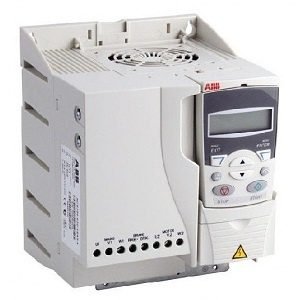
AC Drives 18,169 Products
-
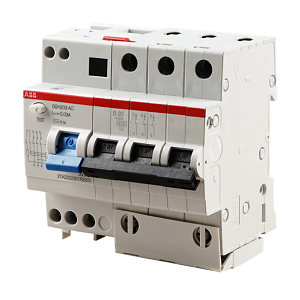
Circuit Breakers2,227 Products
-
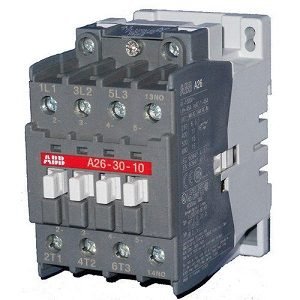
Contactors567 Products
-
Control Valve238 Products
-

Counters78 Products
-

Encoder117 Products
-
Fanuc Main Board1,376 Products
-
Flow Transmitter (Flow meter)552 Products
-
HMI/Touch Screen594 Products
-
Industrial Device Servers125 Products
-
Inverter914 Products
-

Network/Signal2 Products
-

Others4,501 Products
-
Power Supply220 Products
-
Pressure Transmitter146 Products
-
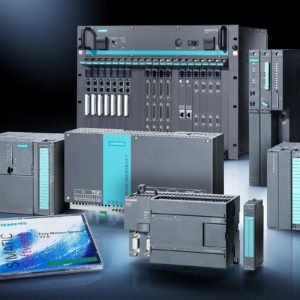
Programmable Logic Controller (PLC)6,295 Products
-
Relay927 Products
-
Sensor2,221 Products
-
Servo Motors & Motor Drives5,037 Products
-
Switch897 Products
-

Timer93 Products
-

Uncategorized1,154 Products
-
Variable Frequency Drives (VFD)255 Products
-
Yokogawa Remote Indicators16 Products
Leave a Reply