
PLC Applications in AI Data Centers: Intelligent Control for Mission-Critical Infrastructure
AI data centers place unprecedented demands on power distribution, thermal management, and operational reliability. Programmable Logic Controllers (PLCs) provide deterministic, real-time control that helps operators maintain uptime, optimize energy consumption, and automate critical infrastructure. This guide explains how PLCs are used in AI data centers, their integration with SCADA, Building Management Systems (BMS), and Industrial IoT platforms, and why they remain a foundational technology for next-generation digital infrastructure.
Artificial intelligence is reshaping the digital economy, and behind every large language model, recommendation engine, autonomous system, and enterprise AI platform lies a sophisticated data center designed for continuous operation. Unlike traditional enterprise server rooms, AI data centers operate at extremely high power densities, generate significant heat loads, and require exceptional levels of reliability.
Even a brief interruption can result in service outages, lost productivity, and substantial financial impact. Consequently, operators invest heavily in intelligent infrastructure capable of monitoring, controlling, and protecting every critical subsystem.
While cloud platforms, AI software, and GPU clusters receive much of the attention, the physical infrastructure depends on another technology that has quietly powered industrial facilities for decades: the Programmable Logic Controller (PLC).
Originally developed for manufacturing automation, PLCs now play an increasingly important role in mission-critical facilities by controlling cooling systems, electrical distribution equipment, fire protection, water treatment, backup power systems, and mechanical infrastructure. Their deterministic operation, exceptional reliability, and long operational lifespan make them ideal for environments where downtime is unacceptable.
This article explores how PLCs support AI data centers, the systems they control, implementation best practices, emerging trends, and why industrial automation is becoming an essential component of modern digital infrastructure.
Why AI Data Centers Require Industrial Automation
Artificial intelligence workloads differ dramatically from conventional computing. High-performance GPUs consume substantially more power than standard enterprise servers, often exceeding 80–150 kW per rack in advanced deployments. These systems also generate intense heat that must be removed continuously to prevent thermal throttling or hardware failure.
At the same time, operators must balance:
Maximum uptime
Energy efficiency
Equipment longevity
Cybersecurity
Regulatory compliance
Sustainability objectives
Traditional building automation alone is often insufficient for these requirements. Instead, AI data centers increasingly combine industrial automation technologies—including PLCs—with supervisory software, intelligent sensors, and predictive analytics. PLCs provide deterministic control that ensures essential systems respond immediately to changing operating conditions.
What Is a PLC and Why Is It Ideal for Data Centers?
A Programmable Logic Controller is an industrial-grade computer specifically engineered for real-time automation. Unlike conventional PCs, PLCs are designed to withstand electrical noise, temperature fluctuations, vibration, and continuous 24/7 operation.
Several characteristics make PLCs particularly well suited for mission-critical facilities:
High reliability
Fast deterministic response
Redundant controller configurations
Long product lifecycle
Extensive industrial communication support
Integration with thousands of field devices
Rather than replacing Building Management Systems (BMS), PLCs often work alongside them. The PLC performs real-time equipment control, while higher-level software provides visualization, reporting, analytics, and enterprise integration.
Core PLC Applications in AI Data Centers
Cooling System Automation
Cooling represents one of the largest operational expenses in an AI data center. Since AI processors generate tremendous heat, maintaining stable temperatures is essential for system reliability.
PLCs continuously monitor:
Supply air temperature
Return air temperature
Humidity
Chilled water temperature
Pump pressure
Flow rate
Valve position
Fan speed
Based on sensor inputs, PLCs automatically adjust:
Variable Frequency Drives (VFDs)
Cooling tower operation
Chiller sequencing
Pump control
Cooling valves
CRAH and CRAC units
This closed-loop control maintains precise environmental conditions while minimizing energy consumption.
Electrical Power Distribution
Power continuity is the lifeblood of every AI data center. PLCs supervise electrical infrastructure including:
Medium-voltage switchgear
Transformers
Automatic transfer switches
UPS systems
Backup generators
Power Distribution Units (PDUs)
When utility power fluctuates, PLCs coordinate automatic transitions to backup systems within predefined operating sequences.
Typical PLC functions include:
Load shedding
Generator synchronization
Breaker sequencing
Fault isolation
Power quality monitoring
These automated responses help prevent outages while protecting expensive computing equipment.
Intelligent Generator Management
Most hyperscale facilities include multiple standby generators.
PLCs manage:
Automatic startup
Fuel monitoring
Cooling systems
Lubrication systems
Engine diagnostics
Synchronization
Load balancing
Instead of relying solely on manual procedures, automation ensures backup generators operate immediately whenever utility power is interrupted.
UPS System Integration
Although UPS equipment contains its own embedded controllers, PLCs frequently coordinate the larger power ecosystem.
Functions include:
Battery room monitoring
Temperature supervision
Charger status
Bypass sequencing
Alarm management
Runtime estimation
This centralized control provides operators with greater visibility across the facility.
PLC Integration with SCADA, BMS, and DCIM
Modern AI data centers depend on multiple software platforms that share operational information. PLCs serve as the real-time control layer connecting physical equipment with supervisory systems.
Typical architecture includes:
Field sensors
PLC controllers
Industrial Ethernet
SCADA
Building Management System (BMS)
Data Center Infrastructure Management (DCIM)
Enterprise analytics
This layered approach enables operators to view thousands of operational parameters from a centralized control room while PLCs continue executing deterministic control logic locally.
Environmental Monitoring and Intelligent Sensing
Environmental conditions can change rapidly inside AI facilities. PLCs collect information from sensors measuring:
Temperature
Relative humidity
Differential pressure
Airflow
Water leakage
Smoke
Vibration
Air quality
If abnormal conditions occur, PLCs automatically initiate corrective actions before operators even receive alarms. For example, a leak detection system may trigger automatic valve closure while simultaneously notifying the operations team.
Fire Protection and Life Safety Systems
Mission-critical facilities incorporate multiple fire protection technologies.
PLCs help coordinate:
Smoke detection
Clean agent suppression
Fire pumps
Ventilation shutdown
Emergency exhaust
Alarm sequencing
Door control
Emergency lighting
Integration with fire detection systems enables rapid, coordinated responses that protect personnel and critical equipment.
Water Management for Advanced Cooling
Many AI facilities now employ liquid cooling technologies.
PLCs supervise:
Chilled water systems
Pump redundancy
Heat exchangers
Leak detection
Water treatment
Flow balancing
Cooling loops
Automation minimizes the risk of equipment damage while improving cooling efficiency.
Industrial Networking and Communication Protocols
Reliable communication is essential. Common protocols include:
Modbus TCP
EtherNet/IP
PROFINET
BACnet
OPC UA
MQTT
These protocols enable interoperability between PLCs, drives, sensors, meters, and supervisory software. Modern architectures increasingly emphasize secure network segmentation and encrypted communications to reduce cybersecurity risks.
Predictive Maintenance with PLC Data
PLCs continuously generate operational data that supports predictive maintenance initiatives.
Examples include:
Pump vibration trends
Motor current analysis
Fan performance
Valve travel
Temperature drift
Power quality
Instead of waiting for failures, operators can identify degradation early and schedule maintenance during planned service windows. This strategy reduces unplanned downtime while extending equipment life.
Cybersecurity Considerations
Because PLCs control critical infrastructure, cybersecurity has become a strategic priority.
Recommended practices include:
Network segmentation
Multi-factor authentication
Secure remote access
Firmware management
Role-based permissions
Continuous monitoring
Industrial firewall deployment
Routine vulnerability assessments
Security should be integrated throughout the automation lifecycle rather than added later.
Benefits of PLC-Based Automation in AI Data Centers
Organizations deploying PLC-based automation commonly realize measurable operational improvements.
Key advantages include:
Higher Availability
Deterministic control reduces the likelihood of infrastructure failures that could interrupt computing operations.
Better Energy Efficiency
Automation continuously optimizes cooling, airflow, and electrical distribution, reducing unnecessary energy consumption.
Improved Scalability
As AI infrastructure expands, PLC systems can be integrated with additional controllers and equipment without redesigning the entire control architecture.
Faster Fault Detection
Continuous monitoring enables rapid identification and isolation of abnormal operating conditions.
Simplified Maintenance
Real-time diagnostics reduce troubleshooting time and improve maintenance planning.
Regulatory Compliance
Automated monitoring supports documentation, reporting, and operational traceability required by many industries.
Future Trends
AI data centers continue evolving rapidly.
Emerging trends include:
Digital twins
AI-assisted infrastructure optimization
Edge computing
Autonomous facility management
Liquid immersion cooling
Software-defined infrastructure
Industrial IoT integration
Machine learning–driven predictive maintenance
Although these technologies introduce new capabilities, PLCs remain the deterministic control foundation connecting intelligent software with physical infrastructure.
Best Practices for Implementing PLCs in AI Data Centers
Successful implementations begin with careful planning.
Recommended practices include:
Select industrial-grade PLC platforms with long-term vendor support.
Design redundant controllers for critical applications.
Standardize communication protocols across facility systems.
Segment operational technology (OT) and information technology (IT) networks.
Use structured programming standards for maintainability.
Implement comprehensive alarm management.
Archive operational data for trend analysis.
Test failover sequences regularly.
Integrate PLC data into predictive maintenance platforms.
Train operations personnel on both automation and cybersecurity procedures.
A well-designed PLC architecture not only improves reliability today but also provides the flexibility needed for future AI infrastructure expansion.
As AI computing pushes the limits of power density, cooling performance, and operational reliability, industrial automation has become an indispensable part of modern data center design. PLCs provide the deterministic, high-availability control required to manage mission-critical infrastructure—from electrical distribution and cooling systems to fire protection and environmental monitoring.
Organizations investing in AI infrastructure should view PLCs not simply as machine controllers but as strategic assets that improve uptime, energy efficiency, operational visibility, and long-term scalability. When integrated with SCADA, BMS, DCIM, and Industrial IoT platforms, PLCs form the control backbone that enables resilient, intelligent, and future-ready AI data centers.
Frequently Asked Questions
1. What is a PLC in an AI data center?
A PLC is an industrial controller that automates and monitors critical infrastructure such as cooling, power distribution, generators, pumps, and environmental systems.
2. Why are PLCs important for AI data centers?
They provide deterministic, real-time control that helps maintain uptime, improve energy efficiency, and protect expensive computing equipment.
3. What systems do PLCs control in data centers?
PLCs commonly manage cooling systems, UPS equipment, backup generators, switchgear, pumps, chilled water systems, fire protection, and environmental monitoring.
4. How do PLCs work with SCADA and DCIM?
PLCs perform real-time equipment control, while SCADA and DCIM provide centralized monitoring, visualization, analytics, and reporting.
5. Which communication protocols are commonly used with PLCs?
Common protocols include Modbus TCP, EtherNet/IP, PROFINET, BACnet, OPC UA, and MQTT.
6. Can PLCs improve energy efficiency?
Yes. PLCs continuously optimize cooling, airflow, pump operation, and electrical systems, reducing unnecessary energy consumption.
7. Are PLCs suitable for hyperscale AI facilities?
Yes. Their reliability, scalability, redundancy options, and deterministic performance make them well suited for hyperscale and enterprise AI data centers.
8. How do PLCs support predictive maintenance?
They continuously collect operational data that can identify equipment degradation before failures occur, enabling planned maintenance.
9. What cybersecurity measures should protect PLC systems?
Best practices include network segmentation, secure remote access, firmware updates, industrial firewalls, continuous monitoring, and role-based access control.
10. What is the future of PLCs in AI data centers?
PLCs will continue serving as the real-time control layer while integrating more closely with AI analytics, digital twins, Industrial IoT platforms, and autonomous facility management.
Recommended Automation Pioneer Resources
To deepen your understanding of industrial automation, critical power infrastructure, and digital transformation, explore these related resources on Automation Pioneer:
- AI Data Centers
- AI Data Center Automation
- AI Data Centre Battery
- AI Data Center Cooling
- AI Data Center Power Distribution
- AI Data Center Sensors
- AI Data Center PLC
- AI Data Center Predictive Maintenance
- AI Data Center Energy Efficiency
- AI Data Centers Environmental Implications
- AI Data Center Safety Systems
- AI Data Center Components
These articles provide additional technical insight into the automation, networking, monitoring, and control technologies that underpin modern AI data centres and mission-critical industrial infrastructure.
Check Our Comprehensive Automation Brands Get Latest Industrial Automation NewsYour One-Stop Source for Reliable Automation & Process Control Equipment
Access trusted process control equipment, expert support, and fast sourcing—all in one place.
Check Our Comprehensive Industrial Automation Categories-
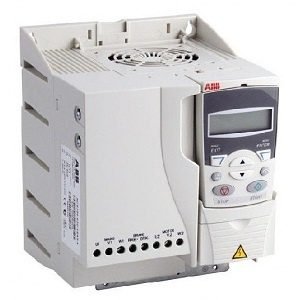
AC Drives 18,169 Products
-
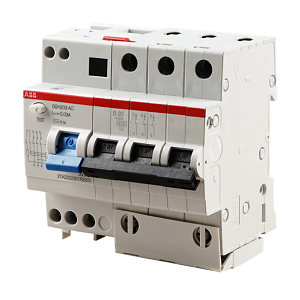
Circuit Breakers2,227 Products
-
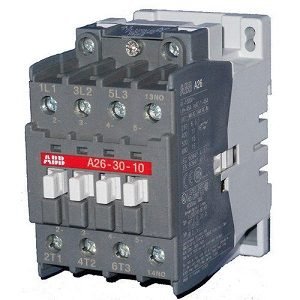
Contactors567 Products
-
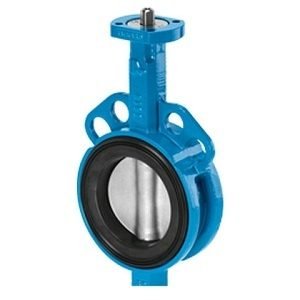
Control Valve238 Products
-

Counters78 Products
-

Encoder117 Products
-
Fanuc Main Board1,376 Products
-
Flow Transmitter (Flow meter)552 Products
-
HMI/Touch Screen594 Products
-
Industrial Device Servers125 Products
-
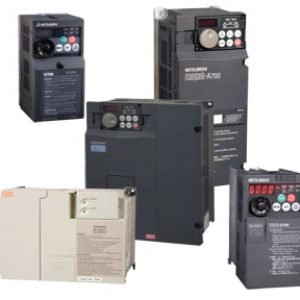
Inverter914 Products
-

Network/Signal2 Products
-

Others4,501 Products
-
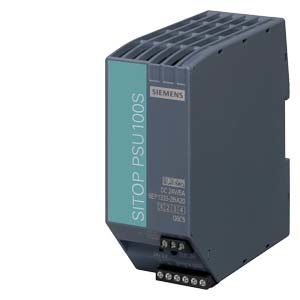
Power Supply220 Products
-
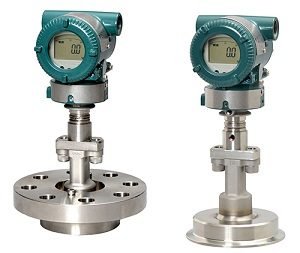
Pressure Transmitter146 Products
-
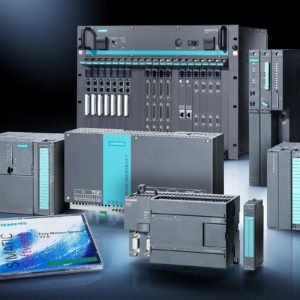
Programmable Logic Controller (PLC)6,295 Products
-
Relay927 Products
-
Sensor2,221 Products
-
Servo Motors & Motor Drives5,037 Products
-
Switch897 Products
-

Timer93 Products
-

Uncategorized1,154 Products
-
Variable Frequency Drives (VFD)255 Products
-
Yokogawa Remote Indicators16 Products
Leave a Reply