
Understanding Top Schneider Electric PLC Applications Across Manufacturing, Utilities & Process Industries: The Complete Guide to Reliable Industrial Automation
Explore Schneider Electric PLC applications across manufacturing, utilities and process industries, including Modicon PLCs for machines, motion, water, energy and process control.
 Explore Automation Solutions
Shop Process Control Equipment
Top Schneider Electric PLC Applications Across Manufacturing, Utilities & Process Industries
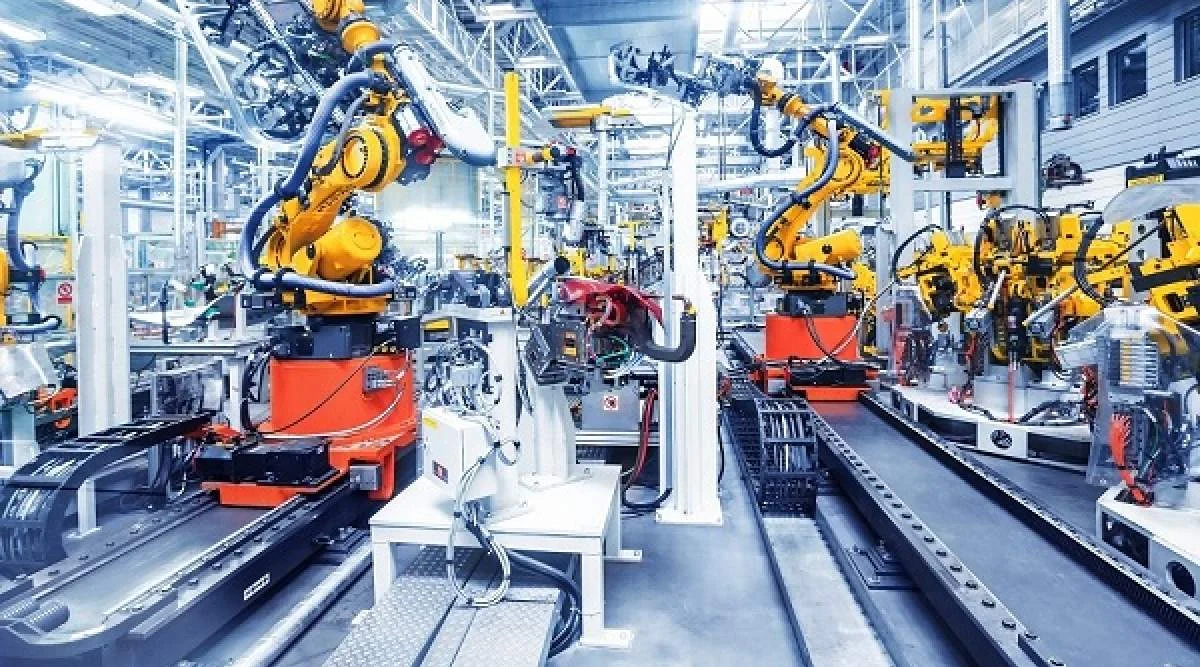
Schneider Electric PLCs, primarily built around the Modicon automation platform, are used across a broad range of machine-control, infrastructure, utility, and process applications. The portfolio spans compact machine controllers such as the Modicon M221 and M241 through higher-performance platforms such as the M340 and M580, with options for motion, distributed I/O, safety, networking, and industrial communications.
In practical terms, Schneider Electric PLC applications fall into three major areas: discrete manufacturing, utilities and infrastructure, and continuous or batch process industries. The right controller depends less on the brand name and more on the application requirements—such as I/O count, motion performance, redundancy, communications, environmental conditions, safety requirements, and the amount of process data that must be managed. For engineers and plant managers, the real value of Modicon PLC technology is its scalability: the same automation philosophy can extend from a relatively simple machine to a distributed process-control architecture.
What Are Schneider Electric PLCs and Where Are They Used?
Schneider Electric’s PLC portfolio is centered on the Modicon family. The range includes PLCs and programmable automation controllers (PACs) for industrial machines, process automation, infrastructure, motion control, safety, and distributed I/O. Schneider describes its current Modicon platform as supporting applications ranging from small automated machines to advanced machine automation and high-availability process applications. (Schneider Electric)
That breadth matters because industrial automation projects rarely fit into a single category. A packaging machine needs fast discrete control and motion coordination. A water-treatment facility needs reliable pump, valve, level, pressure, and flow control. A chemical plant may require a much larger controller architecture, extensive analog I/O, communications, safety functions, and high availability.
The controller therefore has to match the process.
Schneider Electric PLC Families for Different Applications
The Modicon range includes several controller classes, each aimed at a different level of automation.
The Modicon M221 is positioned for basic machine automation, while the M241 is intended for more performance-demanding machine applications. The M251 supports modular and distributed architectures, while the M262 is designed for IIoT-ready machine and motion applications.
For process and infrastructure control, the Modicon M340 provides a mid-range PAC platform, while the Modicon M580 extends the architecture into higher-performance process, safety, Ethernet, and high-availability applications.
That distinction is important when selecting equipment. A compact machine does not need the same controller architecture as a wastewater treatment plant, and a high-speed packaging system has very different control requirements from a refinery process.
Schneider Electric PLC Applications in Manufacturing
Manufacturing is one of the strongest application areas for Schneider Electric PLCs. Here, PLCs sit at the center of machine-control architectures, coordinating sensors, actuators, motors, drives, valves, HMIs, safety devices, and industrial networks.
Schneider Electric specifically positions Modicon PLCs for controlling equipment in plants and assembly lines, including precise robotic and mechanical actions.
The important point is that manufacturing automation is not simply about turning machines on and off. Modern production equipment must coordinate timing, motion, quality checks, safety interlocks, production recipes, diagnostics, and communications.
Assembly Line Automation
Assembly lines are a natural application for PLC technology because they depend on precisely sequenced operations.
A Schneider Electric PLC can coordinate conveyor movement, part detection, pneumatic cylinders, indexing systems, robotic stations, fastening equipment, inspection devices, and reject mechanisms.
For example, a production cell may use photoelectric sensors to detect a component entering the station. The PLC then verifies that the component is correctly positioned before commanding an actuator or robotic system to perform the next operation. If the sensor feedback does not match the expected condition, the PLC can stop the sequence and generate an alarm.
This approach provides deterministic control while also giving operators access to machine status through an HMI.
For a broader understanding of where PLC technology fits into production environments, Automation Pioneer also covers Industrial Automation in Manufacturing.
Packaging and Material Handling
Packaging equipment places particularly demanding requirements on automation controllers because production speed, synchronization, and repeatability directly affect throughput.
Typical applications include:
Filling machines
Cartoners
Case packers
Labeling machines
Palletizers
Conveyors
Sorting systems
Automated storage equipment
In these applications, the PLC coordinates sensors and actuators while motion controllers or integrated motion functionality manage synchronized axes.
Schneider Electric also offers Modicon motion controllers for applications such as synchronized axes, speed control, high-speed counting, and communication. Its motion platforms are used for applications including packaging, conveying, storage, and other machine-control systems.
CNC and Machine Tool Automation
Machine tools require accurate sequencing and reliable control of motors, drives, sensors, tooling systems, lubrication systems, and safety functions.
A PLC can manage auxiliary machine functions while coordinating with motion-control systems and other equipment.
Typical applications include:
CNC machining centers
Metal cutting machines
Grinding machines
Presses
Forming equipment
Automated tooling systems
The controller architecture becomes particularly important when the machine requires synchronized movement rather than simple sequential control.
Robotic and Motion-Control Applications
Modern manufacturing increasingly combines PLC control with robotics and servo systems.
A controller may coordinate:
Product detection
Robot positioning
Conveyor tracking
Servo motion
Machine sequencing
Safety interlocks
Quality inspection
Schneider’s Modicon range includes dedicated motion-control platforms designed for synchronized and interpolated motion, while the broader Modicon architecture supports integration with machine-control systems.
This makes Schneider PLC technology particularly relevant to OEMs building machines that must combine logic, motion, communications, and visualization.
Food and Beverage Manufacturing
Food and beverage plants require automation for both discrete machinery and process operations.
Applications include:
Mixing
Dosing
Filling
Bottling
CIP systems
Conveying
Packaging
Refrigeration
Water treatment
Utility systems
The PLC controls sequences and equipment while instrumentation provides the process measurements required to maintain production conditions.
In a batching application, for instance, the controller may verify ingredient availability, open the correct valves, monitor flow, control mixing time, and transfer the finished product to the next stage.
That combination of discrete and analog control is where a scalable PLC architecture becomes valuable.
Schneider Electric PLC Applications in Utilities and Infrastructure
Utilities present a different automation challenge. Instead of controlling one machine, the controller may have to manage a distributed collection of pumps, motors, valves, sensors, remote I/O stations, and communications equipment spread across a large facility or geographic area.
Schneider Electric identifies Modicon PAC platforms such as the M340 and M580 for industrial process and infrastructure control.
Water and Wastewater Treatment
Water and wastewater treatment is one of the clearest examples of PLC-based infrastructure automation.
A typical treatment plant may contain:
Raw-water pumps
Screening systems
Clarifiers
Chemical dosing equipment
Aeration systems
Sludge handling equipment
Filtration systems
Disinfection systems
Effluent pumps
The PLC receives signals from level transmitters, flow meters, pressure instruments, motor starters, valve position sensors, and other field devices. It then executes the control logic required to maintain the process.
For example, a wastewater lift station can use level measurements to control multiple pumps. The controller can alternate lead and lag pumps, respond to high-level conditions, detect equipment faults, and communicate operating information to a supervisory system.
Automation Pioneer maintains a dedicated Waste Water Automation resource for this broader application area.
Pumping Stations
Pumping stations require reliable sequencing and protection because equipment failures can interrupt critical services.
A PLC can control:
Pump start/stop sequences
Alternation logic
Pressure control
Level-based operation
Flow monitoring
Motor protection interfaces
Alarm conditions
Remote communications
Schneider Electric also identifies specific Modicon controllers for HVAC and pumping applications, demonstrating the breadth of the controller portfolio beyond traditional factory automation.
Electrical and Utility Infrastructure
PLC-based automation is also used in utility infrastructure for monitoring and controlling electrical and mechanical systems.
Applications can include:
Substation auxiliary systems
Generator controls
Pumping infrastructure
HVAC systems
Energy-management equipment
Facility utilities
In these environments, communications become increasingly important because the controller often needs to exchange information with SCADA, meters, drives, remote I/O, and supervisory systems.
HVAC and Building Utility Systems
Not every Schneider controller application is heavy industrial.
The Modicon M171/M172/M173 range is designed for HVAC, refrigeration, and pumping applications, with features intended for scheduling, occupancy sensing, analog control, and integration with building management systems.
This is a good example of why PLC selection should begin with the application rather than automatically choosing the largest controller available.
Schneider Electric PLC Applications in Process Industries
Process industries introduce another level of complexity because the process itself is continuous or batch-oriented.
Instead of simply moving a component from Station A to Station B, the automation system may need to continuously maintain temperature, pressure, flow, level, composition, or other variables.
Industries include:
Chemical processing
Oil and gas
Pharmaceuticals
Power generation
Mining and minerals
Pulp and paper
Food processing
Schneider Electric positions the Modicon M340 for industrial process and infrastructure control and the M580 for process, safety, Ethernet, and high-availability applications.
Chemical Process Automation
Chemical plants rely heavily on instrumentation and automated control.
A Schneider PLC or PAC can interface with:
Pressure transmitters
Temperature transmitters
Flow meters
Level instruments
Control valves
Pumps
Motors
Analytical instruments
The controller can execute sequences, interlocks, alarms, permissives, and process-control logic.
However, controller selection in chemical processing should never be based solely on I/O capacity. Engineers must also consider hazardous-area requirements, functional safety architecture, network design, cybersecurity, redundancy, and the specific process-control strategy.
Automation Pioneer provides additional instrumentation resources such as Industrial Instrumentation and Types of Pressure Transmitters.
Oil and Gas Automation
Oil and gas facilities operate with demanding requirements for reliability, process monitoring, safety, and remote communications.
PLC and PAC applications can include:
Pumping systems
Compressor packages
Tank farms
Pipeline systems
Water injection
Utility systems
Skid-mounted equipment
Process units
For larger process architectures, the M580 platform is positioned for high-performance process control, safety, and high-availability applications.
The controller is only one element, however. A serious oil and gas automation architecture also requires appropriate instrumentation, safety systems, network segmentation, cybersecurity controls, and supervisory monitoring.
Pharmaceutical Manufacturing
Pharmaceutical automation demands repeatability, traceability, and tight control of manufacturing conditions.
PLC applications can include:
Batch processing
Mixing
Cleaning systems
Water purification
HVAC
Packaging
Material handling
Environmental monitoring
Recipe management and data integrity become particularly important because production parameters may need to be recorded and associated with specific batches.
Power Generation and Energy Systems
Power-generation facilities use automation to control and monitor equipment such as pumps, fans, auxiliary systems, cooling systems, fuel-handling equipment, and balance-of-plant systems.
PLC applications often sit alongside larger supervisory and control architectures. The engineering objective is not simply to automate individual machines but to maintain stable operation across interconnected systems.
Schneider Electric PLCs for Motion, Safety and Distributed I/O
A modern PLC application rarely consists of a processor alone. The controller is part of an automation architecture that includes I/O, networking, motion control, safety, HMI, drives, and supervisory software.
Schneider Electric’s Modicon portfolio reflects this architecture through dedicated I/O, motion, safety, networking, and controller platforms.
Distributed I/O
Distributed I/O becomes valuable when field devices are physically separated from the main controller.
Instead of running every field wire back to one control cabinet, distributed I/O stations can be installed closer to equipment.
Schneider Electric’s Modicon Edge I/O NTS, for example, is designed for distributed I/O and data aggregation and can integrate with multiple Modicon controllers as well as third-party PLCs through supported industrial communication protocols. Schneider identifies applications including discrete manufacturing and continuous process industries.
Machine Safety
Safety automation requires a different design philosophy from ordinary machine control.
Safety PLCs and safety modules monitor functions such as:
Emergency stops
Guard doors
Light curtains
Safe motion
Safety interlocks
The safety system must be engineered according to the applicable machinery and functional-safety requirements rather than treated as an ordinary PLC program. Schneider’s Modicon portfolio includes dedicated safety controllers and modules.
Motion Control
High-speed machinery often requires coordinated motion rather than conventional sequential logic.
Motion applications include:
Packaging
Conveying
Robotics
Pick-and-place systems
Printing
Material handling
Metalworking
Schneider’s motion-control portfolio includes controllers designed for synchronized axes, positioning, velocity control, high-speed counting, and communication.
Connecting Schneider PLCs to SCADA, IIoT and Industrial Networks
The modern PLC increasingly serves as both a control device and a source of operational data.
Schneider Electric’s current PLC/PAC portfolio emphasizes connectivity, including Ethernet, communications, cybersecurity, and integration with higher-level systems. Schneider also offers OPC UA communication solutions for linking Modicon PLCs with industrial and IIoT environments.
PLC and SCADA Integration
A typical architecture may look like this:
Field devices → I/O → Modicon PLC/PAC → Industrial network → SCADA/HMI → Higher-level systems
The PLC handles real-time control. SCADA provides supervisory visualization and data collection. Higher-level systems can then use the information for production management, analytics, reporting, or enterprise applications.
Automation Pioneer also covers What Is SCADA System? as part of its broader industrial automation knowledge base.
Industrial Communication
Communication protocols are critical when integrating PLCs with drives, HMIs, remote I/O, instrumentation, and other controllers.
Modicon systems support a range of communication technologies depending on the controller and architecture. Schneider’s M340 documentation, for example, identifies Ethernet services, CANopen, Modbus serial communications, and compatibility with Modicon X80 modules.
For engineers designing or upgrading a control system, the communications architecture should be defined early—not added after the PLC has already been selected.
How to Choose the Right Schneider Electric PLC for an Application
The biggest mistake in PLC selection is choosing a controller based solely on processor speed or price.
Instead, start with the process.
1. Define the I/O Requirements
Determine the number and type of:
Digital inputs
Digital outputs
Analog inputs
Analog outputs
High-speed inputs
Specialty modules
Also calculate realistic expansion requirements.
2. Determine the Control Requirements
Ask whether the application requires:
Basic sequencing
PID control
Motion control
High-speed counting
Recipe management
Redundancy
Safety functions
Advanced diagnostics
3. Evaluate Communications
Identify every device that needs to communicate with the PLC.
That may include:
HMIs
SCADA
Drives
Remote I/O
Instruments
Robots
Vision systems
MES
Cloud or IIoT platforms
4. Consider the Operating Environment
Temperature, vibration, electrical noise, enclosure requirements, hazardous locations, and environmental conditions can all influence controller and I/O selection.
5. Plan for Lifecycle Support
A PLC is usually installed for years rather than months. Therefore, spare parts availability, engineering software, technician familiarity, documentation, cybersecurity, and migration options deserve serious consideration.
Automation Pioneer maintains a substantial Schneider PLC product category covering Schneider Electric PLCs and related components. Its current catalog includes more than 1,200 Schneider PLC listings and associated modules. (Automation Pioneer)
Why Schneider Electric PLCs Matter in Modern Industrial Automation
The strongest argument for Modicon is not that one controller can solve every automation problem. It cannot—and no credible automation engineer should claim otherwise.
The advantage is the scalable ecosystem.
A manufacturer can use a compact controller for a straightforward machine, move to a more capable controller for a complex machine, and use higher-performance PAC architectures for process or infrastructure applications. The surrounding ecosystem can then include distributed I/O, motion, safety, networking, visualization, and industrial communications.
That scalability is particularly useful for companies standardizing automation across multiple facilities.
Instead of designing every machine or plant from scratch, engineering teams can establish reusable standards for programming, communications, diagnostics, HMI design, I/O architecture, and maintenance.
The result is not merely a more automated factory. It is a more maintainable automation environment.
Frequently Asked Questions About Schneider Electric PLC Applications
1. What are Schneider Electric PLCs mainly used for?
Schneider Electric PLCs are used to monitor and control industrial machines, production lines, process equipment, utilities, infrastructure, and other automated systems. The Modicon range spans compact machine controllers through higher-performance PAC platforms for process and infrastructure applications.
2. Which Schneider PLC is best for manufacturing machines?
There is no single best Schneider PLC for every machine. The M221 is aimed at basic machine automation, while the M241, M251, and M262 address progressively more demanding machine-control, communications, distributed, IIoT, and motion requirements.
3. Which Schneider PLC is used for process control?
The Modicon M340 is positioned for mid-range industrial process and infrastructure control, while the M580 is designed for higher-performance process, safety, Ethernet, and high-availability applications.
4. Can Schneider PLCs control water and wastewater systems?
Yes. Schneider’s Modicon controllers can be applied to pumping, water, wastewater, and infrastructure automation, where PLCs can coordinate pumps, valves, level control, flow measurement, alarms, and communications. Schneider also identifies Modicon controllers specifically for pumping applications.
5. Can Schneider PLCs be used for motion control?
Yes. Schneider Electric offers dedicated Modicon motion controllers and platforms for synchronized axes, positioning, velocity control, high-speed counting, and applications such as packaging, conveying, and storage.
6. Can a Schneider PLC communicate with SCADA?
Yes. Schneider Electric PLC/PAC systems can be monitored by SCADA and other computer applications, and the current portfolio emphasizes connectivity and integration with centralized management and industrial communication systems.
7. What industries use Schneider Electric PLCs?
Schneider Electric PLCs are used across manufacturing, machine automation, utilities, water and wastewater, infrastructure, process industries, energy, and other industrial applications. The Modicon portfolio is explicitly positioned across machine, process, infrastructure, motion, and safety applications.
8. What is the difference between a Modicon PLC and a Modicon PAC?
The terminology depends on the product family and application. In Schneider Electric’s current portfolio, Modicon includes PLCs for machine control as well as PAC platforms for more advanced process and infrastructure applications. The distinction generally reflects application scale, processing requirements, architecture, I/O, communications, redundancy, and control functionality rather than simply processor size.
9. Are Schneider Electric PLCs suitable for Industry 4.0 applications?
Yes. Schneider Electric positions newer Modicon controllers as IIoT-ready and emphasizes connectivity, cybersecurity, industrial communications, and integration with higher-level digital systems.
10. How do I choose the right Schneider Electric PLC?
Start with the application requirements: I/O count, control complexity, motion requirements, communications, safety, redundancy, environmental conditions, expansion requirements, programming platform, and lifecycle support. The correct controller is the one that satisfies those requirements without creating unnecessary architectural complexity.
Final Takeaway
Schneider Electric PLC applications extend far beyond conventional machine sequencing. Modicon controllers can sit at the center of manufacturing machines, packaging lines, robotic systems, water and wastewater plants, pumping stations, utility infrastructure, and demanding process-control architectures.
The critical decision is not simply whether to use a Schneider PLC. It is which Modicon architecture fits the process, how the controller should communicate with the rest of the automation system, and what the plant will need five, ten, or fifteen years after commissioning.
For industrial buyers, OEMs, system integrators, and maintenance teams, that is where proper PLC selection becomes a strategic engineering decision rather than a simple component purchase.
Automation Pioneer provides Schneider Electric PLCs, modules, and related industrial automation components for machine, manufacturing, process, energy, and infrastructure applications.
Recommended Automation Pioneer Resources
To deepen your understanding of industrial automation, critical power infrastructure, and digital transformation, explore these related resources on Automation Pioneer:
- PLCs & Controllers
- Schneider Electric Programmable Logic Controllers (PLCs)
- Schneider Electric Modicon PLC
- Schneider Electric PLC Programming
- Schneider Electric PLC Software
- Schneider Electric PLC vs. Siemens PLC
- Schneider Electric PLC Communication Protocols
- Schneider Electric PLC Troubleshooting
- Schneider Electric PLC Applications
- Schneider Electric PLC Buying Guide
- Schneider Electric PLC Accessories
These articles offer additional technical insights into the automation, networking, monitoring, and control technologies that support modern industrial automation and mission-critical infrastructure.
Check Our Comprehensive Automation Brands Get Latest Industrial Automation NewsYour One-Stop Source for Reliable Schneider Electric PLCs, Industrial Automation & Process Control Equipment
Access trusted Schneider Electric PLCs process control equipment, expert support, and fast sourcing—all in one place.
Check Our Comprehensive Omron Programmable Logic Controllers (PLCs)- Schneider Drop Location 520402000 Tap Terminator For Unused Drop Location $250.00Add to cart
- Schneider TM2ARI8HT Modicon M238 Analog Expansion Module $396.00Add to cart
- Schneider 110XCA20300 Modbus Plus D-shell Adaptor $140.00Add to cart
- Schneider 110XCA20400 Modbus Plus D-shell Adapter $88.00Add to cart
- Schneider 140AMM09000 Analog Input Output Combination Module $1,500.00Add to cart
- Schneider 140ARI03010 Modicon Quantum Analogue Input Module $3,300.00Add to cart
- Schneider 140CFU08000 Wickmann Fuse Kit $298.00Add to cart
- Schneider 140CFU40000 Wickmann Fuse Kit $80.00Add to cart
- Schneider 140CFX00210 Fuse Replacement Jumper $252.00Add to cart
- Schneider 140CHS11000Read more
- Schneider 140CPS11100 Modicon PLC Power Supply Module $820.00Add to cart
- Schneider 140CPS11420 PLC Power Supply Module 115/230 VAC $860.00Add to cart
- Schneider 140CPS21100 PLC Standalone Power Supply Module $850.00Add to cart
- Schneider 140CPS41400 Modicon Quantum Power Supply Module $1,980.00Add to cart
- Schneider 140CPS42400 Modicon Quantum Power Supply Module $2,130.00Add to cart
- Schneider 140CPS51100 PLC Standalone Power Supply Module $810.00Add to cart
- Schneider 140CPS52400 PLC Input Power Supply Module $1,988.00Add to cart
- Schneider 140CPU11302Read more
- Schneider 140CPU31110Read more
- Schneider 140CPU43412ARead more
- Schneider 140CRA21110 Distributed I/O Drop Interface Module $1,520.00Add to cart
- Schneider 140CRA21120 Distributed I/O Drop Interface Module $1,560.00Add to cart
- Schneider 140CRA31200 Ethernet RIO Drop E/IP 1CH Adaptor Module $2,080.00Add to cart
- Schneider 140CRA93100 PLC Remote I/O Interface Adaptor Module $2,100.00Add to cart
- Schneider 140CRP81100Read more
- Schneider 140DAI54000 PLC Isolated Discrete Input Module $630.00Add to cart
- Schneider 140DAI54300 VAC Discrete Input Module $670.00Add to cart
- Schneider 140DAI74000 PLC VAC Discrete Input Module $970.00Add to cart
- Schneider 140DAO84010 AC Discrete Output Module $820.00Add to cart
- Schneider 140DD035300 PLC Relay Discrete Output Module $990.00Add to cart
- Schneider 140DDI36400 Low Voltage DC Discrete Input Module $1,560.00Add to cart
- Schneider 140DDI85300 PLC DC Discrete Input Module $990.00Add to cart
- Schneider 140DDO15310 TTL Discrete Output Module $970.00Add to cart
- Schneider 140DDO84300 PLC DC Digital Output Module $898.00Add to cart
- Schneider 140DRA84000 PLC Relay Discrete Output Module $890.00Add to cart
- Schneider 140EHC20200 High Speed Counter Module $2,200.00Add to cart
- Schneider 140NOA62200 INTERBUS Master Module $2,450.00Add to cart
- Schneider 140NOE77100Read more
- Schneider 140NOE77101 PLC Ethernet Network TCP/IP Module $2,250.00Add to cart
- Schneider 140NOE77111 Ethernet Network TCP/IP Module $2,055.00Add to cart
- Schneider 140NOM21200 DIO Head-End Adaptor Inferface Module $2,100.00Add to cart
- Schneider 140NRP95400 Fiber Optic Repeater Module $2,680.00Add to cart
- Schneider 140XBE10000 Modicon Quantum PLC Backplane Expander $695.00Add to cart
- Schneider 140XBP00300 Modicon Quantum PLC Racks Backplane $400.00Add to cart
- Schneider 140XBP00600 Quantum PLC Rack Backplane Module $420.00Add to cart
- Schneider 140XCA71706 PLC Backplane Extender Cable 2M Long $195.00Add to cart
- Schneider 140XCP40100 PLC 19 Inch Front Rail Mounting Bracket $410.00Add to cart
- Schneider 140XCP51000 PLC Quantum Discrete I/O Module $95.00Add to cart
- Schneider 140XTS00200 PLC Screw Terminal Strip/Block $75.00Add to cart
- Schneider 140XTS00206 Quantum Module CableFast System Cable $230.00Add to cart
- Schneider 140XTS01212 PLC Quantum Cable Fast Connection $340.00Add to cart
- Schneider 170AAI03000 PLC Analog Input Module $950.00Add to cart
- Schneider 170AAI14000 PLC Analog Input Base Module $945.00Add to cart
- Schneider 170AAI52040 PLC Analogue Input Base Module $900.00Add to cart
- Schneider 170AAO12000 Modicon Momentum Analog Output Module $1,010.00Add to cart
- Schneider 170AAO92100 PLC Analogue Output Base Module $870.00Add to cart
- Schneider 170AD035000 TSX Momentum I/O Base Module $420.00Add to cart
- Schneider 170ADI34000 Discrete Inputs Base DC PLC Module $342.00Add to cart
- Schneider 170ADI35000 PLC Discrete Inputs Base DC Module $385.00Add to cart
- Schneider 170ADI54050 PLC Discrete Inputs Base AC $580.00Add to cart
- Schneider 170ADM35010 Discrete Solid State I/O Base DC Module $398.00Add to cart
- Schneider 170ADM35011 Discrete Solid State I/O Base DC 8B-2020-W29 $560.00Add to cart
- Schneider 170ADM37010 Discrete Solid State I/O Base DC Module $480.00Add to cart
- Schneider 170ADM69051 Discrete Triac I/O Base AC Module $650.00Add to cart
- Schneider 170ADO34000 PLC Discrete Output Base DC Module $410.00Add to cart
- Schneider 170ADO35000 PLC Discrete Output Base DC Module $420.00Add to cart
- Schneider 170ADO54050 PLC Discrete Output Base AC Module $870.00Add to cart
- Schneider 170AEC92000 High Speed Counter Base Module Base 6 I / 4 O $820.00Add to cart
- Schneider 170AMM0900 PLC Analog Discrete I/O Base Module $920.00Add to cart
- Schneider 170AMM09000 PLC Analog Discrete I/O Module $920.00Add to cart
- Schneider 170ANR12090 Analog Discrete I/O Base Module 8B-2020-W30 $1,120.00Add to cart
- Schneider 170ANR12091 Analogue Discrete I/O Base Module $3,600.00Add to cart
- Schneider 170DNT11000 PLC Profibus DP Communication Adapter $1,080.00Add to cart
- Schneider 170ENT11001 PLC Momentum Ethernet TCP/IP Adapter $570.00Add to cart
- Schneider 170ENT11002 PLC Momentum Ethernet TCP/IP Adapter $330.00Add to cart
- Schneider 170INT11000 PLC Interbus Communication Adaptor $260.00Add to cart
- Schneider 170INT11003 PLC Analog I/O Interbus Adaptor Module $410.00Add to cart
- Schneider 170MCI00700 PLC Interbus (I/O Bus) Cable $95.00Add to cart
- Schneider 170NEF11021 Modbus Plus Communication Adaptor $390.00Add to cart
- Schneider 170PNT11020 PLC Modbus Plus Communication Adapter $350.00Add to cart
- Schneider 170PNT16020 Modbus Plus Communication Adaptor $585.00Add to cart
- Schneider 170XTS00100 PLC Discrete I/O Base Terminal Block $78.00Add to cart
- Schneider 170XTS02100 Modbus Plus RJ45 Line Terminator $30.00Add to cart
- Schneider 171CCS70010 PLC M1/M1E Processor Adapter $480.00Add to cart
- Schneider 171CCS78000 PLC M1/M1E Processor Adapter $520.00Add to cart
- Schneider 4-Slot Backplane 140XBP00400Read more
- Schneider 416NHM30030Read more
- Schneider 416NHM30030ARead more
- Schneider 467NHP81100Read more
- Schneider 490NAE91100 Junction Box Interface Module $930.00Add to cart
- Schneider 490NRP95400Read more
- Schneider 520480000 Right-angle F Adaptor For Semi-Rigid Cable $160.00Add to cart
- Schneider 600545000 Modicon Quantum Ground Block $290.00Add to cart
- Schneider 990NAA26320 PLC Programable Connecting Cable $292.00Add to cart
- Schneider ABE7B20MPN20 Passive Discrete I/O Sub-Base PLC $250.00Add to cart
- Schneider ABE7CPA02 PLC Interface Connection Module $195.00Add to cart
- Schneider ABE7CPA03 PLC Connection Sub-Base Module $350.00Add to cart
- Schneider ABE7CPA410 Connection Sub-Base Analogue Channels $485.00Add to cart
- Schneider ABE7E16EPN20 Passive discrete I/O Sub-Base PLC $152.00Add to cart
- Schneider ABE7H16R10 Interface Module Connection Sub-Base $100.00Add to cart
- Schneider ABE7H16R11 Passive Discrete I/O Sub-Base Module $130.00Add to cart
- Schneider ABE7H16R20 Passive Discrete I/O Sub-Base Module $140.00Add to cart
- Schneider ABE7H16R23 PLC Passive Discrete I/O Sub-Base Module $350.00Add to cart
- Schneider ABE7H16R31 Passive Connection I/O Sub-Base Module $198.00Add to cart
- Schneider ABE7H16R50 PLC Passive Discrete I/O Sub-Base Module $175.00Add to cart
- Schneider ABE7H16S21 Passive Discrete I/O Sub-Base Module $180.00Add to cart
- Schneider ABE7H16S43 Interface Connection Sub-Base Module $356.00Add to cart
- Schneider ABE7H20E100 Passive Connection I/O Sub-Base Module $110.00Add to cart
- Schneider ABE7P16T111 PLC Sub-Base Relay I/O Module $260.00Add to cart
- Schneider ABE7R16S111 Electromechanical Output Relay Sub-Base $300.00Add to cart
- Schneider ABE7R16S210 Electromechanical Output Relay Sub-Base $310.00Add to cart
- Schneider ABFT20E050 PLC Discrete I/O Connection Cable $54.00Add to cart
- Schneider ABFT20E100 Discrete I/O Connecting Cable 1M Long $65.00Add to cart
- Schneider ABFT20E200 Discrete I/O Connecting Cable 2M Long $70.00Add to cart
- Schneider ABFT26B050 PLC CPU Discrete I/O Connecting Cable $60.00Add to cart
- Schneider ABFT26B100 PLC CPU Discrete I/O Connecting Cable $60.00Add to cart
- Schneider ABFT26B200 PLC CPU Discrete I/O Connecting Cable $72.00Add to cart
- Schneider ABL8BBU24200 Power Supply Battery Control Module $548.00Add to cart
- Schneider ABR1S611F Electromechanical Output Interface ModuleRead more
- Schneider ABS2SA01MB PLC Output Interface Module $198.00Add to cart
- Schneider Adaptor F/BNC for RG-11 Cable 520614000 $25.00Add to cart
- Schneider AM-SA85-002Read more
- Schneider Analog Expansion Module TM2AMI4HTN $260.00Add to cart
- Schneider Analog Expansion Module TM2AMO2HTN $250.00Add to cart
- Schneider Analog Input Module TSXAEY800Read more
- Schneider Analog Output Module 140AVO02000 $810.00Add to cart
- Schneider ASCII Serial Link Module 140ESI06210Read more
- Schneider Backplane Expander Cable 140XCA71709 – 3M Long $220.00Add to cart
- Schneider BMECRA31210 Modicon X80 Ethernet RIO Drop Adaptor $1,190.00Add to cart
- Schneider BMECXM0100 CANopen Communication Module $2,400.00Add to cart
- Schneider BMEH584040 Ethernet PLC CPU Processor Module $6,500.00Add to cart
- Schneider BMEH584040C PLC CPU Processor Redundant Module $18,800.00Add to cart
- Schneider BMEH584040K PLC CPU Processor Redundant Module $26,800.00Add to cart
- Schneider BMENOC0301 Ethernet Communication Module $1,650.00Add to cart
- Schneider BMENOC0301C EtherNet Network Module (BMENOC0301C) $1,850.00Add to cart
- Schneider BMENOC0321 EtherNet Network Module (BMENOC0321) $2,480.00Add to cart
- Schneider BMENOS0300C Network Option Switch Modicon X80 $1,300.00Add to cart
- Schneider BMEP581020 Modicon M580 Processor Module $3,250.00Add to cart
- Schneider BMEP581020H Ethernet PLC CPU Processor Module $4,500.00Add to cart
- Schneider BMEP582040 Modicon M580 Processor Module $5,640.00Add to cart
- Schneider BMEP583020 Processor Module Modicon M580 $5,990.00Add to cart
- Schneider BMEP584040 Processor Communication PLC Module $8,800.00Add to cart
- Schneider BMXAMI0800 Modicon X80 PLC Analog Input Module $640.00Add to cart
- Schneider BMXAMI0810 Modicon X80 PLC Analog Input Module $660.00Add to cart
- Schneider BMXAMM0600 PLC Mixed Analog I/O Module $590.00Add to cart
- Schneider BMXAMM0600H Analog Input Output Module $900.00Add to cart
- Schneider BMXAMO0210 Modicon X80 Analog Output Module $402.00Add to cart
- Schneider BMXAMO0410 Modicon X80 Analog Output Module $800.00Add to cart
- Schneider BMXAMO0802 Modicon X80 Analog Output Module $825.00Add to cart
- Schneider BMXART0414 Modicon X80 Analog Input Module $560.00Add to cart
- Schneider BMXART0814 PLC Modicon X80 Analog Input Module $758.00Add to cart
- Schneider BMXCPS2000 PLC Power Supply Module $315.00Add to cart
- Schneider BMXCPS2010 PLC Power Supply Module $230.00Add to cart
- Schneider BMXCPS3020 DC Power Supply Modicon X80 Module $800.00Add to cart
- Schneider BMXCPS4002 Power Supply Module Modicon X80 $1,700.00Add to cart
- Schneider BMXCPS4002H Power Supply Module Modicon X80 $2,780.00Add to cart
- Schneider BMXCRA31210 Modicon X80 CRA Ethernet Drop Adapter $1,190.00Add to cart
- Schneider BMXDAI1604H Digital Input Module (BMXDAI1604H) $450.00Add to cart
- Schneider BMXDAO1605 Discrete Triac Output Module $430.00Add to cart
- Schneider BMXDDI1602 Modicon X80 PLC Discrete Input Module $200.00Add to cart
- Schneider BMXDDI3202K Modicon X80 PLC Discrete Input Module $400.00Add to cart
- Schneider BMXDDI6402K Discrete Input Module (BMXDDI6402K) $800.00Add to cart
- Schneider BMXDDM16025 Modicon X80 Discrete I/O Module $405.00Add to cart
- Schneider BMXDDM3202K Modicon X80 PLC Discrete I/O Module $465.00Add to cart
- Schneider BMXDDO1602 PLC Modicon X80 Discrete Output Module $210.00Add to cart
- Schneider BMXDDO1612 PLC Discrete Input/Output Module $698.00Add to cart
- Schneider BMXDDO3202K Modicon X80 Discrete Output Module $420.00Add to cart
- Schneider BMXDDO6402K PLC Discrete Output Module $530.00Add to cart
- Schneider BMXDRA1605 Modicon X80 Discrete Output Module $650.00Add to cart
- Schneider BMXEHC0200 Modicon M340 High Speed Counter Module $595.00Add to cart
- Schneider BMXEHC0800 High Speed Counter Module $820.00Add to cart
- Schneider BMXEIA0100 Discrete Analog Input Output Module $850.00Add to cart
- Schneider BMXFCA150 PLC Preformed Cordset Connection Cable $128.00Add to cart
- Schneider BMXFCC053 PLC Preformed Cordset Connecting Cable $96.00Add to cart
- Schneider BMXFCC303 PLC Preformed Cordset Connector $125.00Add to cart
- Schneider BMXFCW301S Preformed Cordset Expansion Module $80.00Add to cart
- Schneider BMXFCW303 Preformed Cordset Cable 3M Long $78.00Add to cart
- Schneider BMXFCW501S PLC Preformed Cordset Connecting Cable $210.00Add to cart
- Schneider BMXFTB2000 PLC Removable Connection Terminal Block $36.00Add to cart
- Schneider BMXFTB2820 PLC 28-Way Removable Spring Terminal Block $40.00Add to cart
- Schneider BMXFTW501S Shielded Preformed Cordset 5M Long $200.00Add to cart
- Schneider BMXNOE0100 Ethernet TCP/IP Network Module $897.00Add to cart
- Schneider BMXNOE0110 PLC Ethernet TCP/IP Network Module $1,502.00Add to cart
- Schneider BMXNOM0200 PLC Serial Links Communication Module $695.00Add to cart
- Schneider BMXP341000 PLC Central Processing Unit Module $610.00Add to cart
- Schneider BMXP342000 Modicon M340 Processor Unit $595.00Add to cart
- Schneider BMXP3420102 Modicon M340 Processor Module $1,220.00Add to cart
- Schneider BMXP3420302 PLC Processor Processor Module $1,370.00Add to cart
- Schneider BMXPRA0100 PLC Remote I/O Adaptor Module $960.00Add to cart
- Schneider BMXXBE1000 Backplane Expander Extension Module $300.00Add to cart
- Schneider BMXXBE2005 PLC Modicon M340 Backplane Extender Kit $650.00Add to cart
- Schneider BMXXBP0400 Modicon M340 Backplane Rack $200.00Add to cart
- Schneider BMXXBP0800 PLC Backplane Rack 8 Bus X $250.00Add to cart
- Schneider BMXXBP1200 Modicon M340 PLC Rack Backplane $298.00Add to cart
- Schneider BMXXCAUSBH018 PLC Terminal port/USB Cordset $260.00Add to cart
- Schneider BMXXCAUSBH045 USB Grounded Programming Cable $240.00Add to cart
- Schneider BMXXTSCPS10 Power Supply Screw Terminal Block Set $220.00Add to cart
- Schneider BMXXTSCPS20 Power Supply Terminal Block Set $208.00Add to cart
- Schneider BMXXTSHSC20 PLC Connector Kit Counter Module $150.00Add to cart
- Schneider BNC In-line Terminator 600513000 $230.00Add to cart
- Schneider Cartridge M221 Communication Extension TMC2SL1 $160.00Add to cart
- Schneider Chassis Base TSXRKY8Read more
- Schneider Coax Cable Cutter 600558000Read more
- Schneider Compact I/O Expansion Block TM5C24D18T $420.00Add to cart
- Schneider Compact PLC Base TWDLCDA40DRFRead more
- Schneider Configurable SRAM Memory Extension TSXMRPC002MRead more
- Schneider Connecting Cable 110XCA28202Read more
- Schneider Connecting Cable 110XCA28203 – 6M Long $199.00Add to cart
- Schneider Connection Cord Set Cable 110XCA28201Read more
- Schneider Control Module TSXDEY32D2KRead more
- Schneider Counter Module TSXCTY4ARead more
- Schneider Crimping Tool for F Connector on RG-6 Cable 600544000 $360.00Add to cart
- Schneider DC Discrete Output Module 140DDO35301 $895.00Add to cart
- Schneider DC Discrete Output Module 140DDO35310 $910.00Add to cart
- Schneider Digital Input Module Kit STBDDI3725KS $205.00Add to cart
- Schneider Digital Input Module TM5SDI2D $50.00Add to cart
- Schneider Digital Output Module TM5SDO2T $60.00Add to cart
- Schneider DIO Drop Interface I/O Module 140CRA21210 $980.00Add to cart
- Schneider Discrete I/O Module 140DDM69000Read more
- Schneider Discrete I/O Module BMXDDM16022 $320.00Add to cart
- Schneider Discrete I/O Module TSXDMY28FKRead more
- Schneider Discrete Input Module BMXDAI1602 $340.00Add to cart
- Schneider Discrete Output Module 140DAO85300 $920.00Add to cart
- Schneider Discrete Output Module TM2DDO16UK $211.00Add to cart
- Schneider Discrete Output Module TM2DDO32UK $350.00Add to cart
- Schneider Discrete Output Module TM2DDO8UT $140.00Add to cart
- Schneider Discrete Output Module TSXDSZ32T2Read more
- Schneider Discrete Relay I/O Base Module 170ADM39030 $295.00Add to cart
- Schneider Discrete Relay I/O Base Module 170ADM85010 $520.00Add to cart
- Schneider Discrete Relay I/O Base Module 170ARM37030 $320.00Add to cart
- Schneider Double-format PL7 Processor TSXP572823MRead more
- Schneider Electric 110XCA28202Read more
- Schneider Electric 140ACI03000CRead more
- Schneider Electric 140ACI04000CRead more
- Schneider Electric 140ACO02000CRead more
- Schneider Electric 140ACO13000CRead more
- Schneider Electric 140ARI03010CRead more
- Schneider Electric 140ATI03000CRead more
- Schneider Electric 140AVI03000CRead more
- Schneider Electric 140AVO02000CRead more
- Schneider Electric 140CPS12400Read more
- Schneider Electric 140CPS12420CRead more
- Schneider Electric 140CPS21400CRead more
- Schneider Electric 140CPS22400CRead more
- Schneider Electric 140CPU31110CRead more
- Schneider Electric 140CPU67060Read more
- Schneider Electric 140CPU67060CRead more
- Schneider Electric 140CPU67160CRead more
- Schneider Electric 140CPU67160SRead more
- Schneider Electric 140CPU67261CRead more
- Schneider Electric 140CRA31908Read more
- Schneider Electric 140CRA93200CRead more
- Schneider Electric 140DAI54000CRead more
- Schneider Electric 140DAI54300CRead more
- Schneider Electric 140DAI55300CRead more
- Schneider Electric 140DAM59000CRead more
- Schneider Electric 140DAO84000CRead more
- Schneider Electric 140DAO84010CRead more
- Schneider Electric 140DAO84210CRead more
- Schneider Electric 140DAO85300CRead more
- Schneider Electric 140DDI15310Read more
- Schneider Electric 140DDI15310CRead more
- Schneider Electric 140DDI35300CRead more
- Schneider Electric 140DDI35310CRead more
- Schneider Electric 140DDI36400CRead more
- Schneider Electric 140DDI84100CRead more
- Schneider Electric 140DDI85300CRead more
- Schneider Electric 140DDM69000CRead more
- Schneider Electric 140DDO35300CRead more
- Schneider Electric 140DDO35301CRead more
- Schneider Electric 140DDO36400Read more
- Schneider Electric 140DDO36400CRead more
- Schneider Electric 140DDO84300CRead more
- Schneider Electric 140DDO88500Read more
- Schneider Electric 140DRA84000CRead more
- Schneider Electric 140DRC83000CRead more
- Schneider Electric 140DSI35300Read more
- Schneider Electric 140DSI35300CRead more
- Schneider Electric 140DVO85300Read more
- Schneider Electric 140DVO85300CRead more
- Schneider Electric 140ERT85420Read more
- Schneider Electric 140NRP31200Read more
- Schneider Electric 140SAI94000SRead more
- Schneider Electric 140SDO95300SRead more
- Schneider Electric 140XBP01000CRead more
- Schneider Electric 140XCP40200Read more
- Schneider Electric 140XTS00100Read more
- Schneider Electric 140XTS00209Read more
- Schneider Electric 140XTS01203Read more
- Schneider Electric 170FNT11001Read more
- Schneider Electric 170XTS00601Read more
- Schneider Electric 170XTS00801Read more
- Schneider Electric 170XTS00900Read more
- Schneider Electric 490NAA27102Read more
- Schneider Electric 490NAC0100 Hot Standby Copper Adapter $350.00Add to cart
- Schneider Electric 490NAD91104Read more
- Schneider Electric 490NTC00080URead more
- Schneider Electric 490NTW00002URead more
- Schneider Electric 490NTW00012URead more
- Schneider Electric 490NTW00080URead more
- Schneider Electric 490RIO0C411Read more
- Schneider Electric 975750000Read more
- Schneider Electric 975951000Read more
- Schneider Electric 990NAA21510Read more
- Schneider Electric 990NAD21110Read more
- Schneider Electric 990NAD21910Read more
- Schneider Electric 990NAD21930Read more
- Schneider Electric 990NAD23010Read more
- Schneider Electric 990NAD23011Read more
- Schneider Electric ABE7CPA01Read more
- Schneider Electric ABE7FU100Read more
- Schneider Electric ABE7FU200Read more
- Schneider Electric ABFH20H100Read more
- Schneider Electric ABFM32H300Read more
- Schneider Electric ABFTE20EP100Read more
- Schneider Electric ABFY25S300Read more
- Schneider Electric ABR7S23Read more
- Schneider Electric ABS7EC3B2Read more
- Schneider Electric ASI20MACC2Read more
- Schneider Electric ASMBII003Read more
- Schneider Electric ASMBPL001Read more
- Schneider Electric BMEAHO0412Read more
- Schneider Electric BMECRA31210C Ethernet Adaptor Module $1,650.00Add to cart
- Schneider Electric BMEH582040Read more
- Schneider Electric BMEH582040CRead more
- Schneider Electric BMEH582040KRead more
- Schneider Electric BMEH586040Read more
- Schneider Electric BMEH586040CRead more
- Schneider Electric BMENOC0311CRead more
- Schneider Electric BMENOC0321CRead more
- Schneider Electric BMENOP0300Read more
- Schneider Electric BMENOP0300CRead more
- Schneider Electric BMEP582020Read more
- Schneider Electric BMEP582020HRead more
- Schneider Electric BMEP582040H PLC CPU Input Output Module $7,040.00Add to cart
- Schneider Electric BMEP583040Read more
- Schneider Electric BMEP584020Read more
- Schneider Electric BMEP585040Read more
- Schneider Electric BMEP585040CRead more
- Schneider Electric BMEP586040Read more
- Schneider Electric BMEP586040CRead more
- Schneider Electric BMEXBP0400HRead more
- Schneider Electric BMEXBP0602HRead more
- Schneider Electric BMEXBP0800Read more
- Schneider Electric BMEXBP0800HRead more
- Schneider Electric BMEXBP1002Read more
- Schneider Electric BMXAMO0210HRead more
- Schneider Electric BMXAMO0410H Analog Output Module $820.00Add to cart
- Schneider Electric BMXART0414HRead more
- Schneider Electric BMXART0814HRead more
- Schneider Electric BMXCPS3500HRead more
- Schneider Electric BMXCPS3540TRead more
- Schneider Electric BMXCRA31200Read more
- Schneider Electric BMXCRA31210CRead more
- Schneider Electric BMXDAI0814Read more
- Schneider Electric BMXDAI1602HRead more
- Schneider Electric BMXDAI1603Read more
- Schneider Electric BMXDAI1603HRead more
- Schneider Electric BMXDAO1605HRead more
- Schneider Electric BMXDDI1602HRead more
- Schneider Electric BMXDDI1603Read more
- Schneider Electric BMXDDM16022HRead more
- Schneider Electric BMXDDO1602HRead more
- Schneider Electric BMXDDO1612HRead more
- Schneider Electric BMXDRA0804TRead more
- Schneider Electric BMXEAE0300Read more
- Schneider Electric BMXEHC0200HRead more
- Schneider Electric BMXEHC0800HRead more
- Schneider Electric BMXFCA500Read more
- Schneider Electric BMXFCC1001Read more
- Schneider Electric BMXFCC1003Read more
- Schneider Electric BMXFCC203Read more
- Schneider Electric BMXFCC301Read more
- Schneider Electric BMXFCC501Read more
- Schneider Electric BMXFCC503Read more
- Schneider Electric BMXFCW1001Read more
- Schneider Electric BMXFCW1003Read more
- Schneider Electric BMXFCW301Read more
- Schneider Electric BMXFCW501Read more
- Schneider Electric BMXFCW503Read more
- Schneider Electric BMXFTA152Read more
- Schneider Electric BMXFTW1001Read more
- Schneider Electric BMXFTW501Read more
- Schneider Electric BMXFTW508SRead more
- Schneider Electric BMXMSP0200Read more
- Schneider Electric BMXNOC0401Read more
- Schneider Electric BMXNOE0100HRead more
- Schneider Electric BMXNOE0110HRead more
- Schneider Electric BMXNOM0200HRead more
- Schneider Electric BMXNRP0200Read more
- Schneider Electric BMXNRP0201Read more
- Schneider Electric BMXP341000HRead more
- Schneider Electric BMXP342020H PLC CPU Processor Module $3,800.00Add to cart
- Schneider Electric BMXP3420302HRead more
- Schneider Electric BMXRMS004GPFRead more
- Schneider Electric BMXRMS128MPFRead more
- Schneider Electric BMXRWSB000MRead more
- Schneider Electric BMXRWSFC032MRead more
- Schneider Electric BMXXBC008KRead more
- Schneider Electric BMXXBC120KRead more
- Schneider Electric BMXXBP0400HRead more
- Schneider Electric BMXXBP1200HRead more
- Schneider Electric FTXCY1212Read more
- Schneider Electric HMIBMIEA5DD1101Read more
- Schneider Electric HMIBMIEA5DD1E01Read more
- Schneider Electric HMIBMOMA5DD1101Read more
- Schneider Electric HMIBMP0I74D2001Read more
- Schneider Electric HMIBMP0I74D4001Read more
- Schneider Electric HMIBMP0I74D400ARead more
- Schneider Electric HMIBMP0I74DI00ARead more
- Schneider Electric HMIBMPHI74D2801Read more
- Schneider Electric HMIBMPSI74D2801Read more
- Schneider Electric HMIBMPSI74D470LRead more
- Schneider Electric HMIBMPSI74D4801Read more
- Schneider Electric HMIBMU0I29D2001Read more
- Schneider Electric HMIBMU0I29D4001Read more
- Schneider Electric HMIBMU0I29D400ARead more
- Schneider Electric HMIBMU0I29DE00ARead more
- Schneider Electric HMIBMU0I29DI00ARead more
- Schneider Electric HMIBMUCI29D2W01Read more
- Schneider Electric HMIBMUCI29D4W01Read more
- Schneider Electric HMIBMUHI29D4801Read more
- Schneider Electric HMIBMUSI29D2801Read more
- Schneider Electric HMIBMUSI29D4801Read more
- Schneider Electric HMIBSCEA53D1L0TRead more
- Schneider Electric HMIBSU0ND1001Read more
- Schneider Electric HMIDID64DTD1Read more
- Schneider Electric HMIDID73DTD1Read more
- Schneider Electric HMIDM6421Read more
- Schneider Electric HMIDM6521Read more
- Schneider Electric HMIDM7421Read more
- Schneider Electric HMIDM9521Read more
- Schneider Electric HMIDMA521Read more
- Schneider Electric HMIDT351FCRead more
- Schneider Electric HMIDT542Read more
- Schneider Electric HMIDT551FCRead more
- Schneider Electric HMIDT642Read more
- Schneider Electric HMIDT651FCRead more
- Schneider Electric HMIDT732FCRead more
- Schneider Electric HMIG2URead more
- Schneider Electric HMIG5UL8BRead more
- Schneider Electric HMIGK5310Read more
- Schneider Electric HMIGTO1300FCWRead more
- Schneider Electric HMIGTO1310FCRead more
- Schneider Electric HMIGTO1310FWRead more
- Schneider Electric HMIGTO2300FCRead more
- Schneider Electric HMIGTO2300FWRead more
- Schneider Electric HMIGTO2315FWRead more
- Schneider Electric HMIGTO3510FCRead more
- Schneider Electric HMIGTO3510FCWRead more
- Schneider Electric HMIGTO5315FWRead more
- Schneider Electric HMIGTO6315FWRead more
- Schneider Electric HMIPEP0952D1001Read more
- Schneider Electric HMIPEPS952D1801Read more
- Schneider Electric HMIPPF6A2701Read more
- Schneider Electric HMIPPH6A2701Read more
- Schneider Electric HMIPSO0552D1001Read more
- Schneider Electric HMIPSO0752D1001Read more
- Schneider Electric HMIPSOC552D1W01Read more
- Schneider Electric HMIPSOH752D1801Read more
- Schneider Electric HMIPSP0752D1001Read more
- Schneider Electric HMIPSP0952D1001Read more
- Schneider Electric HMIPSPH752D1701Read more
- Schneider Electric HMIPSPS752D170LRead more
- Schneider Electric HMIPSPS952D1701Read more
- Schneider Electric HMIPSPS952D170LRead more
- Schneider Electric HMIPSPS952D1801Read more
- Schneider Electric HMIPSPS952D180LRead more
- Schneider Electric HMIPUC6A0E01Read more
- Schneider Electric HMIPUH6A0701Read more
- Schneider Electric HMIPUH6D0701Read more
- Schneider Electric HMIRSOHPA3W01Read more
- Schneider Electric HMIRSPFXA6701Read more
- Schneider Electric HMIRSPFXR6702Read more
- Schneider Electric HMIS5TRead more
- Schneider Electric HMIS65Read more
- Schneider Electric HMIS85WRead more
- Schneider Electric HMISACRead more
- Schneider Electric HMISCU6A5Read more
- Schneider Electric HMISCU8B5Read more
- Schneider Electric HMIST6500Read more
- Schneider Electric HMIST6700Read more
- Schneider Electric HMISTU655WRead more
- Schneider Electric HMIYAD1915D1Read more
- Schneider Electric HMIYADBMODIN11Read more
- Schneider Electric HMIYBADHDDBMO1Read more
- Schneider Electric HMIYBFKT4BM11Read more
- Schneider Electric HMIYBINSL11Read more
- Schneider Electric HMIYCFA32SRead more
- Schneider Electric HMIYCFS0211Read more
- Schneider Electric HMIYCFS0411Read more
- Schneider Electric HMIYCFS0811Read more
- Schneider Electric HMIYDARE11Read more
- Schneider Electric HMIYDATR11Read more
- Schneider Electric HMIYHDD01T21Read more
- Schneider Electric HMIYHDD01TR2Read more
- Schneider Electric HMIYHDD50021Read more
- Schneider Electric HMIYINDVIRGB11Read more
- Schneider Electric HMIYLFIMAR11Read more
- Schneider Electric HMIYM2128M1Read more
Leave a Reply