

Understanding How to Choose the Right Omron PLC: Selection Guide for Industrial Automation & Process Control Projects
Which Omron PLC is best for beginners? What is the difference between the Omron NX and NJ Series? And what should I consider before buying an Omron PLC?
 Explore Automation Solutions
Shop Process Control Equipment
Omron PLC Buying Guide: How to Choose the Right Omron PLC for Your Industrial Automation System
Choosing the right Omron PLC depends on your application, I/O requirements, communication protocols, programming environment, and future scalability. This guide explains the Omron PLC product family, compares popular series, highlights selection criteria, and provides practical recommendations for machine builders, system integrators, and maintenance professionals. Whether you’re upgrading legacy equipment or designing a new automation system, this buying guide will help you make an informed investment that improves productivity and reduces lifecycle costs.
Industrial automation has evolved dramatically over the past few decades, and programmable logic controllers (PLCs) remain at the center of nearly every modern control system. Whether you’re automating a packaging line, upgrading a wastewater treatment facility, or designing a high-speed robotic assembly cell, selecting the right PLC is one of the most important engineering decisions you’ll make.
Among the world’s leading automation manufacturers, Omron has earned a reputation for delivering reliable, high-performance PLCs that combine robust hardware with powerful programming software and seamless integration with motion control, vision systems, safety controllers, and Industrial Ethernet networks.
However, buying the right Omron PLC isn’t as simple as choosing the newest model. Every application has unique requirements, including processing speed, I/O capacity, communications, environmental conditions, safety standards, and expansion needs. Selecting a controller that’s too small may limit future growth, while an oversized system may unnecessarily increase project costs.
This comprehensive buying guide explains how Omron PLCs are organized, what features matter most, and how to choose the best controller for your application.
What Is an Omron PLC?
An Omron Programmable Logic Controller (PLC) is an industrial computer designed to monitor inputs, execute control logic, and control outputs in real time. Unlike general-purpose computers, PLCs are engineered to operate reliably in harsh industrial environments that expose equipment to vibration, dust, electrical noise, humidity, and wide temperature variations.
Omron PLCs are widely used in:
Automotive manufacturing
Food and beverage processing
Packaging machinery
Material handling
Pharmaceutical production
Semiconductor manufacturing
Water and wastewater treatment
Logistics and warehouse automation
Machine building
Renewable energy facilities
Their popularity stems from a combination of reliability, modular architecture, powerful networking capabilities, and the unified Sysmac automation platform.
Why Choose Omron PLCs?
Many manufacturers compare Omron with Siemens, Rockwell Automation, Mitsubishi Electric, Schneider Electric, and ABB. Omron distinguishes itself through tight integration across its automation portfolio.
Major advantages include:
Excellent Reliability
Omron PLCs are designed for continuous operation in demanding industrial environments. Many installations continue operating for well over a decade with only routine maintenance.
Integrated Automation Platform
Instead of treating PLCs, motion controllers, vision systems, and safety controllers as separate products, Omron integrates them into a single automation architecture. This simplifies engineering while reducing commissioning time.
High-Speed Processing
Modern Omron controllers execute ladder logic and structured programming extremely quickly, making them suitable for precision motion control and high-speed manufacturing.
Strong Networking Support
Most modern Omron PLCs support:
EtherCAT
EtherNet/IP
OPC UA (selected models)
Modbus TCP
Modbus RTU
Serial communications
These communication options simplify integration with third-party devices.
Excellent Software Environment
Sysmac Studio provides one engineering environment for:
PLC programming
Motion control
Safety
Vision inspection
HMI development
Engineers no longer need multiple software packages for different devices.
Understanding the Omron PLC Product Family
Omron offers several PLC families, each designed for different automation requirements.
Omron CP PLC Series
The CP Series targets compact machine automation.
Typical applications include:
Small packaging machines
Conveyor systems
Water pumping stations
HVAC controls
Small OEM equipment
Popular models include:
CP1E
CP1L
CP2E
CP2H
Advantages include affordability, ease of programming, and compact size.
Omron CJ PLC Series
The CJ Series has long been a workhorse in industrial automation. Although many facilities continue using CJ controllers successfully, new machine designs increasingly migrate toward the NX and NJ platforms because they offer higher performance and better integration.
Typical industries include:
Omron NX PLC Series
The NX Series represents Omron’s modern machine automation platform. Benefits include:
Extremely fast CPU performance
EtherCAT integration
Advanced motion control
Large memory capacity
High-speed networking
These controllers are ideal for manufacturers implementing Industry 4.0 initiatives.
Omron NJ PLC Series
NJ controllers are designed for sophisticated automation systems requiring synchronized motion, robotics, and multi-axis control.
Typical applications include:
How to Choose the Right Omron PLC
Selecting a PLC should always begin with understanding your machine—not simply comparing specifications.
Define Your Application
Ask yourself:
Is this discrete manufacturing?
Is it process automation?
Is motion control required?
Will robotics be added later?
A packaging machine has very different requirements than a wastewater treatment facility.
Determine Required I/O
Calculate:
Digital inputs
Digital outputs
Analog inputs
Analog outputs
High-speed counters
Pulse outputs
Always allow room for future expansion. Many experienced engineers recommend planning approximately 20–30% spare I/O capacity.
Evaluate Processing Requirements
Small standalone machines rarely need large processors. However, applications involving:
Robotics
Servo synchronization
Machine vision
High-speed inspection
Large recipe databases
benefit significantly from higher-performance NX or NJ controllers.
Communication Requirements
Modern automation increasingly depends on connectivity. Consider whether your PLC must communicate with:
Variable Frequency Drives (VFDs)
HMIs
SCADA systems
ERP software
Industrial robots
Barcode scanners
Vision systems
Remote I/O
Selecting a controller with the correct communication ports today prevents expensive upgrades later.
Environmental Conditions
Industrial environments vary dramatically. Evaluate:
Ambient temperature
Humidity
Dust
Washdown requirements
Hazardous locations
Electrical interference
Controllers installed in food processing plants often require higher ingress protection than those located inside climate-controlled electrical rooms.
Omron PLC Selection by Application
Small Machines
Recommended controllers:
CP2E
CP1L
Ideal for:
Conveyors
Pumps
Compressors
Basic machine automation
Mid-Sized Manufacturing Equipment
Recommended controllers:
NX1P2
NX102
Suitable for:
Packaging
Assembly
Material handling
Machine tools
High-Speed Motion Systems
Recommended controllers:
NJ Series
High-performance NX Series
Applications include:
Robotics
Multi-axis synchronization
Pick-and-place machines
Electronic assembly
Process Automation
Recommended features include:
Analog I/O
Redundant communications
Data logging
SCADA integration
These capabilities are particularly important in chemical, pharmaceutical, and water treatment facilities.
Common Mistakes When Buying an Omron PLC
Buying Based Only on Price
The least expensive controller may become the most expensive choice if future expansion requires replacing the entire platform.
Ignoring Future Expansion
Factories evolve: New sensors, conveyors, robots, and production lines are frequently added. Selecting expandable hardware protects your investment.
Underestimating Communication Needs
Many automation upgrades fail because networking requirements were overlooked during the design phase. Always verify protocol compatibility before purchasing hardware.
Choosing More PLC Than Necessary
Conversely, buying the largest controller “just in case” often wastes budget that could be better spent on sensors, networking infrastructure, or operator interfaces.
Programming Software and Engineering Tools
Omron provides several software platforms depending on the controller family. Legacy systems often use CX-One.
Modern automation projects increasingly use Sysmac Studio, which supports:
PLC programming
Motion programming
EtherCAT configuration
HMI development
Vision systems
Safety controllers
Using one engineering environment significantly simplifies project development and maintenance.
Maintenance and Lifecycle Considerations
A PLC purchase should be viewed as a long-term investment.
Consider:
Availability of replacement parts
Firmware updates
Technical support
Programming software licensing
Spare CPU inventory
Expansion module availability
Facilities that standardize on one PLC platform often reduce maintenance costs and simplify technician training.
Best Practices Before Purchasing Omron PLC
Before placing an order:
Document all I/O requirements.
Identify required communication protocols.
Estimate future machine expansion.
Verify power supply requirements.
Confirm software compatibility.
Review environmental ratings.
Check available spare parts.
Work with an experienced automation supplier who can validate the system architecture before purchase.
A careful planning process almost always costs less than redesigning a control system after installation.
Why Buy Omron PLCs from Automation Pioneer?
Choosing the right supplier is almost as important as selecting the right PLC.
Automation Pioneer supports manufacturers, OEMs, municipalities, utilities, system integrators, and maintenance teams with:
Genuine industrial automation products
Technical product guidance
Competitive sourcing
Worldwide shipping
Support for legacy and current-generation automation components
Assistance with identifying compatible replacement parts
Working with a knowledgeable automation distributor can reduce procurement risks and help shorten project timelines.
Recommended Automation Pioneer Resources
Continue exploring related Omron Programmable Logic Controllers (PLCs) in industrial automation topics:
- PLCs & Controllers
- Omron Programmable Logic Controllers (PLCs)
- Omron NX Series PLC
- Omron NJ Series PLC
- Omron CP Series PLC
- Omron PLC Programming
- Omron PLC Communication Protocols
- Omron PLC vs Siemens PLC
- Omron PLC Troubleshooting
- Omron PLC Applications
- Omron PLC Selection Guide
These related articles provide additional insights into industrial control architectures, networking technologies, and automation best practices.
Frequently Asked Questions
Which Omron PLC is best for beginners?
The CP2E and CP1L series are excellent entry-level controllers for small automation projects because they are cost-effective, reliable, and relatively easy to configure.
What is the difference between the Omron NX and NJ Series?
The NX Series is designed for high-performance machine automation and scalable architectures, while the NJ Series excels in advanced motion control and robotics applications requiring synchronized multi-axis performance.
Can Omron PLCs communicate with third-party devices?
Yes. Many Omron PLCs support widely used industrial protocols such as EtherNet/IP, EtherCAT, Modbus TCP, Modbus RTU, and serial communications, allowing integration with drives, HMIs, sensors, SCADA systems, and equipment from other manufacturers.
How many I/O points should I plan for?
In addition to your current requirements, it’s good practice to reserve 20–30% additional I/O capacity for future expansion.
Which industries commonly use Omron PLCs?
Omron PLCs are widely deployed in automotive manufacturing, food and beverage processing, packaging, pharmaceuticals, logistics, semiconductor production, water treatment, and machine building.
Should I choose a compact or modular PLC?
Compact PLCs are typically suitable for smaller standalone machines, while modular PLCs offer greater flexibility, expansion capability, and processing power for larger or evolving systems.
Is Sysmac Studio compatible with all Omron PLCs?
Sysmac Studio is primarily used with the newer NX and NJ Series platforms. Older PLC families may require CX-One or other legacy software.
How long do Omron PLCs typically last?
With proper installation and maintenance, Omron PLCs often remain in service for 10–20 years or longer. Lifecycle planning should also consider component availability, firmware support, and future expansion requirements.
Can I upgrade from a legacy Omron PLC?
Yes. Many facilities migrate from older CP or CJ Series controllers to NX or NJ platforms. A successful migration should include a review of I/O compatibility, communication protocols, software, and machine functionality.
What should I consider before buying an Omron PLC?
Evaluate your application type, required I/O count, communication protocols, processing performance, environmental conditions, future scalability, software compatibility, and long-term maintenance strategy before making a purchasing decision.
An Omron PLC is more than a programmable controller—it’s the foundation of a reliable, scalable automation system. Selecting the right model requires balancing current production requirements with future expansion, communication needs, software capabilities, and lifecycle costs.
Whether you’re automating a compact machine, modernizing a production line, or designing a fully connected smart factory, taking the time to evaluate your application’s technical requirements will help ensure long-term performance and return on investment. By pairing the right Omron PLC with quality engineering, proper system design, and a knowledgeable automation supplier, you’ll build a control system that supports productivity, reliability, and growth for years to come.
Check Our Comprehensive Automation Brands Get Latest Industrial Automation NewsYour One-Stop Source for Reliable Omron PLCs, Industrial Automation & Process Control Equipment
Access trusted Omron PLCs process control equipment, expert support, and fast sourcing—all in one place.
Check Our Comprehensive Omron Programmable Logic Controllers (PLCs)- Omron Analog I/O Option Board NX1W-ADB21 $98.00Add to cart
- Omron Analog I/O Option Board NX1W-MAB221 $170.00Add to cart
- Omron Analog I/O Terminal DRT2-AD04 $630.00Add to cart
- Omron Analog I/O Terminal DRT2-DA02 $530.00Add to cart
- Omron Analog Output Module CJ1W-DA041 $860.00Add to cart
- Omron Applicable B7A Link Terminal B7A-T6E3 $180.00Add to cart
- Omron Backplane CS1W-BI033 $325.00Add to cart
- Omron CJ1M-CPU12 Programmable Logic Controller CPU Unit CJ1MCPU12 $1,280.00Add to cart
-
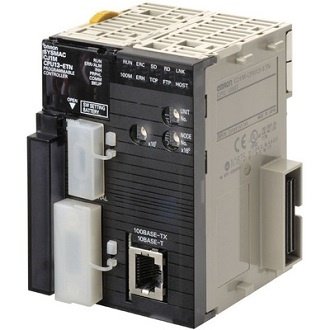 Omron CJ1M-CPU12-ETN PLC CPU Ethernet Unit CJ1MCPU12ETN $1,080.00Add to cart
- Omron CJ1W-AD041-V1 PLC Input Module CJ1WAD041V1 $798.00Add to cart
- Omron CJ1W-OD212 PLC DC Digital Output Module CJ1WOD212 $298.00Add to cart
- Omron CJ2M-CPU12 I/O Control Communication Unit CJ2MCPU12 $698.00Add to cart
- Omron CJ2M-CPU31 PLC Ethernet IP CPU Unit 40 I/O CJ2MCPU31 $1,200.00Add to cart
- Omron Communication Module CS1W-SCB41-V1 $680.00Add to cart
- Omron Communication Module DRT1-COM $710.00Add to cart
- Omron Communications Option Board NX1W-CIF11 $58.00Add to cart
- Omron Communications Option Board NX1W-CIF12 $86.00Add to cart
- Omron CP1L-EM30DR-D PLC CPU Unit I/O Module CP1LEM30DRD $480.00Add to cart
- Omron CP1L-EM30DT-D PLC CPU Unit CP1LEM30DTD $680.00Add to cart
- Omron CP1L-M60DT1-D PLC CPU Unit Logic Module CP1LM60DT1D $830.00Add to cart
- Omron CP1W-32ER Expansion Output Module Unit CP1W32ER $550.00Add to cart
- Omron CP1W-40EDT1 PLC I/O Expansion Module CP1W40EDT1 $420.00Add to cart
- Omron CP1W-8ED 8-Channel DC Digital Input Module CP1W8ED $260.00Add to cart
- Omron CP1W-8ET1 DC Digital Output Expansion Module CP1W8ET1 $145.00Add to cart
- Omron CP1W-DAM01 PLC LCD Option Board CP1WDAM01 $280.00Add to cart
- Omron CPU Control Logic Unit CP1E-E10DT-D $150.00Add to cart
- Omron CPU I/O MODULE Unit CJ2M-CPU11 $450.00Add to cart
- Omron CPU Unit CP1E-N40SDR-A $410.00Add to cart
- Omron CPU Unit CP1H-X40DR-A $680.00Add to cart
- Omron CPU Unit CP1L-M30DT-A $480.00Add to cart
- Omron CS1 PLC Rack Base Unit CS1W-BC103 $450.00Add to cart
- Omron CS1W-AD081-V1 Analog Input Module CS1WAD081V1 $1,050.00Add to cart
- Omron CS1W-EIP21 EtherNet Analog Communication Module CS1WEIP21 $880.00Add to cart
- Omron DeviceNet Communications Unit GRT1-DA2C $510.00Add to cart
- Omron Digital I/O Unit GT1-ID16 $280.00Add to cart
- Omron Digital I/O Unit GT1-ID16-1 $405.00Add to cart
- Omron Digital I/O Unit GT1-ID16DS $310.00Add to cart
- Omron Digital I/O Unit GT1-ID16ML $350.00Add to cart
- Omron Digital I/O Unit GT1-ID16ML-1 $370.00Add to cart
- Omron Digital I/O Unit GT1-ID16MX $360.00Add to cart
- Omron Digital I/O Unit GT1-ID16MX-1 $370.00Add to cart
- Omron Digital I/O Unit GT1-ID32ML $510.00Add to cart
- Omron Digital I/O Unit GT1-ID32ML-1 $520.00Add to cart
- Omron Digital I/O Unit GT1-OD16 $402.00Add to cart
- Omron Digital I/O Unit GT1-OD16-1 $430.00Add to cart
- Omron Digital I/O Unit GT1-OD16DS $420.00Add to cart
- Omron Digital I/O Unit GT1-OD16DS-1 $420.00Add to cart
- Omron Digital I/O Unit GT1-OD16ML $420.00Add to cart
- Omron Digital I/O Unit GT1-OD16ML-1 $420.00Add to cart
- Omron Digital I/O Unit GT1-OD16MX $350.00Add to cart
- Omron Digital I/O Unit GT1-OD16MX-1 $410.00Add to cart
- Omron Digital I/O Unit GT1-OD32ML $480.00Add to cart
- Omron Digital I/O Unit GT1-OD32ML-1 $495.00Add to cart
- Omron Digital Input Module CJ1W-ID261 $705.00Add to cart
- Omron Expansion I/O Unit ZEN-8E1AR $115.00Add to cart
- Omron Expansion Unit CP1W-MAD44 $580.00Add to cart
- Omron Expansion Unit XWT-OD08-1 $260.00Add to cart
- Omron GRT1-DRT DeviceNet Communications Unit GRT1DRT $2,600.00Add to cart
-
 Omron GRT1-ID8 Digital Input Output Module GRT1ID8 $190.00Add to cart
-
Omron GRT1-ID8-1 DC Digital Input Output Module GRT1ID81 $190.00Add to cart
- Omron GT1-AD04 Digital Input Output Module GT1AD04 $900.00Add to cart
- Omron GT1-AD08MX Analog Input Output Module GT1AD08MX $600.00Add to cart
- Omron GT1-DA04MX Analog Input Output Unit Module GT1DA04MX $720.00Add to cart
- Omron GT1-ID16DS-1 Digital Input Output Unit GT1ID16DS1 $900.00Add to cart
- Omron HMC-EF183 128MB Compact Flash Memory Card HMCEF183 $130.00Add to cart
- Omron I/O Module CJ2M-MD211 $298.00Add to cart
- Omron I/O Terminal Block SRT2-OD16 $408.00Add to cart
- Omron I/O Terminal Block SRT2-OD16-1 $420.00Add to cart
- Omron Input Unit CJ1W-IA111 $330.00Add to cart
- Omron IO-Link Master Unit NX-ILM400 $380.00Add to cart
- Omron Mixed I/O Unit CJ1W-MD231 $410.00Add to cart
- Omron Mixed I/O Unit CJ1W-MD233 $410.00Add to cart
- Omron NX-ID3417 PLC 4 Digital Input Module NXID3417 $280.00Add to cart
- Omron NX-OD4121 PLC 8 Digital Output Module NXOD4121 $130.00Add to cart
- Omron NX-OD5256 PLC Expansion Output Module NXOD5256 $398.00Add to cart
- Omron NX1P2-1140DT CPU Input Output Module NX1P21140DT $2,450.00Add to cart
- Omron NX1P2-1140DT1 PLC Input Output Module NX1P21140DT1 $2,460.00Add to cart
- Omron NX1W-CIF01 Communications Option Board NX1WCIF01 $88.00Add to cart
- Omron NX1W-DAB21V Analog Input Output Module NX1WDAB21V $200.00Add to cart
- Omron PLC 8 Slot Back Plane C200HW-BC081-V1 $310.00Add to cart
- Omron PLC 8PT Isolated RTU Input Unit CS1W-PTS56 $1,590.00Add to cart
- Omron PLC Adapter CP1W-EXT01 $110.00Add to cart
- Omron PLC Analog I/O Module CJ1W-AD081-V1 $940.00Add to cart
- Omron PLC Analog I/O Module CP1W-MAD11 $350.00Add to cart
- Omron PLC Analog Input Module CJ1W-AD04U $610.00Add to cart
- Omron PLC Analog Module CJ1W-MAD42 $660.00Add to cart
- Omron PLC Analog Output Unit CS1W-DA08C $1,300.00Add to cart
- Omron PLC Applicable Connector C500-CE404 $84.00Add to cart
- Omron PLC Backplane CS1W-BC083 $430.00Add to cart
- Omron PLC Battery CP1W-BAT01 $30.00Add to cart
- Omron PLC Battery CS1W-BAT01 $109.00Add to cart
- Omron PLC Board CP1W-CIF11 $52.00Add to cart
- Omron PLC Cable CS1W-CN114 $138.00Add to cart
- Omron PLC Cable CS1W-CN118 $140.00Add to cart
- Omron PLC Cable CS1W-CN713 $210.00Add to cart
- Omron PLC CJ-series Quick-response Input Unit CJ1W-IDP01 $430.00Add to cart
- Omron PLC CJ1W-PA202 $200.00Add to cart
- Omron PLC Communication Unit CJ1W-SCU31-V1 $650.00Add to cart
- Omron PLC Communications Module CJ1W-SCU41-V1 $620.00Add to cart
- Omron PLC Communications Module Unit CJ1W-SRM21 $386.00Add to cart
- Omron PLC Control Logic CP1H-X40DT-D $810.00Add to cart
- Omron PLC Control Logic CP1H-XA40DR-A $1,040.00Add to cart
- Omron PLC Control Logic CP1H-XA40DT-D $1,020.00Add to cart
- Omron PLC Control Logic CP1H-XA40DT1-D $1,060.00Add to cart
- Omron PLC CONTROL LOGIC CP1H-Y20DT-D $990.00Add to cart
- Omron PLC Control Logic CP1L-EL20DR-D $420.00Add to cart
- Omron PLC Control Logic CP1L-EM40DR-D $690.00Add to cart
- Omron PLC CONTROL LOGIC CP1L-EM40DT-D $670.00Add to cart
- Omron PLC Control Logic CP1L-L14DR-A $325.00Add to cart
- Omron PLC CONTROL LOGIC CP1L-L14DR-D $340.00Add to cart
- Omron PLC Control Logic CP1L-L14DT-A $390.00Add to cart
- Omron PLC CONTROL LOGIC CP1L-L14DT-D $330.00Add to cart
- Omron PLC CONTROL LOGIC CP1L-L14DT1-D $330.00Add to cart
- Omron PLC Control logic CP1L-L20DR-A $410.00Add to cart
- Omron PLC CONTROL LOGIC CP1L-L20DR-D $330.00Add to cart
- Omron PLC CONTROL LOGIC CP1L-L20DT-D $410.00Add to cart
- Omron PLC CONTROL LOGIC CP1L-L20DT1-D $396.00Add to cart
- Omron PLC CONTROL LOGIC CP1L-M30DR-A $430.00Add to cart
- Omron PLC CONTROL LOGIC CP1L-M30DR-D $440.00Add to cart
- Omron PLC CONTROL LOGIC CP1L-M30DT-D $452.00Add to cart
- Omron PLC Control Logic CP1L-M40DR-A $610.00Add to cart
- Omron PLC Control Logic CP1L-M40DR-D $650.00Add to cart
- Omron PLC Control Logic CP1L-M40DT-D $605.00Add to cart
- Omron PLC Control Logic CP1L-M40DT1-D $605.00Add to cart
- Omron PLC Control Logic CP1L-M60DR-D $850.00Add to cart
- Omron PLC CONTROL LOGIC EIP CJ2M-CPU32 $1,300.00Add to cart
- Omron PLC Control Logig CP1L-M30DT1-D $600.00Add to cart
- Omron PLC CP1E-E30SDR-A $216.00Add to cart
- Omron PLC CP1E-E40SDR-A $598.00Add to cart
- Omron PLC CP1E-N60S1DR-A $442.00Add to cart
- Omron PLC CPU Unit CJ1M-CPU21 $960.00Add to cart
- Omron PLC CPU Unit CJ2H-CPU64-EIP $3,010.00Add to cart
- Omron PLC CPU Unit CJ2M-CPU13 $885.00Add to cart
- Omron PLC CPU Unit CJ2M-CPU33 $1,270.00Add to cart
- Omron PLC CPU Unit CP1E-E10DR-A $190.00Add to cart
- Omron PLC CPU Unit CP1E-N20DR-A $280.00Add to cart
- Omron PLC CPU Unit CP1E-N20DT-D $310.00Add to cart
- Omron PLC CPU Unit CP1E-N20DT1-A $330.00Add to cart
- Omron PLC CPU Unit CP1E-N20DT1-D $280.00Add to cart
- Omron PLC CPU Unit CP1E-N30DT-A $356.00Add to cart
- Omron PLC CPU Unit CP1E-N30DT-D $380.00Add to cart
- Omron PLC CPU Unit CP1E-N30DT1-A $380.00Add to cart
- Omron PLC CPU Unit CP1E-N30DT1-D $330.00Add to cart
- Omron PLC CPU Unit CP1E-N30SDR-A $350.00Add to cart
- Omron PLC CPU Unit CP1E-N40DR-A $530.00Add to cart
- Omron PLC CPU Unit CP1E-N40DR-D $510.00Add to cart
- Omron PLC CPU Unit CP1E-N40DT-A $510.00Add to cart
- Omron PLC CPU Unit CP1E-N40DT-D $500.00Add to cart
- Omron PLC CPU Unit CP1E-N40DT1-A $490.00Add to cart
- Omron PLC CPU Unit CP1E-N40DT1-D $560.00Add to cart
- Omron PLC CPU Unit CP1E-NA20DR-A $530.00Add to cart
- Omron PLC CPU Unit CP1E-NA20DT-D $520.00Add to cart
- Omron PLC CPU Unit CP1L-EM30DT1-D $600.00Add to cart
- Omron PLC CPU Unit CP1L-M60DR-A $820.00Add to cart
- Omron PLC CPU Unit CP1L-M60DT-D $590.00Add to cart
- Omron PLC CPU Unit CS1G-CPU44H $1,550.00Add to cart
- Omron PLC CPU Unit ZEN-10C3DR-D-V2 $165.00Add to cart
-
 Omron PLC CPU Unit ZEN-20C3DR-D-V2 $205.00Add to cart
- Omron PLC DC Input Module CJ1W-ID232 $298.00Add to cart
- Omron PLC DeviceNet Master Unit CJ1W-DRM21 $640.00Add to cart
- Omron PLC Digital Output Module CJ1W-OD261 $550.00Add to cart
- Omron PLC END PLATE Module CJ1W-TER01 $125.00Add to cart
- Omron PLC Ethernet Module CJ1W-ETN21 $1,190.00Add to cart
- Omron PLC Ethernet Option Board CP1W-CIF12 $105.00Add to cart
- Omron PLC Ethernet Option Board CP1W-CIF41 $298.00Add to cart
- Omron PLC Expansion Backplane CS1W-BI103 $480.00Add to cart
- Omron PLC Expansion Module CP1W-16ET1 $270.00Add to cart
- Omron PLC Expansion Module CP1W-20EDR1 $300.00Add to cart
- Omron PLC Expansion Module CP1W-20EDT $225.00Add to cart
- Omron PLC Extension Module CP1W-8ET $140.00Add to cart
- Omron PLC I/O Cable CP1W-CN811 $85.00Add to cart
- Omron PLC I/O Control Unit CJ1W-IC101 $210.00Add to cart
- Omron PLC I/O Module CP1W-20EDT1 $300.00Add to cart
- Omron PLC I/O Module CP1W-40EDR $496.00Add to cart
- Omron PLC I/O Unit CJ1W-II101 $245.00Add to cart
- Omron PLC Input Module CJ1W-B7A14 $530.00Add to cart
- Omron PLC Input Module CJ1W-ID211 $300.00Add to cart
- Omron PLC Input Module CJ1W-ID231 $380.00Add to cart
- Omron PLC Input Module CJ1W-ID262 $520.00Add to cart
- Omron PLC Input Module CJ1W-PTS52 $695.00Add to cart
- Omron PLC Input Module CP1W-8ER $210.00Add to cart
- Omron PLC Input Module CP1W-AD041 $420.00Add to cart
- Omron PLC Input Module CP1W-TS001 $305.00Add to cart
- Omron PLC Input Module CP1W-TS002 $350.00Add to cart
- Omron PLC Input Module CP1W-TS101 $280.00Add to cart
- Omron PLC Input Module CS1W-ID211 $318.00Add to cart
- Omron PLC Input Module NX-ID3317 $107.00Add to cart
- Omron PLC Input Module NX-ID3343 $152.00Add to cart
- Omron PLC Input Module NX-ID3443 $150.00Add to cart
- Omron PLC Input Module NX-ID4342 $126.00Add to cart
- Omron PLC Input Module NX-ID4442 $126.00Add to cart
- Omron PLC Input Module NX-ID5142-1 $230.00Add to cart
- Omron PLC Input Module NX-ID5342 $165.00Add to cart
- Omron PLC Input Module NX-ID5442 $167.00Add to cart
- Omron PLC Input Module NX-ID6142-5 $315.00Add to cart
- Omron PLC Input Module NX-ID6142-6 $395.00Add to cart
- Omron PLC Input Module NX-OD2154 $118.00Add to cart
- Omron PLC Input Module NX-OD2258 $128.00Add to cart
- Omron PLC Logic Control CP1H-X40DT1-D $830.00Add to cart
- Omron PLC Module CJ1W-SCU21-V1 $599.00Add to cart
- Omron PLC Module CP1W-40EDT $370.00Add to cart
- Omron PLC Module NX-IA3117 $108.00Add to cart
- Omron PLC Module NX-ID3344 $170.00Add to cart
- Omron PLC Module NX-ID3444 $210.00Add to cart
- Omron PLC Module NX-ID5142-5 $199.00Add to cart
- Omron PLC Module NX1P2-1040DT $1,490.00Add to cart
- Omron PLC Module NX1P2-1040DT1 $1,650.00Add to cart
- Omron PLC Module NX1P2-9024DT $850.00Add to cart
- Omron PLC Module NX1P2-9024DT1 $996.00Add to cart
- Omron PLC Output Expansion Module XWT-OD16-1 $295.00Add to cart
- Omron PLC Output Module CJ1W-DA021 $656.00Add to cart
- Omron PLC Output Module CJ1W-DA08C $840.00Add to cart
- Omron PLC Output Module CJ1W-DA08V $830.00Add to cart
- Omron PLC Output Module CJ1W-OC211 $310.00Add to cart
- Omron PLC Output Module CJ1W-OD211 $260.00Add to cart
- Omron PLC Output Module CJ1W-OD231 $250.00Add to cart
- Omron PLC Output Module CJ1W-OD232 $430.00Add to cart
- Omron PLC Output Module CJ1W-OD262 $520.00Add to cart
- Omron PLC Output Module CP1W-DA021 $320.00Add to cart
- Omron PLC Output Module CP1W-DA041 $310.00Add to cart
- Omron PLC Output Module CS1W-OC211 $398.00Add to cart
- Omron PLC Output Module NX-OD3121 $108.00Add to cart
- Omron PLC Output Module NX-OD3153 $168.00Add to cart
- Omron PLC Output Module NX-OD3256 $95.00Add to cart
- Omron PLC Output Module NX-OD3257 $170.00Add to cart
- Omron PLC Output Module NX-OD3268 $205.00Add to cart
- Omron PLC Output Module NX-OD4256 $116.00Add to cart
- Omron PLC Output Module NX-OD5121 $168.00Add to cart
- Omron PLC Output Unit CJ1W-OC201 $210.00Add to cart
- Omron PLC Output Unit CP1W-16ER $240.00Add to cart
- Omron PLC Position Control Module CJ1W-NC413 $1,660.00Add to cart
- Omron PLC Power Supply C200HW-PA204 $400.00Add to cart
- Omron PLC Power Supply C200HW-PA204S $699.00Add to cart
- Omron PLC Power Supply CJ1W-PA205R $260.00Add to cart
- Omron PLC Power Supply CJ1W-PD022 $140.00Add to cart
- Omron PLC Power Supply CJ1W-PD025 $270.00Add to cart
- Omron PLC Power Supply S8VM-15024CD $320.00Add to cart
- Omron PLC Power Supply Unit CJ1W-PA205C $400.00Add to cart
- Omron PLC RS-232C Option Board CP1W-CIF01 $60.00Add to cart
- Omron PLC Temperature Control CJ1W-TC002 $810.00Add to cart
- Omron PLC Temperature Control Module CJ1W-TC101 $810.00Add to cart
- Omron Programmable Relay ZEN-10C2AR-A-V2 $150.00Add to cart
- Omron Relay Output Unit GT1-ROS16 $640.00Add to cart
- Omron Remote I/O Terminal SRT2-OD04 $250.00Add to cart
- Omron Remote Terminal Module SRT2-ROC08 $355.00Add to cart
- Omron Remote Terminal SRT2-ID08 $310.00Add to cart
- Omron Remote Terminal SRT2-ID16 $280.00Add to cart
- Omron S8VM-100 24CD PLC Power Supply S8VM100 $280.00Add to cart
- Omron Special I/O Module CJ1W-CT021 $910.00Add to cart
- Omron Temperature Control Unit NX-AUX02 $24.00Add to cart
- Omron Temperature Control Unit NX-TC2405 $405.00Add to cart
- Omron Temperature Control Unit NX-TC2406 $350.00Add to cart
- Omron Temperature Control Unit NX-TC2407 $420.00Add to cart
- Omron Temperature Control Unit NX-TC2408 $396.00Add to cart
- Omron Temperature Control Unit NX-TC3405 $580.00Add to cart
- Omron Temperature Control Unit NX-TC3406 $520.00Add to cart
- Omron Temperature Control Unit NX-TC3407 $615.00Add to cart
- Omron Temperature Control Unit NX-TC3408 $640.00Add to cart
- Omron Turnback Unit GRT1-TBL $120.00Add to cart
- Omron Turnback Unit GRT1-TBR $64.00Add to cart
- Omron XWT-ID16-1 DC Digital Inputs Expansion Unit XWTID161 $350.00Add to cart

Leave a Reply