
Omron NJ Series PLC Guide: Machine Automation, Motion Control & Industrial Networking
The Omron NJ Series PLC is a high-performance Machine Automation Controller (MAC) designed to unify machine control, motion, safety, vision, and industrial networking on a single platform. Built around the Sysmac automation architecture, it enables manufacturers to improve machine precision, reduce commissioning time, and simplify system integration. This guide explains the NJ Series architecture, key features, programming environment, industrial communication capabilities, real-world applications, and best practices for selecting and implementing an Omron NJ controller.
Modern manufacturing demands more than reliable machine control. Today’s production environments require controllers capable of synchronizing robotics, servo motion, machine vision, safety systems, data collection, and Industrial Ethernet communications—all while maintaining deterministic performance. As manufacturers embrace Industry 4.0 initiatives and smart factory strategies, machine controllers must evolve beyond traditional PLC functionality.
The Omron NJ Series Machine Automation Controller was developed specifically to meet these evolving requirements. Rather than treating motion control, PLC logic, and networking as separate systems, the NJ Series integrates them into a unified automation platform. This architecture simplifies machine design, reduces programming complexity, and improves overall machine performance.
Whether you’re designing a packaging machine, high-speed assembly system, semiconductor manufacturing equipment, or material handling application, the NJ Series provides scalable control capabilities for demanding industrial environments.
What Is the Omron NJ Series PLC?
The Omron NJ Series is part of Omron’s Sysmac automation platform, which combines programmable logic control, synchronized motion control, industrial networking, safety integration, and information management into a single machine automation architecture.
Unlike conventional PLCs that primarily execute ladder logic, the NJ Series functions as a Machine Automation Controller (MAC). This means it coordinates multiple machine technologies simultaneously while maintaining deterministic execution across the entire automation system.
The controller runs a real-time operating environment optimized for precision manufacturing applications. It supports multiple IEC 61131-3 programming languages, advanced motion control functions, and seamless communication across EtherCAT and EtherNet/IP networks.
The result is a controller capable of managing complete production machines instead of simply controlling discrete inputs and outputs.
Why the NJ Series Is Different from Traditional PLCs
Traditional PLC architectures often require separate motion controllers, communication gateways, vision controllers, and safety devices. The NJ Series consolidates many of these functions into one coordinated platform.
Major differences include:
Integrated PLC and motion control
High-speed synchronized servo control
Distributed clock synchronization
Native EtherCAT support
Built-in EtherNet/IP communications
Unified programming using Sysmac Studio
Easy expansion through modular I/O
Because all devices operate within a common architecture, engineers spend less time integrating multiple hardware platforms.
Omron NJ Series Architecture
One of the greatest strengths of the NJ platform is its modular architecture. Instead of treating every subsystem independently, the controller manages all machine operations through one coordinated automation environment.
Central Processing Unit (CPU)
The CPU serves as the intelligence of the machine. Depending on the selected model, processors offer different capabilities including:
Logic execution
Motion synchronization
Data management
Network communications
Safety coordination
Higher-end NJ controllers support larger memory capacities, more servo axes, and increased program complexity.
Remote and Local I/O
The NJ platform supports both local expansion modules and distributed I/O. Remote I/O significantly reduces cabinet wiring by placing modules closer to field devices.
Benefits include:
Faster installation
Lower wiring costs
Easier troubleshooting
Greater scalability
Motion Control Integration
Perhaps the most impressive capability of the NJ Series is its integrated motion control. Instead of adding separate motion controllers, the NJ CPU controls servo systems directly over EtherCAT.
Applications include:
Electronic camming
Electronic gearing
Flying shear
Pick-and-place robotics
Conveyor synchronization
Rotary indexing
Gantry systems
Because motion and logic execute within the same controller, synchronization accuracy is significantly improved.
Sysmac Studio: Unified Engineering Environment
Omron developed Sysmac Studio as a single engineering platform for every major automation task. Instead of switching between separate software packages, engineers configure the complete machine from one application.
Capabilities include:
PLC programming
Servo configuration
Network setup
HMI integration
Simulation
Debugging
Diagnostics
Variable management
This unified approach shortens development cycles and simplifies maintenance throughout the machine’s lifecycle.
Programming Languages
The NJ Series complies with the IEC 61131-3 standard and supports multiple programming languages.
These include:
Ladder Diagram (LD)
Structured Text (ST)
Function Block Diagram (FBD)
Sequential Function Chart (SFC)
Structured Text is especially valuable for advanced mathematical calculations, robotics, and motion algorithms, while Ladder Diagram remains popular for traditional machine control.
Motion Control Capabilities
Motion control is where the NJ Series truly distinguishes itself from many conventional PLC platforms. High-speed synchronized motion allows machines to operate with exceptional precision while reducing mechanical wear.
Electronic Camming
Electronic camming replaces mechanical cam systems with software-defined motion profiles.
Advantages include:
Greater flexibility
Faster product changeovers
Reduced maintenance
Improved accuracy
Electronic Gearing
Electronic gearing maintains synchronized movement between multiple servo axes.
Applications include:
Printing machinery
Packaging systems
Labeling machines
Textile equipment
Multi-Axis Synchronization
Certain NJ models can coordinate dozens of servo axes simultaneously.
Typical applications include:
Robotics
CNC equipment
Semiconductor manufacturing
Assembly automation
Deterministic synchronization ensures every axis maintains precise timing relationships.
Industrial Networking and Communications
Reliable communications are essential for modern automation. The NJ Series supports several industrial networking technologies that simplify machine integration.
EtherCAT
EtherCAT serves as the primary motion network.
Advantages include:
Ultra-fast communication
Deterministic control
Minimal latency
Distributed clock synchronization
EtherCAT connects:
Servo drives
Remote I/O
Safety devices
Encoders
EtherNet/IP
EtherNet/IP provides plant-wide communications. Typical connected devices include:
HMIs
SCADA systems
Manufacturing Execution Systems (MES)
Industrial PCs
Robots
This enables seamless information exchange throughout the manufacturing environment.
OPC UA and Industry 4.0 Connectivity
Modern manufacturing increasingly relies on data-driven decision-making. Many NJ implementations integrate with OPC UA gateways, cloud platforms, MES software, and industrial analytics solutions, making production data available for predictive maintenance and operational optimization.
Integrated Safety and Machine Vision
The Sysmac platform extends beyond machine logic by supporting integration with Omron safety controllers and machine vision systems. Rather than treating these technologies as isolated components, the controller coordinates them within a common automation environment.
For example, a packaging machine can detect product orientation through a vision camera, synchronize servo motion to correct positioning, and safely stop the machine if an operator enters a protected area.
This integrated approach reduces engineering effort while improving machine reliability and operator safety.
Common Industrial Applications
The flexibility of the NJ Series makes it suitable for numerous industries.
Packaging Machinery
Packaging equipment benefits from synchronized motion, electronic camming, and rapid changeovers.
Common applications include:
Cartoners
Fillers
Wrappers
Labelers
Palletizers
Food and Beverage Processing
Food manufacturers rely on the NJ platform for:
Conveyor synchronization
Filling operations
Inspection systems
Packaging automation
The platform’s deterministic control helps maintain product consistency while maximizing throughput.
Automotive Manufacturing & Transportation
Automotive production requires highly synchronized machine operation.
Applications include:
Robotic assembly
Welding stations
Leak testing
Component inspection
Material handling
Semiconductor Manufacturing
Semiconductor equipment demands exceptional precision.
The NJ Series provides:
Nanometer-level positioning support through servo systems
High-speed inspection
Coordinated robotics
Precision material handling
Packaging and Material Handling
Distribution centers use the NJ platform for:
Conveyor systems
Automated storage and retrieval systems (AS/RS)
Sortation systems
Warehouse automation
Choosing the Right Omron NJ Series Controller
Selecting the appropriate controller depends on your machine’s complexity. Consider the following factors:
Number of Motion Axes
Estimate current and future servo requirements.
I/O Count
Determine the number of digital and analog signals required.
Communication Requirements
Identify which industrial protocols your equipment must support.
Memory Capacity
Complex applications involving robotics, data logging, or advanced calculations require larger memory resources.
Future Expansion
Choose a controller with sufficient capacity to accommodate future upgrades without replacing the entire control system.
Best Practices for Implementation
Successful NJ Series projects begin with careful planning.
Some proven recommendations include:
Standardize programming conventions.
Segment machine functions into reusable function blocks.
Use descriptive tag names instead of generic addresses.
Document network architecture thoroughly.
Validate motion sequences in simulation before commissioning.
Back up controller programs regularly.
Monitor diagnostic data to support predictive maintenance.
These practices improve maintainability and reduce long-term support costs.
Recommended Automation Pioneer Resources
Continue exploring related Omron Programmable Logic Controllers (PLCs) in industrial automation topics:
- PLCs & Controllers
- Omron Programmable Logic Controllers (PLCs)
- Omron NX Series PLC
- Omron NJ Series PLC
- Omron CP Series PLC
- Omron PLC Programming
- Omron PLC Communication Protocols
- Omron PLC vs Siemens PLC
- Omron PLC Troubleshooting
- Omron PLC Applications
- Omron PLC Selection Guide
These related articles provide additional insights into industrial control architectures, networking technologies, and automation best practices.
Frequently Asked Questions
What is the Omron NJ Series PLC used for?
The Omron NJ Series is used to control advanced industrial machines that require integrated PLC logic, synchronized motion control, industrial networking, and high-speed communications. It is commonly deployed in packaging, automotive, food processing, semiconductor, and material handling applications.
What is the difference between the Omron NJ Series and traditional PLCs?
Traditional PLCs primarily execute machine logic, whereas the NJ Series combines PLC functionality with motion control, industrial networking, and machine automation in a single controller. This integration simplifies system design and improves synchronization.
Does the Omron NJ Series support EtherCAT?
Yes. Native EtherCAT support is one of the NJ Series’ defining features, enabling deterministic communication with servo drives, remote I/O, and other compatible devices for high-performance machine control.
Which software is used to program the Omron NJ Series?
The NJ Series is programmed using Sysmac Studio, Omron’s integrated engineering environment. The software supports controller configuration, motion programming, network setup, simulation, diagnostics, and debugging from one interface.
What industries commonly use the Omron NJ Series?
The platform is widely used in packaging, food and beverage processing, automotive manufacturing, semiconductor production, pharmaceuticals, and warehouse automation because of its precise motion control and networking capabilities.
Can the Omron NJ Series be integrated into Industry 4.0 environments?
Yes. Through EtherNet/IP, EtherCAT, OPC UA gateways, and integration with MES and SCADA systems, the NJ Series supports connected manufacturing, real-time data collection, predictive maintenance, and smart factory initiatives.
Is the Omron NJ Series suitable for high-speed motion applications?
Absolutely. Its synchronized multi-axis motion control, electronic camming, electronic gearing, and deterministic EtherCAT communications make it well suited for demanding high-speed machinery where precision is essential.
The Omron NJ Series Machine Automation Controller represents a significant advancement over conventional PLC platforms by combining machine logic, synchronized motion control, industrial networking, and system integration into a single architecture. Whether you’re building a high-speed packaging line, an advanced robotic assembly cell, or a fully connected smart factory, the NJ Series delivers the scalability, precision, and reliability required for modern manufacturing.
For organizations seeking to improve productivity, simplify machine design, and prepare for Industry 4.0, the NJ Series provides a future-ready automation platform that supports today’s production requirements while remaining flexible enough to meet tomorrow’s challenges. When paired with thoughtful engineering practices and a well-designed network architecture, it can become the foundation of highly efficient, intelligent, and data-driven industrial operations.
Check Our Comprehensive Automation Brands Get Latest Industrial Automation NewsYour One-Stop Source for Reliable Omron PLCs, Industrial Automation & Process Control Equipment
Access trusted Omron PLCs process control equipment, expert support, and fast sourcing—all in one place.
Check Our Comprehensive Omron Programmable Logic Controllers (PLCs)- Omron Analog I/O Option Board NX1W-ADB21 $98.00Add to cart
- Omron Analog I/O Option Board NX1W-MAB221 $170.00Add to cart
- Omron Analog I/O Terminal DRT2-AD04 $630.00Add to cart
- Omron Analog I/O Terminal DRT2-DA02 $530.00Add to cart
- Omron Analog Output Module CJ1W-DA041 $860.00Add to cart
- Omron Applicable B7A Link Terminal B7A-T6E3 $180.00Add to cart
- Omron Backplane CS1W-BI033 $325.00Add to cart
- Omron CJ1M-CPU12 Programmable Logic Controller CPU Unit CJ1MCPU12 $1,280.00Add to cart
-
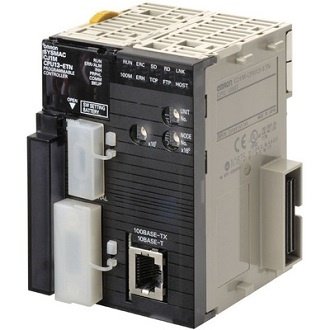 Omron CJ1M-CPU12-ETN PLC CPU Ethernet Unit CJ1MCPU12ETN $1,080.00Add to cart
- Omron CJ1W-AD041-V1 PLC Input Module CJ1WAD041V1 $798.00Add to cart
- Omron CJ1W-OD212 PLC DC Digital Output Module CJ1WOD212 $298.00Add to cart
- Omron CJ2M-CPU12 I/O Control Communication Unit CJ2MCPU12 $698.00Add to cart
- Omron CJ2M-CPU31 PLC Ethernet IP CPU Unit 40 I/O CJ2MCPU31 $1,200.00Add to cart
- Omron Communication Module CS1W-SCB41-V1 $680.00Add to cart
- Omron Communication Module DRT1-COM $710.00Add to cart
- Omron Communications Option Board NX1W-CIF11 $58.00Add to cart
- Omron Communications Option Board NX1W-CIF12 $86.00Add to cart
- Omron CP1L-EM30DR-D PLC CPU Unit I/O Module CP1LEM30DRD $480.00Add to cart
- Omron CP1L-EM30DT-D PLC CPU Unit CP1LEM30DTD $680.00Add to cart
- Omron CP1L-M60DT1-D PLC CPU Unit Logic Module CP1LM60DT1D $830.00Add to cart
- Omron CP1W-32ER Expansion Output Module Unit CP1W32ER $550.00Add to cart
- Omron CP1W-40EDT1 PLC I/O Expansion Module CP1W40EDT1 $420.00Add to cart
- Omron CP1W-8ED 8-Channel DC Digital Input Module CP1W8ED $260.00Add to cart
- Omron CP1W-8ET1 DC Digital Output Expansion Module CP1W8ET1 $145.00Add to cart
- Omron CP1W-DAM01 PLC LCD Option Board CP1WDAM01 $280.00Add to cart
- Omron CPU Control Logic Unit CP1E-E10DT-D $150.00Add to cart
- Omron CPU I/O MODULE Unit CJ2M-CPU11 $450.00Add to cart
- Omron CPU Unit CP1E-N40SDR-A $410.00Add to cart
- Omron CPU Unit CP1H-X40DR-A $680.00Add to cart
- Omron CPU Unit CP1L-M30DT-A $480.00Add to cart
- Omron CS1 PLC Rack Base Unit CS1W-BC103 $450.00Add to cart
- Omron CS1W-AD081-V1 Analog Input Module CS1WAD081V1 $1,050.00Add to cart
- Omron CS1W-EIP21 EtherNet Analog Communication Module CS1WEIP21 $880.00Add to cart
- Omron DeviceNet Communications Unit GRT1-DA2C $510.00Add to cart
- Omron Digital I/O Unit GT1-ID16 $280.00Add to cart
- Omron Digital I/O Unit GT1-ID16-1 $405.00Add to cart
- Omron Digital I/O Unit GT1-ID16DS $310.00Add to cart
- Omron Digital I/O Unit GT1-ID16ML $350.00Add to cart
- Omron Digital I/O Unit GT1-ID16ML-1 $370.00Add to cart
- Omron Digital I/O Unit GT1-ID16MX $360.00Add to cart
- Omron Digital I/O Unit GT1-ID16MX-1 $370.00Add to cart
- Omron Digital I/O Unit GT1-ID32ML $510.00Add to cart
- Omron Digital I/O Unit GT1-ID32ML-1 $520.00Add to cart
- Omron Digital I/O Unit GT1-OD16 $402.00Add to cart
- Omron Digital I/O Unit GT1-OD16-1 $430.00Add to cart
- Omron Digital I/O Unit GT1-OD16DS $420.00Add to cart
- Omron Digital I/O Unit GT1-OD16DS-1 $420.00Add to cart
- Omron Digital I/O Unit GT1-OD16ML $420.00Add to cart
- Omron Digital I/O Unit GT1-OD16ML-1 $420.00Add to cart
- Omron Digital I/O Unit GT1-OD16MX $350.00Add to cart
- Omron Digital I/O Unit GT1-OD16MX-1 $410.00Add to cart
- Omron Digital I/O Unit GT1-OD32ML $480.00Add to cart
- Omron Digital I/O Unit GT1-OD32ML-1 $495.00Add to cart
- Omron Digital Input Module CJ1W-ID261 $705.00Add to cart
- Omron Expansion I/O Unit ZEN-8E1AR $115.00Add to cart
- Omron Expansion Unit CP1W-MAD44 $580.00Add to cart
- Omron Expansion Unit XWT-OD08-1 $260.00Add to cart
- Omron GRT1-DRT DeviceNet Communications Unit GRT1DRT $2,600.00Add to cart
-
 Omron GRT1-ID8 Digital Input Output Module GRT1ID8 $190.00Add to cart
-
Omron GRT1-ID8-1 DC Digital Input Output Module GRT1ID81 $190.00Add to cart
- Omron GT1-AD04 Digital Input Output Module GT1AD04 $900.00Add to cart
- Omron GT1-AD08MX Analog Input Output Module GT1AD08MX $600.00Add to cart
- Omron GT1-DA04MX Analog Input Output Unit Module GT1DA04MX $720.00Add to cart
- Omron GT1-ID16DS-1 Digital Input Output Unit GT1ID16DS1 $900.00Add to cart
- Omron HMC-EF183 128MB Compact Flash Memory Card HMCEF183 $130.00Add to cart
- Omron I/O Module CJ2M-MD211 $298.00Add to cart
- Omron I/O Terminal Block SRT2-OD16 $408.00Add to cart
- Omron I/O Terminal Block SRT2-OD16-1 $420.00Add to cart
- Omron Input Unit CJ1W-IA111 $330.00Add to cart
- Omron IO-Link Master Unit NX-ILM400 $380.00Add to cart
- Omron Mixed I/O Unit CJ1W-MD231 $410.00Add to cart
- Omron Mixed I/O Unit CJ1W-MD233 $410.00Add to cart
- Omron NX-ID3417 PLC 4 Digital Input Module NXID3417 $280.00Add to cart
- Omron NX-OD4121 PLC 8 Digital Output Module NXOD4121 $130.00Add to cart
- Omron NX-OD5256 PLC Expansion Output Module NXOD5256 $398.00Add to cart
- Omron NX1P2-1140DT CPU Input Output Module NX1P21140DT $2,450.00Add to cart
- Omron NX1P2-1140DT1 PLC Input Output Module NX1P21140DT1 $2,460.00Add to cart
- Omron NX1W-CIF01 Communications Option Board NX1WCIF01 $88.00Add to cart
- Omron NX1W-DAB21V Analog Input Output Module NX1WDAB21V $200.00Add to cart
- Omron PLC 8 Slot Back Plane C200HW-BC081-V1 $310.00Add to cart
- Omron PLC 8PT Isolated RTU Input Unit CS1W-PTS56 $1,590.00Add to cart
- Omron PLC Adapter CP1W-EXT01 $110.00Add to cart
- Omron PLC Analog I/O Module CJ1W-AD081-V1 $940.00Add to cart
- Omron PLC Analog I/O Module CP1W-MAD11 $350.00Add to cart
- Omron PLC Analog Input Module CJ1W-AD04U $610.00Add to cart
- Omron PLC Analog Module CJ1W-MAD42 $660.00Add to cart
- Omron PLC Analog Output Unit CS1W-DA08C $1,300.00Add to cart
- Omron PLC Applicable Connector C500-CE404 $84.00Add to cart
- Omron PLC Backplane CS1W-BC083 $430.00Add to cart
- Omron PLC Battery CP1W-BAT01 $30.00Add to cart
- Omron PLC Battery CS1W-BAT01 $109.00Add to cart
- Omron PLC Board CP1W-CIF11 $52.00Add to cart
- Omron PLC Cable CS1W-CN114 $138.00Add to cart
- Omron PLC Cable CS1W-CN118 $140.00Add to cart
- Omron PLC Cable CS1W-CN713 $210.00Add to cart
- Omron PLC CJ-series Quick-response Input Unit CJ1W-IDP01 $430.00Add to cart
- Omron PLC CJ1W-PA202 $200.00Add to cart
- Omron PLC Communication Unit CJ1W-SCU31-V1 $650.00Add to cart
- Omron PLC Communications Module CJ1W-SCU41-V1 $620.00Add to cart
- Omron PLC Communications Module Unit CJ1W-SRM21 $386.00Add to cart
- Omron PLC Control Logic CP1H-X40DT-D $810.00Add to cart
- Omron PLC Control Logic CP1H-XA40DR-A $1,040.00Add to cart
- Omron PLC Control Logic CP1H-XA40DT-D $1,020.00Add to cart
- Omron PLC Control Logic CP1H-XA40DT1-D $1,060.00Add to cart
- Omron PLC CONTROL LOGIC CP1H-Y20DT-D $990.00Add to cart
- Omron PLC Control Logic CP1L-EL20DR-D $420.00Add to cart
- Omron PLC Control Logic CP1L-EM40DR-D $690.00Add to cart
- Omron PLC CONTROL LOGIC CP1L-EM40DT-D $670.00Add to cart
- Omron PLC Control Logic CP1L-L14DR-A $325.00Add to cart
- Omron PLC CONTROL LOGIC CP1L-L14DR-D $340.00Add to cart
- Omron PLC Control Logic CP1L-L14DT-A $390.00Add to cart
- Omron PLC CONTROL LOGIC CP1L-L14DT-D $330.00Add to cart
- Omron PLC CONTROL LOGIC CP1L-L14DT1-D $330.00Add to cart
- Omron PLC Control logic CP1L-L20DR-A $410.00Add to cart
- Omron PLC CONTROL LOGIC CP1L-L20DR-D $330.00Add to cart
- Omron PLC CONTROL LOGIC CP1L-L20DT-D $410.00Add to cart
- Omron PLC CONTROL LOGIC CP1L-L20DT1-D $396.00Add to cart
- Omron PLC CONTROL LOGIC CP1L-M30DR-A $430.00Add to cart
- Omron PLC CONTROL LOGIC CP1L-M30DR-D $440.00Add to cart
- Omron PLC CONTROL LOGIC CP1L-M30DT-D $452.00Add to cart
- Omron PLC Control Logic CP1L-M40DR-A $610.00Add to cart
- Omron PLC Control Logic CP1L-M40DR-D $650.00Add to cart
- Omron PLC Control Logic CP1L-M40DT-D $605.00Add to cart
- Omron PLC Control Logic CP1L-M40DT1-D $605.00Add to cart
- Omron PLC Control Logic CP1L-M60DR-D $850.00Add to cart
- Omron PLC CONTROL LOGIC EIP CJ2M-CPU32 $1,300.00Add to cart
- Omron PLC Control Logig CP1L-M30DT1-D $600.00Add to cart
- Omron PLC CP1E-E30SDR-A $216.00Add to cart
- Omron PLC CP1E-E40SDR-A $598.00Add to cart
- Omron PLC CP1E-N60S1DR-A $442.00Add to cart
- Omron PLC CPU Unit CJ1M-CPU21 $960.00Add to cart
- Omron PLC CPU Unit CJ2H-CPU64-EIP $3,010.00Add to cart
- Omron PLC CPU Unit CJ2M-CPU13 $885.00Add to cart
- Omron PLC CPU Unit CJ2M-CPU33 $1,270.00Add to cart
- Omron PLC CPU Unit CP1E-E10DR-A $190.00Add to cart
- Omron PLC CPU Unit CP1E-N20DR-A $280.00Add to cart
- Omron PLC CPU Unit CP1E-N20DT-D $310.00Add to cart
- Omron PLC CPU Unit CP1E-N20DT1-A $330.00Add to cart
- Omron PLC CPU Unit CP1E-N20DT1-D $280.00Add to cart
- Omron PLC CPU Unit CP1E-N30DT-A $356.00Add to cart
- Omron PLC CPU Unit CP1E-N30DT-D $380.00Add to cart
- Omron PLC CPU Unit CP1E-N30DT1-A $380.00Add to cart
- Omron PLC CPU Unit CP1E-N30DT1-D $330.00Add to cart
- Omron PLC CPU Unit CP1E-N30SDR-A $350.00Add to cart
- Omron PLC CPU Unit CP1E-N40DR-A $530.00Add to cart
- Omron PLC CPU Unit CP1E-N40DR-D $510.00Add to cart
- Omron PLC CPU Unit CP1E-N40DT-A $510.00Add to cart
- Omron PLC CPU Unit CP1E-N40DT-D $500.00Add to cart
- Omron PLC CPU Unit CP1E-N40DT1-A $490.00Add to cart
- Omron PLC CPU Unit CP1E-N40DT1-D $560.00Add to cart
- Omron PLC CPU Unit CP1E-NA20DR-A $530.00Add to cart
- Omron PLC CPU Unit CP1E-NA20DT-D $520.00Add to cart
- Omron PLC CPU Unit CP1L-EM30DT1-D $600.00Add to cart
- Omron PLC CPU Unit CP1L-M60DR-A $820.00Add to cart
- Omron PLC CPU Unit CP1L-M60DT-D $590.00Add to cart
- Omron PLC CPU Unit CS1G-CPU44H $1,550.00Add to cart
- Omron PLC CPU Unit ZEN-10C3DR-D-V2 $165.00Add to cart
-
 Omron PLC CPU Unit ZEN-20C3DR-D-V2 $205.00Add to cart
- Omron PLC DC Input Module CJ1W-ID232 $298.00Add to cart
- Omron PLC DeviceNet Master Unit CJ1W-DRM21 $640.00Add to cart
- Omron PLC Digital Output Module CJ1W-OD261 $550.00Add to cart
- Omron PLC END PLATE Module CJ1W-TER01 $125.00Add to cart
- Omron PLC Ethernet Module CJ1W-ETN21 $1,190.00Add to cart
- Omron PLC Ethernet Option Board CP1W-CIF12 $105.00Add to cart
- Omron PLC Ethernet Option Board CP1W-CIF41 $298.00Add to cart
- Omron PLC Expansion Backplane CS1W-BI103 $480.00Add to cart
- Omron PLC Expansion Module CP1W-16ET1 $270.00Add to cart
- Omron PLC Expansion Module CP1W-20EDR1 $300.00Add to cart
- Omron PLC Expansion Module CP1W-20EDT $225.00Add to cart
- Omron PLC Extension Module CP1W-8ET $140.00Add to cart
- Omron PLC I/O Cable CP1W-CN811 $85.00Add to cart
- Omron PLC I/O Control Unit CJ1W-IC101 $210.00Add to cart
- Omron PLC I/O Module CP1W-20EDT1 $300.00Add to cart
- Omron PLC I/O Module CP1W-40EDR $496.00Add to cart
- Omron PLC I/O Unit CJ1W-II101 $245.00Add to cart
- Omron PLC Input Module CJ1W-B7A14 $530.00Add to cart
- Omron PLC Input Module CJ1W-ID211 $300.00Add to cart
- Omron PLC Input Module CJ1W-ID231 $380.00Add to cart
- Omron PLC Input Module CJ1W-ID262 $520.00Add to cart
- Omron PLC Input Module CJ1W-PTS52 $695.00Add to cart
- Omron PLC Input Module CP1W-8ER $210.00Add to cart
- Omron PLC Input Module CP1W-AD041 $420.00Add to cart
- Omron PLC Input Module CP1W-TS001 $305.00Add to cart
- Omron PLC Input Module CP1W-TS002 $350.00Add to cart
- Omron PLC Input Module CP1W-TS101 $280.00Add to cart
- Omron PLC Input Module CS1W-ID211 $318.00Add to cart
- Omron PLC Input Module NX-ID3317 $107.00Add to cart
- Omron PLC Input Module NX-ID3343 $152.00Add to cart
- Omron PLC Input Module NX-ID3443 $150.00Add to cart
- Omron PLC Input Module NX-ID4342 $126.00Add to cart
- Omron PLC Input Module NX-ID4442 $126.00Add to cart
- Omron PLC Input Module NX-ID5142-1 $230.00Add to cart
- Omron PLC Input Module NX-ID5342 $165.00Add to cart
- Omron PLC Input Module NX-ID5442 $167.00Add to cart
- Omron PLC Input Module NX-ID6142-5 $315.00Add to cart
- Omron PLC Input Module NX-ID6142-6 $395.00Add to cart
- Omron PLC Input Module NX-OD2154 $118.00Add to cart
- Omron PLC Input Module NX-OD2258 $128.00Add to cart
- Omron PLC Logic Control CP1H-X40DT1-D $830.00Add to cart
- Omron PLC Module CJ1W-SCU21-V1 $599.00Add to cart
- Omron PLC Module CP1W-40EDT $370.00Add to cart
- Omron PLC Module NX-IA3117 $108.00Add to cart
- Omron PLC Module NX-ID3344 $170.00Add to cart
- Omron PLC Module NX-ID3444 $210.00Add to cart
- Omron PLC Module NX-ID5142-5 $199.00Add to cart
- Omron PLC Module NX1P2-1040DT $1,490.00Add to cart
- Omron PLC Module NX1P2-1040DT1 $1,650.00Add to cart
- Omron PLC Module NX1P2-9024DT $850.00Add to cart
- Omron PLC Module NX1P2-9024DT1 $996.00Add to cart
- Omron PLC Output Expansion Module XWT-OD16-1 $295.00Add to cart
- Omron PLC Output Module CJ1W-DA021 $656.00Add to cart
- Omron PLC Output Module CJ1W-DA08C $840.00Add to cart
- Omron PLC Output Module CJ1W-DA08V $830.00Add to cart
- Omron PLC Output Module CJ1W-OC211 $310.00Add to cart
- Omron PLC Output Module CJ1W-OD211 $260.00Add to cart
- Omron PLC Output Module CJ1W-OD231 $250.00Add to cart
- Omron PLC Output Module CJ1W-OD232 $430.00Add to cart
- Omron PLC Output Module CJ1W-OD262 $520.00Add to cart
- Omron PLC Output Module CP1W-DA021 $320.00Add to cart
- Omron PLC Output Module CP1W-DA041 $310.00Add to cart
- Omron PLC Output Module CS1W-OC211 $398.00Add to cart
- Omron PLC Output Module NX-OD3121 $108.00Add to cart
- Omron PLC Output Module NX-OD3153 $168.00Add to cart
- Omron PLC Output Module NX-OD3256 $95.00Add to cart
- Omron PLC Output Module NX-OD3257 $170.00Add to cart
- Omron PLC Output Module NX-OD3268 $205.00Add to cart
- Omron PLC Output Module NX-OD4256 $116.00Add to cart
- Omron PLC Output Module NX-OD5121 $168.00Add to cart
- Omron PLC Output Unit CJ1W-OC201 $210.00Add to cart
- Omron PLC Output Unit CP1W-16ER $240.00Add to cart
- Omron PLC Position Control Module CJ1W-NC413 $1,660.00Add to cart
- Omron PLC Power Supply C200HW-PA204 $400.00Add to cart
- Omron PLC Power Supply C200HW-PA204S $699.00Add to cart
- Omron PLC Power Supply CJ1W-PA205R $260.00Add to cart
- Omron PLC Power Supply CJ1W-PD022 $140.00Add to cart
- Omron PLC Power Supply CJ1W-PD025 $270.00Add to cart
- Omron PLC Power Supply S8VM-15024CD $320.00Add to cart
- Omron PLC Power Supply Unit CJ1W-PA205C $400.00Add to cart
- Omron PLC RS-232C Option Board CP1W-CIF01 $60.00Add to cart
- Omron PLC Temperature Control CJ1W-TC002 $810.00Add to cart
- Omron PLC Temperature Control Module CJ1W-TC101 $810.00Add to cart
- Omron Programmable Relay ZEN-10C2AR-A-V2 $150.00Add to cart
- Omron Relay Output Unit GT1-ROS16 $640.00Add to cart
- Omron Remote I/O Terminal SRT2-OD04 $250.00Add to cart
- Omron Remote Terminal Module SRT2-ROC08 $355.00Add to cart
- Omron Remote Terminal SRT2-ID08 $310.00Add to cart
- Omron Remote Terminal SRT2-ID16 $280.00Add to cart
- Omron S8VM-100 24CD PLC Power Supply S8VM100 $280.00Add to cart
- Omron Special I/O Module CJ1W-CT021 $910.00Add to cart
- Omron Temperature Control Unit NX-AUX02 $24.00Add to cart
- Omron Temperature Control Unit NX-TC2405 $405.00Add to cart
- Omron Temperature Control Unit NX-TC2406 $350.00Add to cart
- Omron Temperature Control Unit NX-TC2407 $420.00Add to cart
- Omron Temperature Control Unit NX-TC2408 $396.00Add to cart
- Omron Temperature Control Unit NX-TC3405 $580.00Add to cart
- Omron Temperature Control Unit NX-TC3406 $520.00Add to cart
- Omron Temperature Control Unit NX-TC3407 $615.00Add to cart
- Omron Temperature Control Unit NX-TC3408 $640.00Add to cart
- Omron Turnback Unit GRT1-TBL $120.00Add to cart
- Omron Turnback Unit GRT1-TBR $64.00Add to cart
- Omron XWT-ID16-1 DC Digital Inputs Expansion Unit XWTID161 $350.00Add to cart
Leave a Reply