
Omron Programmable Logic Controllers (PLCs): Complete Guide to Features, Series & Industrial Applications
Omron Programmable Logic Controllers (PLCs) are among the most trusted industrial control platforms for machine automation, process control, and smart manufacturing. Their reliability, high-speed processing, scalable architecture, and seamless integration with motion control, safety, vision systems, and Industrial Ethernet make them a preferred choice across industries worldwide. In this guide, you’ll learn about Omron PLC features, major PLC series, programming software, industrial applications, selection criteria, and best practices for deploying Omron automation solutions.
Industrial automation continues to evolve at an unprecedented pace, driven by the demand for greater efficiency, higher product quality, and real-time operational visibility. At the heart of this transformation are Programmable Logic Controllers (PLCs)—industrial computers designed to monitor, control, and automate manufacturing equipment and industrial processes.
Among the leading PLC manufacturers, Omron has earned a reputation for delivering highly reliable, scalable, and intelligent control solutions. For more than 90 years, Omron has helped manufacturers improve productivity by combining advanced automation technologies with innovative control platforms. Today, Omron PLCs power everything from standalone packaging machines to highly integrated production lines in automotive, semiconductor, pharmaceutical, food processing, and logistics facilities.
What distinguishes Omron from many competitors is its commitment to creating a fully integrated automation ecosystem. Rather than focusing solely on programmable controllers, Omron develops complementary technologies—including HMIs, servo drives, safety controllers, machine vision systems, sensors, industrial robots, and Industrial Ethernet networks—that work together as a unified platform. This integrated approach simplifies engineering, improves machine performance, and reduces system complexity.
Whether you’re designing a new automation system, upgrading legacy equipment, or selecting a PLC for your next project, understanding the capabilities of Omron’s controller portfolio is essential. This guide explores the company’s PLC technology, highlights its core features, and explains why Omron remains one of the world’s leading industrial automation manufacturers.
What Are Omron Programmable Logic Controllers (PLCs)?
A Programmable Logic Controller (PLC) is a rugged industrial computer specifically engineered to automate machinery and manufacturing processes. Unlike conventional computers, PLCs are designed to operate continuously in demanding industrial environments where vibration, electrical noise, dust, humidity, and temperature fluctuations are common.
Omron PLCs receive signals from sensors and field devices, process the information using user-defined logic, and send commands to output devices such as motors, valves, relays, variable frequency drives (VFDs), and robotic systems. This continuous scan cycle enables machines to operate automatically while maintaining consistent performance, repeatability, and safety.
Modern Omron PLCs support much more than traditional relay replacement. They provide advanced motion control, high-speed data acquisition, machine diagnostics, predictive maintenance capabilities, and Industrial Internet of Things (IIoT) connectivity. Many models also integrate seamlessly with Human-Machine Interfaces (HMIs), industrial robots, machine vision systems, and Manufacturing Execution Systems (MES), creating an intelligent automation platform capable of supporting today’s digital factories.
Because of their flexibility, Omron PLCs are equally effective for compact standalone machines and large, distributed automation systems with hundreds of I/O points.
Why Omron PLCs Are Trusted Worldwide
Selecting a PLC is about more than choosing processing power or memory capacity. Manufacturers need a controller that delivers consistent uptime, long-term availability, cybersecurity support, and the flexibility to adapt as production requirements evolve. Omron has built its reputation by focusing on these priorities.
Across industries, engineers value Omron PLCs for their dependable operation under demanding conditions. Their controllers are engineered for long operational life, rapid execution speeds, and straightforward expansion, allowing businesses to protect their automation investments while scaling production over time.
Several factors contribute to Omron’s global reputation:
Exceptional reliability in harsh industrial environments
High-speed processor performance for demanding applications
Scalable architectures suitable for small machines and large production facilities
Extensive communication protocol support
Integrated motion, safety, and vision control
Long product lifecycle and worldwide technical support
Comprehensive software development tools
Strong compatibility with Industry 4.0 initiatives
These advantages have made Omron one of the preferred automation partners for OEM machine builders, manufacturing companies, and system integrators around the world.
How Omron PLCs Fit into Modern Industrial Automation
Manufacturing has changed dramatically over the last decade. Modern production facilities no longer rely solely on isolated machines; instead, they operate as connected ecosystems where controllers, sensors, robots, quality inspection systems, and enterprise software continuously exchange information. Omron PLCs serve as the central intelligence within these environments.
A typical automation system built around an Omron PLC follows a structured workflow:
Sensors detect process conditions such as pressure, temperature, flow, position, or proximity.
The PLC continuously scans incoming signals and executes the programmed control logic.
Based on those calculations, the controller issues commands to motors, servo drives, pneumatic valves, robotic arms, or other field devices.
Process information is transmitted to HMIs, SCADA platforms, or cloud-based monitoring systems for visualization, reporting, and analytics.
Operators and engineers use this real-time data to optimize production, improve quality, and reduce downtime.
This closed-loop architecture allows manufacturers to respond instantly to changing process conditions while maintaining precise control over production.
As Industry 4.0 adoption accelerates, Omron PLCs increasingly function as intelligent edge devices that collect production data, communicate with cloud platforms, and support predictive maintenance strategies.
Key Features of Omron Programmable Logic Controllers
Omron PLCs are recognized not only for their reliability but also for the breadth of features they provide. Their controller families support everything from simple relay replacement to sophisticated multi-axis machine automation. Understanding these capabilities helps engineers choose the right controller for their applications.
High-Speed Processing Performance
Modern manufacturing equipment often performs thousands of operations every second. Motion control, precision assembly, and synchronized machine movements require controllers capable of executing logic with extremely low latency.
Omron PLCs feature powerful multi-core processors that deliver fast instruction execution and deterministic control.
High-speed processing benefits applications such as:
Packaging machinery
Pick-and-place robots
Semiconductor manufacturing
High-speed labeling systems
Precision assembly equipment
Material handling systems
Fast scan times improve responsiveness while helping manufacturers increase throughput without sacrificing accuracy.
Modular and Scalable Architecture
One of Omron’s greatest strengths is the flexibility of its hardware platforms.
Instead of replacing an entire PLC when production expands, engineers can simply add additional modules for:
Digital inputs and outputs
Analog I/O
Temperature control
High-speed counters
Motion control
Safety functions
Network communications
This modular architecture minimizes future upgrade costs and allows manufacturers to scale automation systems alongside business growth. Whether controlling a compact conveyor or an entire production line, Omron offers hardware configurations that match virtually every application.
Advanced Motion Control
Modern manufacturing increasingly depends on synchronized motion. Omron’s Sysmac automation platform integrates PLC logic with servo drives and multi-axis motion control, eliminating the need for separate motion controllers in many applications.
Key capabilities include:
Electronic camming
Electronic gearing
Coordinated multi-axis control
Position synchronization
Precision speed regulation
High-speed interpolation
These functions are particularly valuable in packaging, printing, converting, pharmaceutical, and semiconductor manufacturing where positioning accuracy directly affects product quality.
Industrial Networking and Connectivity
Connectivity has become one of the defining characteristics of modern industrial automation. Omron PLCs support a broad range of industrial communication protocols, enabling seamless integration with third-party equipment and enterprise systems.
Common communication options include:
EtherNet/IP
EtherCAT
Modbus TCP
Modbus RTU
Ethernet
Serial communications
OPC UA (selected platforms)
These networking capabilities allow PLCs to communicate with HMIs, SCADA systems, robots, drives, machine vision systems, barcode readers, and cloud-based analytics platforms. As a result, manufacturers gain complete visibility into production performance while simplifying system integration.
Built-In Diagnostics and Predictive Maintenance
Unexpected equipment failures can result in costly production downtime. Omron controllers include advanced diagnostic capabilities that help maintenance teams identify problems before they become critical failures.
Diagnostic functions include:
Hardware status monitoring
Communication diagnostics
Error history logging
I/O fault detection
System health monitoring
Event logging
Combined with connected sensors and IIoT platforms, these diagnostics support predictive maintenance strategies that improve equipment availability and reduce maintenance costs.
Cybersecurity and Reliable Industrial Operation
As industrial networks become increasingly connected, cybersecurity has become an essential consideration when selecting automation equipment.
Omron incorporates multiple security features within its automation ecosystem to help protect production systems from unauthorized access and operational risks. User authentication, access management, encrypted communications (where supported), and secure engineering practices contribute to maintaining system integrity.
Equally important is the hardware itself. Omron PLCs are designed for continuous operation in challenging industrial environments where electrical noise, vibration, temperature changes, and demanding duty cycles are part of everyday production. This combination of reliability and secure system design gives manufacturers greater confidence when deploying automation solutions for mission-critical applications.
Learn More About Industrial Automation
If you’re new to programmable controllers or want to deepen your understanding of industrial automation, these related resources from Automation Pioneer provide valuable background information:
What Is Industrial Automation?
/news/what-is-industrial-automationTypes of Industrial Automation Systems
/news/types-of-industrial-automation-systemsPLC Programming Basics for Beginners
/news/plc-programming-basicsIndustrial Communication Protocols Explained
/news/industrial-communication-protocols
These articles complement this guide and provide additional insight into automation fundamentals, controller programming, and industrial networking.
Omron PLC Product Families and Series
One of Omron’s greatest strengths is the breadth of its PLC portfolio. Rather than offering a one-size-fits-all controller, Omron has developed several PLC families to address different levels of machine complexity, processing power, networking requirements, and motion control capabilities. Whether you are automating a small conveyor, a packaging machine, or a fully integrated production line with synchronized robotics, there is an Omron PLC designed for the application.
The company’s controller lineup can generally be grouped into five major product families:
CP Series
CJ Series
CS Series
NJ Series
NX Series
Each family serves a distinct purpose while sharing Omron’s reputation for reliability, scalability, and long-term support.
Omron CP Series PLCs
The CP Series is Omron’s compact PLC family, designed for standalone machines and small to medium-sized automation systems. These controllers provide an excellent balance between functionality, affordability, and ease of programming, making them popular with OEM machine builders and manufacturers seeking dependable control without unnecessary complexity.
Although compact, the CP Series offers capabilities that often exceed expectations, including high-speed counters, pulse outputs, analog I/O expansion, serial communications, Ethernet connectivity on selected models, and support for remote monitoring.
Major CP Series Models
Omron CP1E
The CP1E is an entry-level PLC intended for basic machine control.
Typical applications include:
Conveyor systems
Small assembly equipment
Packaging machines
Water treatment skids
HVAC control
Pump control
Key features include:
Compact integrated design
Digital inputs and outputs
High-speed counting
Pulse output for simple positioning
Easy expansion options
Cost-effective automation
The CP1E is an excellent choice for manufacturers replacing relay-based control systems with programmable automation.
Omron CP1L
The CP1L expands on the capabilities of the CP1E by providing additional memory, communication options, and positioning functions.
It is commonly used in:
Food processing equipment
Filling machines
Textile machinery
Pharmaceutical packaging
Material handling systems
Compared to entry-level controllers, the CP1L offers greater flexibility while remaining easy to program and maintain.
Omron CP2E
The CP2E represents the latest evolution of Omron’s compact PLC platform.
It supports:
Built-in Ethernet
Serial communications
Remote maintenance
Data logging
Network connectivity
Enhanced processing speed
Because of these improvements, many machine builders now select the CP2E for connected manufacturing environments where remote diagnostics and Industrial IoT connectivity are becoming increasingly important.
Omron CJ Series PLCs
The CJ Series has long been one of Omron’s flagship modular PLC platforms. Designed for medium to large automation systems, CJ controllers offer outstanding flexibility through a wide selection of CPU units, I/O modules, communication interfaces, and specialty expansion cards.
Unlike compact PLCs, the CJ Series allows engineers to build customized control systems tailored to specific production requirements.
Omron CJ2M
The CJ2M remains one of Omron’s most widely installed PLCs.
It is frequently found in:
Automotive manufacturing
Pharmaceutical production
Packaging machinery
Printing equipment
Material handling systems
Industrial process control
Its popularity comes from the combination of:
Fast instruction execution
Large program memory
Extensive communication options
Reliable modular architecture
Easy expansion
Many facilities continue to operate CJ2M controllers after years of continuous service, demonstrating their long-term reliability.
Omron CJ2H
For applications requiring greater processing performance, the CJ2H provides:
Higher CPU speeds
Increased memory
Advanced networking
High-performance data handling
These capabilities make it suitable for larger production lines requiring coordinated control of multiple machines.
Omron CS Series PLCs
Before the introduction of the Sysmac platform, the CS Series represented Omron’s premium PLC family for large-scale industrial automation. Although many new installations now favor the NJ and NX platforms, CS Series controllers remain widely deployed in manufacturing plants around the world.
Industries still using CS Series controllers include:
Petrochemical processing
Water treatment facilities
Power generation
Heavy manufacturing
Mining operations
Many organizations continue maintaining these systems because of their exceptional reliability and long service life.
For facilities operating legacy equipment, Omron continues to provide migration strategies that simplify upgrading from CS Series controllers to newer Sysmac-based platforms without replacing entire automation systems.
Omron NJ Series Machine Automation Controllers
The introduction of the NJ Series marked a significant shift in Omron’s automation strategy.
Rather than functioning solely as a traditional PLC, the NJ Series serves as a Machine Automation Controller, combining logic control, motion control, safety integration, networking, and database connectivity into a single platform.
This architecture reduces hardware complexity while simplifying engineering and machine commissioning.
Why the NJ Series Stands Out
The NJ platform supports highly synchronized machine control through Omron’s Sysmac architecture.
Key capabilities include:
High-speed logic execution
Multi-axis servo control
EtherCAT networking
Machine vision integration
Robotic coordination
Real-time synchronization
SQL database connectivity
Predictive diagnostics
Instead of managing separate PLCs, motion controllers, and communication processors, engineers can consolidate these functions within one controller.
Omron NJ501
The NJ501 is one of Omron’s flagship machine automation controllers.
It is particularly well suited for:
High-speed packaging
Pharmaceutical production
Semiconductor manufacturing
Robotics
Food processing
Precision assembly
Electronics manufacturing
Because it combines motion and logic within one platform, the NJ501 reduces programming complexity while improving machine performance.
Omron NX Series Controllers
The NX Series represents Omron’s latest generation of industrial controllers and forms the foundation of many modern smart factories.
Designed for Industry 4.0, the NX platform emphasizes:
High-speed processing
Deterministic networking
Edge computing
Data collection
Cybersecurity
Cloud integration
These controllers support increasingly complex manufacturing systems where production data must be shared across multiple platforms in real time.
Omron NX1P2
The NX1P2 bridges the gap between compact PLCs and high-end machine controllers.
It combines:
Compact hardware
Integrated motion control
EtherCAT
EtherNet/IP
High-speed processing
Sysmac Studio programming
The NX1P2 has become particularly popular among machine builders seeking advanced functionality within a compact footprint.
Omron NX102
The NX102 offers even greater processing power for sophisticated automation systems.
Applications include:
Packaging production lines
Robotics integration
Vision-guided inspection
Material handling
Smart manufacturing
Automated warehouses
Its ability to process large amounts of production data while coordinating multiple devices makes it well suited for connected manufacturing environments.
Comparing Omron PLC Series
Selecting the right PLC depends on the complexity of your application, required processing speed, networking needs, and future expansion plans.
| PLC Series | Best For | Scalability | Motion Control | Networking |
|---|---|---|---|---|
| CP Series | Small machines and standalone equipment | Moderate | Basic | Ethernet (selected models), Serial |
| CJ Series | Medium to large industrial systems | High | Optional | Extensive industrial networking |
| CS Series | Legacy large-scale industrial installations | Very High | Optional | Modular communication options |
| NJ Series | Advanced machine automation | Excellent | Integrated multi-axis | EtherCAT, EtherNet/IP |
| NX Series | Industry 4.0 and smart factories | Excellent | Integrated high-performance | EtherCAT, EtherNet/IP, OPC UA (selected models) |
Which Omron PLC Should You Choose?
Choosing the right controller starts with understanding your application rather than selecting the most powerful CPU available.
A practical approach includes:
Choose the CP Series if:
You need an affordable PLC.
Your machine has limited I/O requirements.
Motion control is relatively simple.
Space inside the control panel is limited.
Choose the CJ Series if:
Your production line requires modular expansion.
Multiple communication protocols are needed.
Long-term scalability is important.
Existing equipment already uses CJ controllers.
Choose the NJ Series if:
Your machine requires synchronized servo motion.
Robotics and vision systems are integrated.
High-speed manufacturing is critical.
Machine performance directly impacts productivity.
Choose the NX Series if:
You are building an Industry 4.0-ready facility.
Real-time production analytics are required.
Cloud connectivity is part of your digital strategy.
Future scalability is a top priority.
Investing in the correct PLC platform from the outset reduces future engineering costs, simplifies maintenance, and provides room for expansion as production demands grow.
Industrial Applications of Omron PLCs
Modern manufacturing facilities demand more than simple machine control. They require intelligent automation systems capable of coordinating robotics, motion control, quality inspection, traceability, and real-time production analytics. Omron PLCs are designed to meet these requirements by serving as the central controller for machines, production lines, and entire manufacturing facilities.
One of Omron’s greatest strengths is the ability to build a complete automation ecosystem. Instead of integrating products from multiple vendors, manufacturers can combine Omron PLCs with HMIs, servo systems, industrial robots, safety controllers, vision systems, sensors, barcode readers, and industrial networking solutions within a unified platform.
This integrated approach simplifies engineering, shortens commissioning time, and improves long-term system reliability.
Automotive Manufacturing
The automotive industry is one of the largest users of Omron automation technology. Vehicle production requires extremely high precision, synchronized machine movement, and continuous operation with minimal downtime.
Omron PLCs coordinate numerous manufacturing processes simultaneously, including robotic welding, component assembly, conveyor control, quality inspection, and final testing. These applications demand deterministic control and rapid response times, both of which are strengths of Omron’s NJ and NX Series controllers.
Typical automotive applications include:
Robotic welding cells
Engine assembly lines
Transmission manufacturing
Paint shop automation
Chassis assembly
Tire production
End-of-line testing systems
By integrating servo drives, safety controllers, and machine vision systems into a single control platform, Omron helps automotive manufacturers improve cycle times while maintaining consistent product quality.
Coordinated Motion Control
Automotive production often requires multiple servo axes to operate in perfect synchronization.
For example, during robotic welding, conveyor movement, robot positioning, and fixture clamping must occur within milliseconds of one another. Omron’s Sysmac platform manages these operations from a single controller, reducing communication delays and improving positioning accuracy.
This level of synchronization contributes to:
Higher production throughput
Improved weld quality
Reduced mechanical wear
Lower scrap rates
Food and Beverage Processing
Food manufacturers operate in highly regulated environments where hygiene, product consistency, and traceability are essential. Production equipment must also accommodate frequent product changes without compromising efficiency.
Omron PLCs are widely used throughout food and beverage facilities because they provide precise control over processing, packaging, filling, labeling, and palletizing operations.
Common applications include:
Bottle filling systems
Conveyor automation
Mixing and blending equipment
Labeling machines
Cartoning systems
Palletizing robots
Packaging inspection
Modern production lines often integrate PLCs with machine vision systems to verify labels, inspect packaging quality, and confirm product traceability before products leave the facility.
Maintaining Product Quality
Consistent quality depends on precise control of process variables such as:
Temperature
Pressure
Flow rate
Mixing speed
Filling accuracy
Omron PLCs continuously monitor these parameters and automatically adjust equipment to maintain production within acceptable tolerances.
The result is greater consistency, reduced waste, and improved compliance with food safety standards.
Pharmaceutical Manufacturing
Pharmaceutical production demands exceptional precision, repeatability, and regulatory compliance. Every stage of manufacturing—from ingredient handling to final packaging—must be carefully monitored and documented.
Omron PLCs are commonly deployed in:
Tablet production
Capsule filling
Liquid filling
Sterile packaging
Batch processing
Environmental monitoring
Cleanroom automation
Because these systems support extensive data collection and network integration, manufacturers can maintain detailed production records that support validation and regulatory reporting.
Batch Process Control
Many pharmaceutical products are manufactured using batch processes.
Omron controllers help automate each stage by:
Monitoring ingredient quantities
Controlling mixing sequences
Managing heating and cooling cycles
Recording batch data
Generating production reports
Automated batch control minimizes operator error while improving product consistency and traceability.
Semiconductor and Electronics Manufacturing
Semiconductor fabrication is one of the most demanding automation environments in the world. Production tolerances are extremely tight, and even microscopic variations can affect product quality.
Omron’s NX and NJ Series controllers are well suited for these applications because they provide high-speed processing, deterministic communication, and integrated motion control.
Typical applications include:
Wafer handling
Pick-and-place systems
Precision assembly
Automated optical inspection
PCB manufacturing
Laser processing equipment
In electronics manufacturing, Omron PLCs coordinate multiple servo axes while communicating with cameras, barcode scanners, and testing equipment in real time.
Precision Motion Applications
High-speed manufacturing equipment depends on accurate positioning.
Omron motion controllers provide:
Nanometer-level positioning support (application dependent)
Multi-axis synchronization
Electronic camming
Electronic gearing
High-speed interpolation
These functions improve accuracy while maximizing machine throughput.
Packaging and Material Handling
Packaging operations require equipment capable of operating continuously at high speed while maintaining product quality.
Omron PLCs control:
Cartoners
Wrapping machines
Labeling systems
Case packers
Conveyor systems
Robotic palletizers
Because these machines often operate together, synchronized communication between controllers, servo drives, and robots is essential. The Sysmac platform simplifies this integration by allowing all devices to share information over a common network.
Warehouse Automation
Distribution centers increasingly rely on automated material handling systems.
Omron controllers manage:
Automated storage and retrieval systems (AS/RS)
Conveyor networks
Sortation systems
Robotic picking
Autonomous mobile robots (AMRs)
Barcode tracking
These systems improve order fulfillment speed while reducing manual labor requirements.
Water and Wastewater Treatment
Municipal water utilities and industrial treatment facilities depend on reliable automation systems that can operate continuously under demanding environmental conditions.
Omron PLCs are widely used to control:
Water pumping stations
Filtration systems
Chemical dosing equipment
Clarifiers
Aeration systems
Sludge handling equipment
Because many facilities operate remotely, Ethernet connectivity and remote diagnostics allow operators to monitor equipment without visiting each site. Automation also improves energy efficiency by optimizing pump operation based on real-time demand.
Power, Utilities, and Process Industries
Power generation facilities, chemical plants, refineries, and renewable energy installations require automation systems capable of maintaining safe and reliable operation around the clock.
Omron PLCs support applications such as:
Boiler control
Turbine monitoring
Heat exchanger control
Pump sequencing
Chemical dosing
Process monitoring
Utility management
Real-time monitoring enables operators to detect abnormal conditions before they lead to costly downtime or equipment damage.
Omron PLC Integration with Industrial Automation Systems
One reason Omron has become a global automation leader is the seamless integration between its products. Rather than purchasing hardware from multiple manufacturers and resolving compatibility issues, engineers can build complete automation systems using Omron technologies designed to work together.
Human-Machine Interfaces (HMIs)
Omron HMIs provide operators with real-time access to machine performance. Operators can:
Start and stop equipment
Monitor production data
View alarms
Change machine parameters
Access maintenance diagnostics
When paired with Omron PLCs, HMIs exchange data quickly, providing responsive control and intuitive visualization.
Servo Drives and Motion Systems
Servo systems are critical for applications requiring precise positioning and synchronized movement. Omron PLCs integrate directly with Omron 1S Servo Systems and G5 Servo Drives to provide:
High-speed positioning
Multi-axis synchronization
Electronic camming
Electronic gearing
Precision speed control
This integrated architecture reduces engineering effort while improving overall machine performance.
Machine Vision Systems
Quality inspection has become increasingly automated. Omron machine vision systems inspect products for:
Missing components
Incorrect labels
Surface defects
Dimensional accuracy
Barcode verification
Assembly confirmation
The PLC communicates directly with the vision system, allowing defective products to be rejected automatically before they proceed to the next production stage.
Industrial Robots
Omron offers a broad portfolio of industrial robots, including:
SCARA robots
Delta robots
Articulated robots
Collaborative robots (cobots)
Autonomous Mobile Robots (AMRs)
Integrated PLC control enables these robots to coordinate seamlessly with conveyors, sensors, vision systems, and safety equipment. For example, a packaging line may use:
A PLC to coordinate production
Vision cameras to identify products
SCARA robots to pick products
Conveyor systems to transport packages
HMIs for operator monitoring
All components communicate within a unified automation platform.
Industrial Sensors
Sensors provide the real-time data that drives automation decisions. Omron manufactures a comprehensive range of industrial sensors, including:
Photoelectric sensors
Proximity sensors
Fiber optic sensors
Laser displacement sensors
Vision sensors
Temperature sensors
These devices continuously monitor machine conditions and production processes, enabling the PLC to make accurate control decisions.
Industrial Ethernet and IIoT Connectivity
Industry 4.0 depends on connected devices capable of exchanging production data across the enterprise.
Omron PLCs support industrial networking technologies that enable communication between:
PLCs
HMIs
Servo drives
Robots
Vision systems
MES software
ERP platforms
Cloud analytics systems
By collecting and analyzing operational data in real time, manufacturers gain valuable insights into equipment performance, production efficiency, and maintenance requirements.
Supporting Technologies and Recommended Reading
To better understand how Omron PLCs fit into modern automation systems, explore these related resources on Automation Pioneer:
What Is Industrial Automation?
/news/what-is-industrial-automationTypes of Industrial Automation Systems
/news/types-of-industrial-automation-systemsPLC Programming Basics
/news/plc-programming-basicsDifference Between EtherCAT vs Profinet vs EtherNet/IP Protocols
/news/industrial-communication-protocols
These articles provide additional insight into automation fundamentals, controller programming, industrial networking, and machine control strategies, helping readers build a stronger understanding of modern industrial automation.
Programming Software, PLC Selection, Maintenance & Future of Omron PLC Technology
Selecting the right Omron PLC hardware is only one part of building a successful automation system. The engineering environment, programming software, system architecture, maintenance strategy, and future expansion plans all play a major role in determining long-term performance.
Omron has developed software platforms that simplify controller programming, machine commissioning, troubleshooting, and lifecycle management. These tools allow engineers to design complete automation systems while maintaining consistent communication between PLCs, HMIs, motion systems, safety devices, robots, and industrial networks.
As manufacturing continues moving toward smart factories and Industry 4.0, the role of PLCs is also expanding. Modern controllers are no longer simply executing ladder logic; they are becoming intelligent automation platforms capable of collecting data, supporting predictive maintenance, and connecting production equipment with enterprise systems.
Omron PLC Programming Software
Omron provides several programming environments depending on the PLC platform and application requirements. The two primary software ecosystems are:
Sysmac Studio
CX-One Automation Software Suite
Each platform supports different generations of Omron controllers and provides tools for programming, configuration, monitoring, and troubleshooting.
Sysmac Studio: The Modern Omron Automation Platform
Sysmac Studio is Omron’s integrated engineering environment designed for the NJ and NX Series Machine Automation Controllers. Unlike traditional PLC programming software that focuses primarily on ladder logic, Sysmac Studio provides a complete development environment for designing advanced automation systems.
It combines:
PLC programming
Motion control configuration
Robot programming
Safety configuration
HMI development
Vision integration
Simulation tools
Network configuration
This integrated approach reduces engineering complexity because developers can configure an entire machine from one software platform.
Programming Languages Supported by Sysmac Studio
Sysmac Studio supports programming methods defined by the IEC 61131-3 standard, including:
Ladder Diagram (LD)
Ladder logic remains one of the most common PLC programming languages because it closely resembles traditional electrical relay circuits.
It is widely used for:
Machine sequencing
Motor control
Interlocks
Safety logic
Basic automation tasks
Structured Text (ST)
Structured Text is a high-level programming language suitable for complex calculations and advanced logic operations.
It is often used for:
Mathematical calculations
Data processing
Recipe management
Advanced algorithms
Function Block Diagram (FBD)
Function blocks allow engineers to create reusable control functions through graphical programming.
They are commonly used for:
Process control
PID loops
Motion functions
Communication routines
Simulation and Testing Capabilities
One advantage of Sysmac Studio is the ability to test automation programs before connecting to physical equipment. Simulation capabilities help engineers:
Validate machine sequences
Identify programming errors
Reduce commissioning time
Improve project reliability
For OEM machine builders, this can significantly shorten development cycles.
CX-One Automation Software Suite
CX-One is Omron’s traditional engineering software platform used with many CP, CJ, and CS Series PLCs.
It provides tools for:
PLC programming
HMI configuration
Network setup
Motion configuration
Device monitoring
Although newer projects increasingly use Sysmac Studio, CX-One remains widely deployed because many industrial facilities continue operating established Omron PLC systems.
Choosing the Right Omron PLC for Your Application
Selecting a PLC should begin with understanding the machine requirements rather than simply choosing the most powerful controller available. The correct PLC selection depends on several factors.
Application Complexity
Small machines typically require:
Limited I/O points
Simple sequencing
Basic communication
For these applications, a compact PLC such as the Omron CP Series may provide the ideal balance of functionality and cost. More advanced applications involving robotics, motion control, and real-time data processing may require NJ or NX Series controllers.
Input and Output Requirements
The number and type of devices connected to the PLC significantly influence controller selection.
Consider:
Digital inputs
Digital outputs
Analog signals
High-speed counters
Temperature inputs
Motion axes
Safety devices
A scalable modular platform allows additional I/O modules to be added as system requirements expand.
Processing Speed Requirements
High-speed manufacturing applications require fast controller performance. Examples include:
Semiconductor equipment
High-speed packaging
Precision assembly machines
Robotic applications
In these cases, a faster processor with advanced motion capabilities may be necessary.
Communication Requirements
Modern automation systems rarely operate as isolated machines. Before selecting a PLC, determine which communication protocols are required.
Common requirements include:
EtherNet/IP
EtherCAT
Modbus TCP
OPC UA
Industrial Ethernet networks
Choosing a controller with the right communication capabilities ensures easier integration with existing equipment.
Future Expansion Plans
A common mistake in automation projects is selecting hardware based only on current requirements. A better strategy is to consider future growth.
Ask:
Will additional machines be added?
Will production data need to be collected?
Will robotics or vision systems be integrated later?
Will remote monitoring become necessary?
Selecting a scalable PLC platform reduces future upgrade costs and minimizes production disruption.
Omron PLC Maintenance and Troubleshooting Best Practices
Reliable automation depends not only on selecting quality hardware but also on proper maintenance practices. Although Omron PLCs are designed for long service life, industrial environments can still introduce challenges such as electrical noise, communication failures, programming errors, and component degradation.
Perform Regular System Diagnostics
Modern Omron PLCs provide built-in diagnostic tools that help engineers identify problems quickly. Maintenance teams should regularly review:
CPU status
Error logs
Communication status
I/O conditions
Network performance
Early detection helps prevent minor issues from becoming costly production failures.
Maintain Updated Documentation
Accurate documentation is essential for long-term automation reliability.
Maintain records of:
PLC programs
Electrical drawings
Network configurations
Parameter settings
Backup files
Equipment manuals
Without proper documentation, troubleshooting can become unnecessarily time-consuming.
Backup PLC Programs Regularly
PLC programs represent valuable intellectual property and production knowledge. Regular backups protect against:
Hardware failure
Accidental program changes
Memory corruption
Unauthorized modifications
A strong backup strategy should include:
Local copies
Secure server storage
Version control management
Monitor Industrial Networks
Communication problems are among the most common causes of automation downtime. Maintenance teams should monitor:
Ethernet connections
Network switches
Communication errors
Device addressing
Network traffic
Proper network management improves system stability and reduces unexpected interruptions.
The Future of Omron PLCs and Industrial Automation
Industrial automation is entering a new era where PLCs are becoming increasingly intelligent, connected, and data-driven. Future Omron automation systems will continue evolving around several major trends.
Artificial Intelligence and Machine Learning
Artificial intelligence is becoming increasingly important in manufacturing. Future automation systems will use AI to:
Predict equipment failures
Optimize production processes
Detect quality issues
Improve energy efficiency
PLCs will increasingly serve as edge devices that collect and process production data closer to the machine.
Industrial Internet of Things (IIoT)
The Industrial Internet of Things connects machines, sensors, and software platforms across the manufacturing environment. Omron PLCs support this transition by enabling communication between:
Production equipment
Cloud platforms
Analytics systems
Enterprise software
This connectivity allows manufacturers to make faster, data-driven decisions.
Smart Factory Integration
Smart factories represent the next generation of manufacturing. These environments combine:
Automation
Robotics
Data analytics
Artificial intelligence
Digital twins
Cloud computing
Omron’s integrated automation approach positions its PLC platforms as a central component of these connected manufacturing ecosystems.
Frequently Asked Questions About Omron PLCs
What industries use Omron PLCs?
Omron PLCs are used across many industries, including automotive manufacturing, food and beverage processing, pharmaceuticals, semiconductor production, packaging, logistics, water treatment, and energy.
Their scalability allows them to support both small machines and large industrial automation systems.
Which Omron PLC series is best for beginners?
The Omron CP Series is generally the best starting point for basic automation projects. It provides essential PLC functionality while remaining cost-effective and easy to program.
For more advanced applications, engineers typically move toward CJ, NJ, or NX Series controllers.
What programming software does Omron PLC use?
Omron uses different programming platforms depending on the PLC family.
Sysmac Studio is used primarily for NJ and NX Series controllers.
CX-One is commonly used for CP, CJ, and CS Series PLCs.
Are Omron PLCs suitable for Industry 4.0 applications?
Yes. Omron PLCs support Industry 4.0 requirements through advanced networking, data collection, motion control, and integration with industrial software systems.
The NX and NJ Series platforms are particularly well suited for smart factory applications.
What is the difference between Omron PLC and other PLC brands?
Omron PLCs differentiate themselves through their integrated automation ecosystem, combining PLC control, motion, robotics, safety, vision, and sensing technologies within a unified platform.
This approach simplifies engineering and improves system compatibility.
How long do Omron PLCs typically last?
With proper installation and maintenance, Omron PLCs can operate reliably for many years. Many industrial facilities continue using Omron controllers after decades of service.
Lifecycle planning and proper backups are important for maximizing equipment longevity.
Can Omron PLCs communicate with third-party devices?
Yes. Omron PLCs support multiple industrial communication standards, allowing integration with many third-party devices, including drives, sensors, robots, HMIs, and industrial software platforms.
Why Omron PLCs Remain a Leading Choice for Industrial Automation
Omron Programmable Logic Controllers have become a trusted foundation for industrial automation because they combine reliability, flexibility, and advanced control capabilities.
From compact CP Series controllers for simple machines to powerful NX and NJ platforms designed for smart factories, Omron provides automation solutions for nearly every industrial application.
The company’s strength comes from more than just PLC hardware. By combining controllers with motion systems, safety technology, industrial networks, robotics, vision systems, and IIoT capabilities, Omron enables manufacturers to build complete automation solutions that improve efficiency, productivity, and competitiveness.
As industries continue embracing digital transformation, connected manufacturing, and intelligent automation, Omron PLCs will remain an important technology for companies seeking reliable and future-ready control systems.
Recommended Automation Pioneer Resources
Continue exploring related Omron Programmable Logic Controllers (PLCs) in industrial automation topics:
- PLCs & Controllers
- Omron Programmable Logic Controllers (PLCs)
- Omron NX Series PLC
- Omron NJ Series PLC
- Omron CP Series PLC
- Omron PLC Programming
- Omron PLC Communication Protocols
- Omron PLC vs Siemens PLC
- Omron PLC Troubleshooting
- Omron PLC Applications
- Omron PLC Selection Guide
These related articles provide additional insights into industrial control architectures, networking technologies, and automation best practices.
Check Our Comprehensive Automation Brands Get Latest Industrial Automation NewsYour One-Stop Source for Reliable Omron PLCs, Industrial Automation & Process Control Equipment
Access trusted Omron PLCs process control equipment, expert support, and fast sourcing—all in one place.
Check Our Comprehensive Omron Programmable Logic Controller (PLCS)- Omron Analog I/O Option Board NX1W-ADB21 $98.00Add to cart
- Omron Analog I/O Option Board NX1W-MAB221 $170.00Add to cart
- Omron Analog I/O Terminal DRT2-AD04 $630.00Add to cart
- Omron Analog I/O Terminal DRT2-DA02 $530.00Add to cart
- Omron Analog Output Module CJ1W-DA041 $860.00Add to cart
- Omron Applicable B7A Link Terminal B7A-T6E3 $180.00Add to cart
- Omron Backplane CS1W-BI033 $325.00Add to cart
- Omron CJ1M-CPU12 Programmable Logic Controller CPU Unit CJ1MCPU12 $1,280.00Add to cart
-
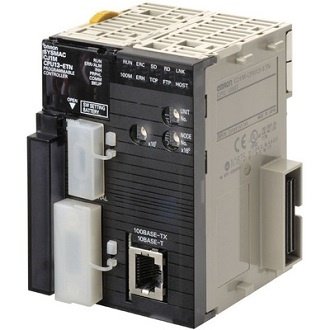 Omron CJ1M-CPU12-ETN PLC CPU Ethernet Unit CJ1MCPU12ETN $1,080.00Add to cart
- Omron CJ1W-AD041-V1 PLC Input Module CJ1WAD041V1 $798.00Add to cart
- Omron CJ1W-OD212 PLC DC Digital Output Module CJ1WOD212 $298.00Add to cart
- Omron CJ2M-CPU12 I/O Control Communication Unit CJ2MCPU12 $698.00Add to cart
- Omron CJ2M-CPU31 PLC Ethernet IP CPU Unit 40 I/O CJ2MCPU31 $1,200.00Add to cart
- Omron Communication Module CS1W-SCB41-V1 $680.00Add to cart
- Omron Communication Module DRT1-COM $710.00Add to cart
- Omron Communications Option Board NX1W-CIF11 $58.00Add to cart
- Omron Communications Option Board NX1W-CIF12 $86.00Add to cart
- Omron CP1L-EM30DR-D PLC CPU Unit I/O Module CP1LEM30DRD $480.00Add to cart
- Omron CP1L-EM30DT-D PLC CPU Unit CP1LEM30DTD $680.00Add to cart
- Omron CP1L-M60DT1-D PLC CPU Unit Logic Module CP1LM60DT1D $830.00Add to cart
- Omron CP1W-32ER Expansion Output Module Unit CP1W32ER $550.00Add to cart
- Omron CP1W-40EDT1 PLC I/O Expansion Module CP1W40EDT1 $420.00Add to cart
- Omron CP1W-8ED 8-Channel DC Digital Input Module CP1W8ED $260.00Add to cart
- Omron CP1W-8ET1 DC Digital Output Expansion Module CP1W8ET1 $145.00Add to cart
- Omron CP1W-DAM01 PLC LCD Option Board CP1WDAM01 $280.00Add to cart
- Omron CPU Control Logic Unit CP1E-E10DT-D $150.00Add to cart
- Omron CPU I/O MODULE Unit CJ2M-CPU11 $450.00Add to cart
- Omron CPU Unit CP1E-N40SDR-A $410.00Add to cart
- Omron CPU Unit CP1H-X40DR-A $680.00Add to cart
- Omron CPU Unit CP1L-M30DT-A $480.00Add to cart
- Omron CS1 PLC Rack Base Unit CS1W-BC103 $450.00Add to cart
- Omron CS1W-AD081-V1 Analog Input Module CS1WAD081V1 $1,050.00Add to cart
- Omron CS1W-EIP21 EtherNet Analog Communication Module CS1WEIP21 $880.00Add to cart
- Omron DeviceNet Communications Unit GRT1-DA2C $510.00Add to cart
- Omron Digital I/O Unit GT1-ID16 $280.00Add to cart
- Omron Digital I/O Unit GT1-ID16-1 $405.00Add to cart
- Omron Digital I/O Unit GT1-ID16DS $310.00Add to cart
- Omron Digital I/O Unit GT1-ID16ML $350.00Add to cart
- Omron Digital I/O Unit GT1-ID16ML-1 $370.00Add to cart
- Omron Digital I/O Unit GT1-ID16MX $360.00Add to cart
- Omron Digital I/O Unit GT1-ID16MX-1 $370.00Add to cart
- Omron Digital I/O Unit GT1-ID32ML $510.00Add to cart
- Omron Digital I/O Unit GT1-ID32ML-1 $520.00Add to cart
- Omron Digital I/O Unit GT1-OD16 $402.00Add to cart
- Omron Digital I/O Unit GT1-OD16-1 $430.00Add to cart
- Omron Digital I/O Unit GT1-OD16DS $420.00Add to cart
- Omron Digital I/O Unit GT1-OD16DS-1 $420.00Add to cart
- Omron Digital I/O Unit GT1-OD16ML $420.00Add to cart
- Omron Digital I/O Unit GT1-OD16ML-1 $420.00Add to cart
- Omron Digital I/O Unit GT1-OD16MX $350.00Add to cart
- Omron Digital I/O Unit GT1-OD16MX-1 $410.00Add to cart
- Omron Digital I/O Unit GT1-OD32ML $480.00Add to cart
- Omron Digital I/O Unit GT1-OD32ML-1 $495.00Add to cart
- Omron Digital Input Module CJ1W-ID261 $705.00Add to cart
- Omron Expansion I/O Unit ZEN-8E1AR $115.00Add to cart
- Omron Expansion Unit CP1W-MAD44 $580.00Add to cart
- Omron Expansion Unit XWT-OD08-1 $260.00Add to cart
- Omron GRT1-DRT DeviceNet Communications Unit GRT1DRT $2,600.00Add to cart
-
 Omron GRT1-ID8 Digital Input Output Module GRT1ID8 $190.00Add to cart
-
Omron GRT1-ID8-1 DC Digital Input Output Module GRT1ID81 $190.00Add to cart
- Omron GT1-AD04 Digital Input Output Module GT1AD04 $900.00Add to cart
- Omron GT1-AD08MX Analog Input Output Module GT1AD08MX $600.00Add to cart
- Omron GT1-DA04MX Analog Input Output Unit Module GT1DA04MX $720.00Add to cart
- Omron GT1-ID16DS-1 Digital Input Output Unit GT1ID16DS1 $900.00Add to cart
- Omron HMC-EF183 128MB Compact Flash Memory Card HMCEF183 $130.00Add to cart
- Omron I/O Module CJ2M-MD211 $298.00Add to cart
- Omron I/O Terminal Block SRT2-OD16 $408.00Add to cart
- Omron I/O Terminal Block SRT2-OD16-1 $420.00Add to cart
- Omron Input Unit CJ1W-IA111 $330.00Add to cart
- Omron IO-Link Master Unit NX-ILM400 $380.00Add to cart
- Omron Mixed I/O Unit CJ1W-MD231 $410.00Add to cart
- Omron Mixed I/O Unit CJ1W-MD233 $410.00Add to cart
- Omron NX-ID3417 PLC 4 Digital Input Module NXID3417 $280.00Add to cart
- Omron NX-OD4121 PLC 8 Digital Output Module NXOD4121 $130.00Add to cart
- Omron NX-OD5256 PLC Expansion Output Module NXOD5256 $398.00Add to cart
- Omron NX1P2-1140DT CPU Input Output Module NX1P21140DT $2,450.00Add to cart
- Omron NX1P2-1140DT1 PLC Input Output Module NX1P21140DT1 $2,460.00Add to cart
- Omron NX1W-CIF01 Communications Option Board NX1WCIF01 $88.00Add to cart
- Omron NX1W-DAB21V Analog Input Output Module NX1WDAB21V $200.00Add to cart
- Omron PLC 8 Slot Back Plane C200HW-BC081-V1 $310.00Add to cart
- Omron PLC 8PT Isolated RTU Input Unit CS1W-PTS56 $1,590.00Add to cart
- Omron PLC Adapter CP1W-EXT01 $110.00Add to cart
- Omron PLC Analog I/O Module CJ1W-AD081-V1 $940.00Add to cart
- Omron PLC Analog I/O Module CP1W-MAD11 $350.00Add to cart
- Omron PLC Analog Input Module CJ1W-AD04U $610.00Add to cart
- Omron PLC Analog Module CJ1W-MAD42 $660.00Add to cart
- Omron PLC Analog Output Unit CS1W-DA08C $1,300.00Add to cart
- Omron PLC Applicable Connector C500-CE404 $84.00Add to cart
- Omron PLC Backplane CS1W-BC083 $430.00Add to cart
- Omron PLC Battery CP1W-BAT01 $30.00Add to cart
- Omron PLC Battery CS1W-BAT01 $109.00Add to cart
- Omron PLC Board CP1W-CIF11 $52.00Add to cart
- Omron PLC Cable CS1W-CN114 $138.00Add to cart
- Omron PLC Cable CS1W-CN118 $140.00Add to cart
- Omron PLC Cable CS1W-CN713 $210.00Add to cart
- Omron PLC CJ-series Quick-response Input Unit CJ1W-IDP01 $430.00Add to cart
- Omron PLC CJ1W-PA202 $200.00Add to cart
- Omron PLC Communication Unit CJ1W-SCU31-V1 $650.00Add to cart
- Omron PLC Communications Module CJ1W-SCU41-V1 $620.00Add to cart
- Omron PLC Communications Module Unit CJ1W-SRM21 $386.00Add to cart
- Omron PLC Control Logic CP1H-X40DT-D $810.00Add to cart
- Omron PLC Control Logic CP1H-XA40DR-A $1,040.00Add to cart
- Omron PLC Control Logic CP1H-XA40DT-D $1,020.00Add to cart
- Omron PLC Control Logic CP1H-XA40DT1-D $1,060.00Add to cart
- Omron PLC CONTROL LOGIC CP1H-Y20DT-D $990.00Add to cart
- Omron PLC Control Logic CP1L-EL20DR-D $420.00Add to cart
- Omron PLC Control Logic CP1L-EM40DR-D $690.00Add to cart
- Omron PLC CONTROL LOGIC CP1L-EM40DT-D $670.00Add to cart
- Omron PLC Control Logic CP1L-L14DR-A $325.00Add to cart
- Omron PLC CONTROL LOGIC CP1L-L14DR-D $340.00Add to cart
- Omron PLC Control Logic CP1L-L14DT-A $390.00Add to cart
- Omron PLC CONTROL LOGIC CP1L-L14DT-D $330.00Add to cart
- Omron PLC CONTROL LOGIC CP1L-L14DT1-D $330.00Add to cart
- Omron PLC Control logic CP1L-L20DR-A $410.00Add to cart
- Omron PLC CONTROL LOGIC CP1L-L20DR-D $330.00Add to cart
- Omron PLC CONTROL LOGIC CP1L-L20DT-D $410.00Add to cart
- Omron PLC CONTROL LOGIC CP1L-L20DT1-D $396.00Add to cart
- Omron PLC CONTROL LOGIC CP1L-M30DR-A $430.00Add to cart
- Omron PLC CONTROL LOGIC CP1L-M30DR-D $440.00Add to cart
- Omron PLC CONTROL LOGIC CP1L-M30DT-D $452.00Add to cart
- Omron PLC Control Logic CP1L-M40DR-A $610.00Add to cart
- Omron PLC Control Logic CP1L-M40DR-D $650.00Add to cart
- Omron PLC Control Logic CP1L-M40DT-D $605.00Add to cart
- Omron PLC Control Logic CP1L-M40DT1-D $605.00Add to cart
- Omron PLC Control Logic CP1L-M60DR-D $850.00Add to cart
- Omron PLC CONTROL LOGIC EIP CJ2M-CPU32 $1,300.00Add to cart
- Omron PLC Control Logig CP1L-M30DT1-D $600.00Add to cart
- Omron PLC CP1E-E30SDR-A $216.00Add to cart
- Omron PLC CP1E-E40SDR-A $598.00Add to cart
- Omron PLC CP1E-N60S1DR-A $442.00Add to cart
- Omron PLC CPU Unit CJ1M-CPU21 $960.00Add to cart
- Omron PLC CPU Unit CJ2H-CPU64-EIP $3,010.00Add to cart
- Omron PLC CPU Unit CJ2M-CPU13 $885.00Add to cart
- Omron PLC CPU Unit CJ2M-CPU33 $1,270.00Add to cart
- Omron PLC CPU Unit CP1E-E10DR-A $190.00Add to cart
- Omron PLC CPU Unit CP1E-N20DR-A $280.00Add to cart
- Omron PLC CPU Unit CP1E-N20DT-D $310.00Add to cart
- Omron PLC CPU Unit CP1E-N20DT1-A $330.00Add to cart
- Omron PLC CPU Unit CP1E-N20DT1-D $280.00Add to cart
- Omron PLC CPU Unit CP1E-N30DT-A $356.00Add to cart
- Omron PLC CPU Unit CP1E-N30DT-D $380.00Add to cart
- Omron PLC CPU Unit CP1E-N30DT1-A $380.00Add to cart
- Omron PLC CPU Unit CP1E-N30DT1-D $330.00Add to cart
- Omron PLC CPU Unit CP1E-N30SDR-A $350.00Add to cart
- Omron PLC CPU Unit CP1E-N40DR-A $530.00Add to cart
- Omron PLC CPU Unit CP1E-N40DR-D $510.00Add to cart
- Omron PLC CPU Unit CP1E-N40DT-A $510.00Add to cart
- Omron PLC CPU Unit CP1E-N40DT-D $500.00Add to cart
- Omron PLC CPU Unit CP1E-N40DT1-A $490.00Add to cart
- Omron PLC CPU Unit CP1E-N40DT1-D $560.00Add to cart
- Omron PLC CPU Unit CP1E-NA20DR-A $530.00Add to cart
- Omron PLC CPU Unit CP1E-NA20DT-D $520.00Add to cart
- Omron PLC CPU Unit CP1L-EM30DT1-D $600.00Add to cart
- Omron PLC CPU Unit CP1L-M60DR-A $820.00Add to cart
- Omron PLC CPU Unit CP1L-M60DT-D $590.00Add to cart
- Omron PLC CPU Unit CS1G-CPU44H $1,550.00Add to cart
- Omron PLC CPU Unit ZEN-10C3DR-D-V2 $165.00Add to cart
-
 Omron PLC CPU Unit ZEN-20C3DR-D-V2 $205.00Add to cart
- Omron PLC DC Input Module CJ1W-ID232 $298.00Add to cart
- Omron PLC DeviceNet Master Unit CJ1W-DRM21 $640.00Add to cart
- Omron PLC Digital Output Module CJ1W-OD261 $550.00Add to cart
- Omron PLC END PLATE Module CJ1W-TER01 $125.00Add to cart
- Omron PLC Ethernet Module CJ1W-ETN21 $1,190.00Add to cart
- Omron PLC Ethernet Option Board CP1W-CIF12 $105.00Add to cart
- Omron PLC Ethernet Option Board CP1W-CIF41 $298.00Add to cart
- Omron PLC Expansion Backplane CS1W-BI103 $480.00Add to cart
- Omron PLC Expansion Module CP1W-16ET1 $270.00Add to cart
- Omron PLC Expansion Module CP1W-20EDR1 $300.00Add to cart
- Omron PLC Expansion Module CP1W-20EDT $225.00Add to cart
- Omron PLC Extension Module CP1W-8ET $140.00Add to cart
- Omron PLC I/O Cable CP1W-CN811 $85.00Add to cart
- Omron PLC I/O Control Unit CJ1W-IC101 $210.00Add to cart
- Omron PLC I/O Module CP1W-20EDT1 $300.00Add to cart
- Omron PLC I/O Module CP1W-40EDR $496.00Add to cart
- Omron PLC I/O Unit CJ1W-II101 $245.00Add to cart
- Omron PLC Input Module CJ1W-B7A14 $530.00Add to cart
- Omron PLC Input Module CJ1W-ID211 $300.00Add to cart
- Omron PLC Input Module CJ1W-ID231 $380.00Add to cart
- Omron PLC Input Module CJ1W-ID262 $520.00Add to cart
- Omron PLC Input Module CJ1W-PTS52 $695.00Add to cart
- Omron PLC Input Module CP1W-8ER $210.00Add to cart
- Omron PLC Input Module CP1W-AD041 $420.00Add to cart
- Omron PLC Input Module CP1W-TS001 $305.00Add to cart
- Omron PLC Input Module CP1W-TS002 $350.00Add to cart
- Omron PLC Input Module CP1W-TS101 $280.00Add to cart
- Omron PLC Input Module CS1W-ID211 $318.00Add to cart
- Omron PLC Input Module NX-ID3317 $107.00Add to cart
- Omron PLC Input Module NX-ID3343 $152.00Add to cart
- Omron PLC Input Module NX-ID3443 $150.00Add to cart
- Omron PLC Input Module NX-ID4342 $126.00Add to cart
- Omron PLC Input Module NX-ID4442 $126.00Add to cart
- Omron PLC Input Module NX-ID5142-1 $230.00Add to cart
- Omron PLC Input Module NX-ID5342 $165.00Add to cart
- Omron PLC Input Module NX-ID5442 $167.00Add to cart
- Omron PLC Input Module NX-ID6142-5 $315.00Add to cart
- Omron PLC Input Module NX-ID6142-6 $395.00Add to cart
- Omron PLC Input Module NX-OD2154 $118.00Add to cart
- Omron PLC Input Module NX-OD2258 $128.00Add to cart
- Omron PLC Logic Control CP1H-X40DT1-D $830.00Add to cart
- Omron PLC Module CJ1W-SCU21-V1 $599.00Add to cart
- Omron PLC Module CP1W-40EDT $370.00Add to cart
- Omron PLC Module NX-IA3117 $108.00Add to cart
- Omron PLC Module NX-ID3344 $170.00Add to cart
- Omron PLC Module NX-ID3444 $210.00Add to cart
- Omron PLC Module NX-ID5142-5 $199.00Add to cart
- Omron PLC Module NX1P2-1040DT $1,490.00Add to cart
- Omron PLC Module NX1P2-1040DT1 $1,650.00Add to cart
- Omron PLC Module NX1P2-9024DT $850.00Add to cart
- Omron PLC Module NX1P2-9024DT1 $996.00Add to cart
- Omron PLC Output Expansion Module XWT-OD16-1 $295.00Add to cart
- Omron PLC Output Module CJ1W-DA021 $656.00Add to cart
- Omron PLC Output Module CJ1W-DA08C $840.00Add to cart
- Omron PLC Output Module CJ1W-DA08V $830.00Add to cart
- Omron PLC Output Module CJ1W-OC211 $310.00Add to cart
- Omron PLC Output Module CJ1W-OD211 $260.00Add to cart
- Omron PLC Output Module CJ1W-OD231 $250.00Add to cart
- Omron PLC Output Module CJ1W-OD232 $430.00Add to cart
- Omron PLC Output Module CJ1W-OD262 $520.00Add to cart
- Omron PLC Output Module CP1W-DA021 $320.00Add to cart
- Omron PLC Output Module CP1W-DA041 $310.00Add to cart
- Omron PLC Output Module CS1W-OC211 $398.00Add to cart
- Omron PLC Output Module NX-OD3121 $108.00Add to cart
- Omron PLC Output Module NX-OD3153 $168.00Add to cart
- Omron PLC Output Module NX-OD3256 $95.00Add to cart
- Omron PLC Output Module NX-OD3257 $170.00Add to cart
- Omron PLC Output Module NX-OD3268 $205.00Add to cart
- Omron PLC Output Module NX-OD4256 $116.00Add to cart
- Omron PLC Output Module NX-OD5121 $168.00Add to cart
- Omron PLC Output Unit CJ1W-OC201 $210.00Add to cart
- Omron PLC Output Unit CP1W-16ER $240.00Add to cart
- Omron PLC Position Control Module CJ1W-NC413 $1,660.00Add to cart
- Omron PLC Power Supply C200HW-PA204 $400.00Add to cart
- Omron PLC Power Supply C200HW-PA204S $699.00Add to cart
- Omron PLC Power Supply CJ1W-PA205R $260.00Add to cart
- Omron PLC Power Supply CJ1W-PD022 $140.00Add to cart
- Omron PLC Power Supply CJ1W-PD025 $270.00Add to cart
- Omron PLC Power Supply S8VM-15024CD $320.00Add to cart
- Omron PLC Power Supply Unit CJ1W-PA205C $400.00Add to cart
- Omron PLC RS-232C Option Board CP1W-CIF01 $60.00Add to cart
- Omron PLC Temperature Control CJ1W-TC002 $810.00Add to cart
- Omron PLC Temperature Control Module CJ1W-TC101 $810.00Add to cart
- Omron Programmable Relay ZEN-10C2AR-A-V2 $150.00Add to cart
- Omron Relay Output Unit GT1-ROS16 $640.00Add to cart
- Omron Remote I/O Terminal SRT2-OD04 $250.00Add to cart
- Omron Remote Terminal Module SRT2-ROC08 $355.00Add to cart
- Omron Remote Terminal SRT2-ID08 $310.00Add to cart
- Omron Remote Terminal SRT2-ID16 $280.00Add to cart
- Omron S8VM-100 24CD PLC Power Supply S8VM100 $280.00Add to cart
- Omron Special I/O Module CJ1W-CT021 $910.00Add to cart
- Omron Temperature Control Unit NX-AUX02 $24.00Add to cart
- Omron Temperature Control Unit NX-TC2405 $405.00Add to cart
- Omron Temperature Control Unit NX-TC2406 $350.00Add to cart
- Omron Temperature Control Unit NX-TC2407 $420.00Add to cart
- Omron Temperature Control Unit NX-TC2408 $396.00Add to cart
- Omron Temperature Control Unit NX-TC3405 $580.00Add to cart
- Omron Temperature Control Unit NX-TC3406 $520.00Add to cart
- Omron Temperature Control Unit NX-TC3407 $615.00Add to cart
- Omron Temperature Control Unit NX-TC3408 $640.00Add to cart
- Omron Turnback Unit GRT1-TBL $120.00Add to cart
- Omron Turnback Unit GRT1-TBR $64.00Add to cart
- Omron XWT-ID16-1 DC Digital Inputs Expansion Unit XWTID161 $350.00Add to cart
Leave a Reply