
Omron CP Series PLC: Complete Guide to Compact Industrial Controllers Applications
The Omron CP Series PLC is a family of compact programmable logic controllers designed to deliver reliable machine control, flexible communications, and scalable automation for small to medium-sized applications. Whether you’re building a packaging machine, controlling a conveyor, or integrating a complete production cell, the CP Series offers a balance of performance, affordability, and ease of programming. This guide explains the architecture, models, features, programming environment, communications, applications, and selection criteria to help engineers, OEMs, and maintenance professionals choose the right controller for their projects.
Modern manufacturing depends on controllers that can make fast decisions, communicate with multiple devices, and operate continuously in demanding industrial environments. While large programmable logic controllers (PLCs) often power complex production lines, many machines require a compact controller that delivers enterprise-level reliability without unnecessary complexity. That is precisely where the Omron CP Series PLC excels.
For decades, Omron has been recognized as one of the world’s leading automation manufacturers. The company’s PLC portfolio spans everything from micro controllers for standalone equipment to high-performance machine automation controllers used in sophisticated manufacturing facilities. The CP Series bridges the gap between simple relay replacement and advanced machine control, making it one of the most widely deployed compact PLC families in manufacturing.
Whether you are designing new equipment, upgrading legacy controls, or replacing aging automation hardware, understanding the capabilities of the Omron CP Series can help you make informed engineering decisions.
What Is the Omron CP Series PLC?
The Omron CP Series PLC is a family of compact programmable logic controllers designed for machine automation applications where space, reliability, and cost efficiency are important considerations. Unlike modular rack-based PLC systems intended for large process plants, CP Series controllers integrate the CPU, power supply, and I/O into a compact enclosure while still supporting expansion modules, networking, and advanced motion control capabilities. The series includes several models, each tailored to different automation requirements.
Common CP Series families include:
CP1E
CP1L
CP1H
CP2E
CP2M
Although these controllers share many programming concepts, each offers different processing capabilities, memory capacity, communication options, and expansion potential.
The CP Series is commonly used in:
Packaging machinery
Conveyor systems
Food and beverage equipment
Material handling systems
Textile machinery
Water treatment skids
HVAC equipment
Machine tools
Assembly machines
OEM equipment
Their compact footprint makes them especially attractive for machines with limited control panel space.
Omron CP Series Product Family Overview
CP1E Series
The CP1E is an economical entry-level PLC intended for basic machine control.
Key characteristics include:
Compact integrated design
Digital I/O
High-speed counters
Pulse outputs
Relay and transistor models
Basic serial communications
The CP1E is well suited for replacing relay logic and automating standalone machines.
CP1L Series
The CP1L expands upon the CP1E by adding greater memory, faster processing, Ethernet options on selected models, and more advanced networking capabilities.
It is one of Omron’s most popular PLC platforms because it provides excellent performance while remaining affordable.
Typical applications include:
Packaging equipment
Filling machines
Conveyor automation
Pick-and-place systems
Industrial machinery
CP1H Series
The CP1H targets higher-performance machine automation.
Additional capabilities include:
High-speed positioning
Multiple pulse outputs
Larger program memory
Analog expansion
Servo control
Advanced communications
For motion-intensive applications, the CP1H provides considerably more flexibility than entry-level controllers.
CP2E Series
The CP2E represents Omron’s next-generation compact PLC for cost-sensitive applications.
Major improvements include:
USB programming
Ethernet on selected models
Better memory capacity
Improved communications
Faster execution speeds
Many OEMs now select the CP2E for new machine designs.
CP2M Series
The CP2M is the flagship compact PLC within the CP family.
It combines:
High-speed CPU
Built-in Ethernet
USB programming
OPC UA readiness through integration
IIoT connectivity
Advanced networking
Expanded data handling
For manufacturers preparing for Industry 4.0 initiatives, the CP2M offers significantly more connectivity than earlier CP Series models.
Key Features of Omron CP Series PLCs
Compact Design
One of the biggest advantages of the CP Series is its compact physical footprint. Machine builders frequently struggle with limited cabinet space. By integrating the processor, power supply, and I/O into one housing, Omron reduces panel size while simplifying installation. This also lowers enclosure costs and shortens wiring time.
Flexible I/O Expansion
Although compact, the CP Series remains highly expandable.
Available expansion modules include:
Digital input modules
Digital output modules
Analog inputs
Analog outputs
Temperature inputs
Communication modules
Position control units
This flexibility allows engineers to start with a small system and expand it as production requirements grow.
High-Speed Processing
Many manufacturing processes require rapid response times.
The CP Series supports:
High-speed counters
Interrupt processing
Pulse train outputs
Encoder inputs
Fast logic execution
These capabilities enable precise control of conveyors, indexing systems, servo drives, and packaging equipment.
Built-in Communication Ports
Depending on the model, communication options include:
USB
RS-232C
RS-485
Ethernet
Modbus RTU
EtherNet/IP support through compatible gateways and integrated solutions
Reliable communication allows the PLC to exchange information with HMIs, variable frequency drives, barcode scanners, sensors, and supervisory software.
Advanced Programming Functions
The CP Series supports sophisticated programming instructions, including:
Mathematical operations
PID process control
Data logging
Recipe management
Timers
Counters
Floating-point calculations
These functions reduce the need for external controllers.
Programming the Omron CP Series PLC
Programming is performed using Omron CX-Programmer, part of the CX-One software suite, or Sysmac Studio for newer CP2-series controllers and integrated environments, depending on the model and project requirements. The software supports multiple IEC 61131-3 programming approaches, with Ladder Diagram (LD) being the most common for the CP Series.
Popular programming functions include:
Motor control
Alarm handling
Sequential operations
Machine interlocking
Conveyor control
Timer logic
Counter applications
Analog scaling
Engineers can also perform online monitoring, diagnostics, forcing, simulation (where supported), and troubleshooting directly from the programming software, reducing commissioning time.
For readers who are new to PLC programming, explore related resources on Automation Pioneer such as PLC Programming Basics, Ladder Logic Programming Guide, and PLC Troubleshooting Guide.
Communication Capabilities of Omron CP Series PLC
Modern factories demand connected machines. The Omron CP Series supports communication with numerous industrial devices.
Examples include:
Human-Machine Interfaces (HMIs)
Operators can monitor production through Omron NB Series HMIs and other compatible operator interfaces.
Variable Frequency Drives
The PLC can exchange commands and status information with variable frequency drives to regulate motor speed and improve process efficiency.
Servo Systems
High-speed positioning functions enable precise motion control in labeling machines, pick-and-place equipment, and indexing systems.
Barcode Readers
Production systems can verify products and track manufacturing data using integrated barcode scanners.
Sensors
The PLC communicates with:
Photoelectric sensors
Proximity sensors
Vision systems
Temperature controllers
Safety devices
This creates a fully integrated automation solution.
Typical Industrial Applications of Omron CP Series PLC
The versatility of the Omron CP Series makes it suitable for a broad range of industries.
Packaging
Packaging machinery benefits from:
High-speed counting
Encoder feedback
Motion synchronization
Product tracking
Food and Beverage
Applications include:
Filling machines
Bottle conveyors
Mixing systems
Labeling equipment
Palletizers
Water and Wastewater
Compact PLCs control:
Pumps
Valves
Chemical dosing
Tank levels
Flow monitoring
Material Handling
The CP Series is commonly used for:
Conveyor systems
Sorting machines
Automated warehouses
Distribution centers
OEM Machinery
Machine builders appreciate the CP Series because it offers:
Reliable operation
Global availability
Long product lifecycle
Easy programming
Competitive pricing
Advantages of Choosing an Omron CP Series PLC
Manufacturers and OEMs continue to deploy the CP Series because it provides:
Compact hardware for space-constrained control panels
Reliable operation in industrial environments
Flexible expansion for future growth
Fast execution for machine control
Strong integration with Omron automation products
Broad communication capabilities
Long-term product support
Excellent value over the equipment lifecycle
These advantages make the CP Series an excellent fit for both new installations and retrofit projects.
How to Select the Right Omron CP Series PLC
Choosing the correct PLC begins with a clear understanding of your application.
Evaluate the following factors:
Number of digital inputs and outputs
Need for analog signals
Required communication protocols
Motion control requirements
Future expansion plans
Programming environment
Environmental conditions
Available panel space
Budget and lifecycle expectations
For simple standalone machines, a CP1E or CP2E may be sufficient. Applications requiring advanced networking, higher memory capacity, or motion control may be better served by a CP1H or CP2M.
Recommended Automation Pioneer Resources
Continue exploring related Omron Programmable Logic Controllers (PLCs) in industrial automation topics:
- PLCs & Controllers
- Omron Programmable Logic Controllers (PLCs)
- Omron NX Series PLC
- Omron NJ Series PLC
- Omron CP Series PLC
- Omron PLC Programming
- Omron PLC Communication Protocols
- Omron PLC vs Siemens PLC
- Omron PLC Troubleshooting
- Omron PLC Applications
- Omron PLC Selection Guide
These related articles provide additional insights into industrial control architectures, networking technologies, and automation best practices.
Frequently Asked Questions
What is the Omron CP Series PLC used for?
The Omron CP Series PLC is used to automate machinery and industrial processes such as packaging, conveyor control, material handling, water treatment, food processing, and OEM equipment.
What is the difference between the Omron CP1E and CP1L?
The CP1E is designed for basic machine control and cost-sensitive applications, while the CP1L offers greater memory, faster processing, additional communication options, and expanded functionality for more demanding automation tasks.
Which Omron CP Series PLC is best for new machine designs?
The answer depends on the application’s complexity. For many new compact machines, the CP2E provides an excellent balance of cost and capability, while the CP2M is better suited for applications requiring Ethernet connectivity, advanced networking, and Industry 4.0 integration.
Can the Omron CP Series PLC communicate with HMIs and VFDs?
Yes. Depending on the model and communication interfaces, CP Series PLCs can communicate with HMIs, variable frequency drives, sensors, barcode readers, and other industrial devices using standard industrial communication protocols.
Is the Omron CP Series suitable for motion control?
Yes. Models such as the CP1H and CP2M support high-speed counters, pulse outputs, and positioning functions that make them suitable for controlling servo systems, indexing tables, and packaging machinery.
Which software is used to program Omron CP Series PLCs?
Most CP1-series controllers are programmed with CX-Programmer (part of the CX-One suite), while newer CP2-series controllers can be configured using the appropriate Omron software tools, including Sysmac Studio where supported.
Can an Omron CP Series PLC be expanded?
Yes. Many CP Series models support expansion modules for additional digital I/O, analog I/O, temperature measurement, communication interfaces, and specialized control functions, allowing the system to grow with changing application requirements.
How long do Omron CP Series PLCs typically last?
With proper installation, environmental protection, and preventive maintenance, Omron PLCs are known for long service lives and are commonly used in industrial facilities for many years. Periodic inspection, battery replacement where applicable, and firmware management help maximize reliability.
Check Our Comprehensive Automation Brands Get Latest Industrial Automation NewsYour One-Stop Source for Reliable Omron PLCs, Industrial Automation & Process Control Equipment
Access trusted Omron PLCs process control equipment, expert support, and fast sourcing—all in one place.
Check Our Comprehensive Omron Programmable Logic Controllers (PLCs)- Omron Analog I/O Option Board NX1W-ADB21 $98.00Add to cart
- Omron Analog I/O Option Board NX1W-MAB221 $170.00Add to cart
- Omron Analog I/O Terminal DRT2-AD04 $630.00Add to cart
- Omron Analog I/O Terminal DRT2-DA02 $530.00Add to cart
- Omron Analog Output Module CJ1W-DA041 $860.00Add to cart
- Omron Applicable B7A Link Terminal B7A-T6E3 $180.00Add to cart
- Omron Backplane CS1W-BI033 $325.00Add to cart
- Omron CJ1M-CPU12 Programmable Logic Controller CPU Unit CJ1MCPU12 $1,280.00Add to cart
-
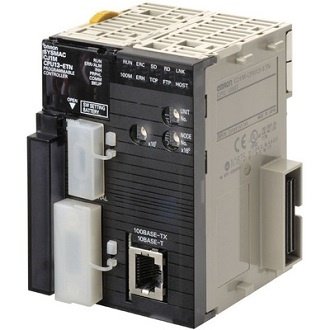 Omron CJ1M-CPU12-ETN PLC CPU Ethernet Unit CJ1MCPU12ETN $1,080.00Add to cart
- Omron CJ1W-AD041-V1 PLC Input Module CJ1WAD041V1 $798.00Add to cart
- Omron CJ1W-OD212 PLC DC Digital Output Module CJ1WOD212 $298.00Add to cart
- Omron CJ2M-CPU12 I/O Control Communication Unit CJ2MCPU12 $698.00Add to cart
- Omron CJ2M-CPU31 PLC Ethernet IP CPU Unit 40 I/O CJ2MCPU31 $1,200.00Add to cart
- Omron Communication Module CS1W-SCB41-V1 $680.00Add to cart
- Omron Communication Module DRT1-COM $710.00Add to cart
- Omron Communications Option Board NX1W-CIF11 $58.00Add to cart
- Omron Communications Option Board NX1W-CIF12 $86.00Add to cart
- Omron CP1L-EM30DR-D PLC CPU Unit I/O Module CP1LEM30DRD $480.00Add to cart
- Omron CP1L-EM30DT-D PLC CPU Unit CP1LEM30DTD $680.00Add to cart
- Omron CP1L-M60DT1-D PLC CPU Unit Logic Module CP1LM60DT1D $830.00Add to cart
- Omron CP1W-32ER Expansion Output Module Unit CP1W32ER $550.00Add to cart
- Omron CP1W-40EDT1 PLC I/O Expansion Module CP1W40EDT1 $420.00Add to cart
- Omron CP1W-8ED 8-Channel DC Digital Input Module CP1W8ED $260.00Add to cart
- Omron CP1W-8ET1 DC Digital Output Expansion Module CP1W8ET1 $145.00Add to cart
- Omron CP1W-DAM01 PLC LCD Option Board CP1WDAM01 $280.00Add to cart
- Omron CPU Control Logic Unit CP1E-E10DT-D $150.00Add to cart
- Omron CPU I/O MODULE Unit CJ2M-CPU11 $450.00Add to cart
- Omron CPU Unit CP1E-N40SDR-A $410.00Add to cart
- Omron CPU Unit CP1H-X40DR-A $680.00Add to cart
- Omron CPU Unit CP1L-M30DT-A $480.00Add to cart
- Omron CS1 PLC Rack Base Unit CS1W-BC103 $450.00Add to cart
- Omron CS1W-AD081-V1 Analog Input Module CS1WAD081V1 $1,050.00Add to cart
- Omron CS1W-EIP21 EtherNet Analog Communication Module CS1WEIP21 $880.00Add to cart
- Omron DeviceNet Communications Unit GRT1-DA2C $510.00Add to cart
- Omron Digital I/O Unit GT1-ID16 $280.00Add to cart
- Omron Digital I/O Unit GT1-ID16-1 $405.00Add to cart
- Omron Digital I/O Unit GT1-ID16DS $310.00Add to cart
- Omron Digital I/O Unit GT1-ID16ML $350.00Add to cart
- Omron Digital I/O Unit GT1-ID16ML-1 $370.00Add to cart
- Omron Digital I/O Unit GT1-ID16MX $360.00Add to cart
- Omron Digital I/O Unit GT1-ID16MX-1 $370.00Add to cart
- Omron Digital I/O Unit GT1-ID32ML $510.00Add to cart
- Omron Digital I/O Unit GT1-ID32ML-1 $520.00Add to cart
- Omron Digital I/O Unit GT1-OD16 $402.00Add to cart
- Omron Digital I/O Unit GT1-OD16-1 $430.00Add to cart
- Omron Digital I/O Unit GT1-OD16DS $420.00Add to cart
- Omron Digital I/O Unit GT1-OD16DS-1 $420.00Add to cart
- Omron Digital I/O Unit GT1-OD16ML $420.00Add to cart
- Omron Digital I/O Unit GT1-OD16ML-1 $420.00Add to cart
- Omron Digital I/O Unit GT1-OD16MX $350.00Add to cart
- Omron Digital I/O Unit GT1-OD16MX-1 $410.00Add to cart
- Omron Digital I/O Unit GT1-OD32ML $480.00Add to cart
- Omron Digital I/O Unit GT1-OD32ML-1 $495.00Add to cart
- Omron Digital Input Module CJ1W-ID261 $705.00Add to cart
- Omron Expansion I/O Unit ZEN-8E1AR $115.00Add to cart
- Omron Expansion Unit CP1W-MAD44 $580.00Add to cart
- Omron Expansion Unit XWT-OD08-1 $260.00Add to cart
- Omron GRT1-DRT DeviceNet Communications Unit GRT1DRT $2,600.00Add to cart
-
 Omron GRT1-ID8 Digital Input Output Module GRT1ID8 $190.00Add to cart
-
Omron GRT1-ID8-1 DC Digital Input Output Module GRT1ID81 $190.00Add to cart
- Omron GT1-AD04 Digital Input Output Module GT1AD04 $900.00Add to cart
- Omron GT1-AD08MX Analog Input Output Module GT1AD08MX $600.00Add to cart
- Omron GT1-DA04MX Analog Input Output Unit Module GT1DA04MX $720.00Add to cart
- Omron GT1-ID16DS-1 Digital Input Output Unit GT1ID16DS1 $900.00Add to cart
- Omron HMC-EF183 128MB Compact Flash Memory Card HMCEF183 $130.00Add to cart
- Omron I/O Module CJ2M-MD211 $298.00Add to cart
- Omron I/O Terminal Block SRT2-OD16 $408.00Add to cart
- Omron I/O Terminal Block SRT2-OD16-1 $420.00Add to cart
- Omron Input Unit CJ1W-IA111 $330.00Add to cart
- Omron IO-Link Master Unit NX-ILM400 $380.00Add to cart
- Omron Mixed I/O Unit CJ1W-MD231 $410.00Add to cart
- Omron Mixed I/O Unit CJ1W-MD233 $410.00Add to cart
- Omron NX-ID3417 PLC 4 Digital Input Module NXID3417 $280.00Add to cart
- Omron NX-OD4121 PLC 8 Digital Output Module NXOD4121 $130.00Add to cart
- Omron NX-OD5256 PLC Expansion Output Module NXOD5256 $398.00Add to cart
- Omron NX1P2-1140DT CPU Input Output Module NX1P21140DT $2,450.00Add to cart
- Omron NX1P2-1140DT1 PLC Input Output Module NX1P21140DT1 $2,460.00Add to cart
- Omron NX1W-CIF01 Communications Option Board NX1WCIF01 $88.00Add to cart
- Omron NX1W-DAB21V Analog Input Output Module NX1WDAB21V $200.00Add to cart
- Omron PLC 8 Slot Back Plane C200HW-BC081-V1 $310.00Add to cart
- Omron PLC 8PT Isolated RTU Input Unit CS1W-PTS56 $1,590.00Add to cart
- Omron PLC Adapter CP1W-EXT01 $110.00Add to cart
- Omron PLC Analog I/O Module CJ1W-AD081-V1 $940.00Add to cart
- Omron PLC Analog I/O Module CP1W-MAD11 $350.00Add to cart
- Omron PLC Analog Input Module CJ1W-AD04U $610.00Add to cart
- Omron PLC Analog Module CJ1W-MAD42 $660.00Add to cart
- Omron PLC Analog Output Unit CS1W-DA08C $1,300.00Add to cart
- Omron PLC Applicable Connector C500-CE404 $84.00Add to cart
- Omron PLC Backplane CS1W-BC083 $430.00Add to cart
- Omron PLC Battery CP1W-BAT01 $30.00Add to cart
- Omron PLC Battery CS1W-BAT01 $109.00Add to cart
- Omron PLC Board CP1W-CIF11 $52.00Add to cart
- Omron PLC Cable CS1W-CN114 $138.00Add to cart
- Omron PLC Cable CS1W-CN118 $140.00Add to cart
- Omron PLC Cable CS1W-CN713 $210.00Add to cart
- Omron PLC CJ-series Quick-response Input Unit CJ1W-IDP01 $430.00Add to cart
- Omron PLC CJ1W-PA202 $200.00Add to cart
- Omron PLC Communication Unit CJ1W-SCU31-V1 $650.00Add to cart
- Omron PLC Communications Module CJ1W-SCU41-V1 $620.00Add to cart
- Omron PLC Communications Module Unit CJ1W-SRM21 $386.00Add to cart
- Omron PLC Control Logic CP1H-X40DT-D $810.00Add to cart
- Omron PLC Control Logic CP1H-XA40DR-A $1,040.00Add to cart
- Omron PLC Control Logic CP1H-XA40DT-D $1,020.00Add to cart
- Omron PLC Control Logic CP1H-XA40DT1-D $1,060.00Add to cart
- Omron PLC CONTROL LOGIC CP1H-Y20DT-D $990.00Add to cart
- Omron PLC Control Logic CP1L-EL20DR-D $420.00Add to cart
- Omron PLC Control Logic CP1L-EM40DR-D $690.00Add to cart
- Omron PLC CONTROL LOGIC CP1L-EM40DT-D $670.00Add to cart
- Omron PLC Control Logic CP1L-L14DR-A $325.00Add to cart
- Omron PLC CONTROL LOGIC CP1L-L14DR-D $340.00Add to cart
- Omron PLC Control Logic CP1L-L14DT-A $390.00Add to cart
- Omron PLC CONTROL LOGIC CP1L-L14DT-D $330.00Add to cart
- Omron PLC CONTROL LOGIC CP1L-L14DT1-D $330.00Add to cart
- Omron PLC Control logic CP1L-L20DR-A $410.00Add to cart
- Omron PLC CONTROL LOGIC CP1L-L20DR-D $330.00Add to cart
- Omron PLC CONTROL LOGIC CP1L-L20DT-D $410.00Add to cart
- Omron PLC CONTROL LOGIC CP1L-L20DT1-D $396.00Add to cart
- Omron PLC CONTROL LOGIC CP1L-M30DR-A $430.00Add to cart
- Omron PLC CONTROL LOGIC CP1L-M30DR-D $440.00Add to cart
- Omron PLC CONTROL LOGIC CP1L-M30DT-D $452.00Add to cart
- Omron PLC Control Logic CP1L-M40DR-A $610.00Add to cart
- Omron PLC Control Logic CP1L-M40DR-D $650.00Add to cart
- Omron PLC Control Logic CP1L-M40DT-D $605.00Add to cart
- Omron PLC Control Logic CP1L-M40DT1-D $605.00Add to cart
- Omron PLC Control Logic CP1L-M60DR-D $850.00Add to cart
- Omron PLC CONTROL LOGIC EIP CJ2M-CPU32 $1,300.00Add to cart
- Omron PLC Control Logig CP1L-M30DT1-D $600.00Add to cart
- Omron PLC CP1E-E30SDR-A $216.00Add to cart
- Omron PLC CP1E-E40SDR-A $598.00Add to cart
- Omron PLC CP1E-N60S1DR-A $442.00Add to cart
- Omron PLC CPU Unit CJ1M-CPU21 $960.00Add to cart
- Omron PLC CPU Unit CJ2H-CPU64-EIP $3,010.00Add to cart
- Omron PLC CPU Unit CJ2M-CPU13 $885.00Add to cart
- Omron PLC CPU Unit CJ2M-CPU33 $1,270.00Add to cart
- Omron PLC CPU Unit CP1E-E10DR-A $190.00Add to cart
- Omron PLC CPU Unit CP1E-N20DR-A $280.00Add to cart
- Omron PLC CPU Unit CP1E-N20DT-D $310.00Add to cart
- Omron PLC CPU Unit CP1E-N20DT1-A $330.00Add to cart
- Omron PLC CPU Unit CP1E-N20DT1-D $280.00Add to cart
- Omron PLC CPU Unit CP1E-N30DT-A $356.00Add to cart
- Omron PLC CPU Unit CP1E-N30DT-D $380.00Add to cart
- Omron PLC CPU Unit CP1E-N30DT1-A $380.00Add to cart
- Omron PLC CPU Unit CP1E-N30DT1-D $330.00Add to cart
- Omron PLC CPU Unit CP1E-N30SDR-A $350.00Add to cart
- Omron PLC CPU Unit CP1E-N40DR-A $530.00Add to cart
- Omron PLC CPU Unit CP1E-N40DR-D $510.00Add to cart
- Omron PLC CPU Unit CP1E-N40DT-A $510.00Add to cart
- Omron PLC CPU Unit CP1E-N40DT-D $500.00Add to cart
- Omron PLC CPU Unit CP1E-N40DT1-A $490.00Add to cart
- Omron PLC CPU Unit CP1E-N40DT1-D $560.00Add to cart
- Omron PLC CPU Unit CP1E-NA20DR-A $530.00Add to cart
- Omron PLC CPU Unit CP1E-NA20DT-D $520.00Add to cart
- Omron PLC CPU Unit CP1L-EM30DT1-D $600.00Add to cart
- Omron PLC CPU Unit CP1L-M60DR-A $820.00Add to cart
- Omron PLC CPU Unit CP1L-M60DT-D $590.00Add to cart
- Omron PLC CPU Unit CS1G-CPU44H $1,550.00Add to cart
- Omron PLC CPU Unit ZEN-10C3DR-D-V2 $165.00Add to cart
-
 Omron PLC CPU Unit ZEN-20C3DR-D-V2 $205.00Add to cart
- Omron PLC DC Input Module CJ1W-ID232 $298.00Add to cart
- Omron PLC DeviceNet Master Unit CJ1W-DRM21 $640.00Add to cart
- Omron PLC Digital Output Module CJ1W-OD261 $550.00Add to cart
- Omron PLC END PLATE Module CJ1W-TER01 $125.00Add to cart
- Omron PLC Ethernet Module CJ1W-ETN21 $1,190.00Add to cart
- Omron PLC Ethernet Option Board CP1W-CIF12 $105.00Add to cart
- Omron PLC Ethernet Option Board CP1W-CIF41 $298.00Add to cart
- Omron PLC Expansion Backplane CS1W-BI103 $480.00Add to cart
- Omron PLC Expansion Module CP1W-16ET1 $270.00Add to cart
- Omron PLC Expansion Module CP1W-20EDR1 $300.00Add to cart
- Omron PLC Expansion Module CP1W-20EDT $225.00Add to cart
- Omron PLC Extension Module CP1W-8ET $140.00Add to cart
- Omron PLC I/O Cable CP1W-CN811 $85.00Add to cart
- Omron PLC I/O Control Unit CJ1W-IC101 $210.00Add to cart
- Omron PLC I/O Module CP1W-20EDT1 $300.00Add to cart
- Omron PLC I/O Module CP1W-40EDR $496.00Add to cart
- Omron PLC I/O Unit CJ1W-II101 $245.00Add to cart
- Omron PLC Input Module CJ1W-B7A14 $530.00Add to cart
- Omron PLC Input Module CJ1W-ID211 $300.00Add to cart
- Omron PLC Input Module CJ1W-ID231 $380.00Add to cart
- Omron PLC Input Module CJ1W-ID262 $520.00Add to cart
- Omron PLC Input Module CJ1W-PTS52 $695.00Add to cart
- Omron PLC Input Module CP1W-8ER $210.00Add to cart
- Omron PLC Input Module CP1W-AD041 $420.00Add to cart
- Omron PLC Input Module CP1W-TS001 $305.00Add to cart
- Omron PLC Input Module CP1W-TS002 $350.00Add to cart
- Omron PLC Input Module CP1W-TS101 $280.00Add to cart
- Omron PLC Input Module CS1W-ID211 $318.00Add to cart
- Omron PLC Input Module NX-ID3317 $107.00Add to cart
- Omron PLC Input Module NX-ID3343 $152.00Add to cart
- Omron PLC Input Module NX-ID3443 $150.00Add to cart
- Omron PLC Input Module NX-ID4342 $126.00Add to cart
- Omron PLC Input Module NX-ID4442 $126.00Add to cart
- Omron PLC Input Module NX-ID5142-1 $230.00Add to cart
- Omron PLC Input Module NX-ID5342 $165.00Add to cart
- Omron PLC Input Module NX-ID5442 $167.00Add to cart
- Omron PLC Input Module NX-ID6142-5 $315.00Add to cart
- Omron PLC Input Module NX-ID6142-6 $395.00Add to cart
- Omron PLC Input Module NX-OD2154 $118.00Add to cart
- Omron PLC Input Module NX-OD2258 $128.00Add to cart
- Omron PLC Logic Control CP1H-X40DT1-D $830.00Add to cart
- Omron PLC Module CJ1W-SCU21-V1 $599.00Add to cart
- Omron PLC Module CP1W-40EDT $370.00Add to cart
- Omron PLC Module NX-IA3117 $108.00Add to cart
- Omron PLC Module NX-ID3344 $170.00Add to cart
- Omron PLC Module NX-ID3444 $210.00Add to cart
- Omron PLC Module NX-ID5142-5 $199.00Add to cart
- Omron PLC Module NX1P2-1040DT $1,490.00Add to cart
- Omron PLC Module NX1P2-1040DT1 $1,650.00Add to cart
- Omron PLC Module NX1P2-9024DT $850.00Add to cart
- Omron PLC Module NX1P2-9024DT1 $996.00Add to cart
- Omron PLC Output Expansion Module XWT-OD16-1 $295.00Add to cart
- Omron PLC Output Module CJ1W-DA021 $656.00Add to cart
- Omron PLC Output Module CJ1W-DA08C $840.00Add to cart
- Omron PLC Output Module CJ1W-DA08V $830.00Add to cart
- Omron PLC Output Module CJ1W-OC211 $310.00Add to cart
- Omron PLC Output Module CJ1W-OD211 $260.00Add to cart
- Omron PLC Output Module CJ1W-OD231 $250.00Add to cart
- Omron PLC Output Module CJ1W-OD232 $430.00Add to cart
- Omron PLC Output Module CJ1W-OD262 $520.00Add to cart
- Omron PLC Output Module CP1W-DA021 $320.00Add to cart
- Omron PLC Output Module CP1W-DA041 $310.00Add to cart
- Omron PLC Output Module CS1W-OC211 $398.00Add to cart
- Omron PLC Output Module NX-OD3121 $108.00Add to cart
- Omron PLC Output Module NX-OD3153 $168.00Add to cart
- Omron PLC Output Module NX-OD3256 $95.00Add to cart
- Omron PLC Output Module NX-OD3257 $170.00Add to cart
- Omron PLC Output Module NX-OD3268 $205.00Add to cart
- Omron PLC Output Module NX-OD4256 $116.00Add to cart
- Omron PLC Output Module NX-OD5121 $168.00Add to cart
- Omron PLC Output Unit CJ1W-OC201 $210.00Add to cart
- Omron PLC Output Unit CP1W-16ER $240.00Add to cart
- Omron PLC Position Control Module CJ1W-NC413 $1,660.00Add to cart
- Omron PLC Power Supply C200HW-PA204 $400.00Add to cart
- Omron PLC Power Supply C200HW-PA204S $699.00Add to cart
- Omron PLC Power Supply CJ1W-PA205R $260.00Add to cart
- Omron PLC Power Supply CJ1W-PD022 $140.00Add to cart
- Omron PLC Power Supply CJ1W-PD025 $270.00Add to cart
- Omron PLC Power Supply S8VM-15024CD $320.00Add to cart
- Omron PLC Power Supply Unit CJ1W-PA205C $400.00Add to cart
- Omron PLC RS-232C Option Board CP1W-CIF01 $60.00Add to cart
- Omron PLC Temperature Control CJ1W-TC002 $810.00Add to cart
- Omron PLC Temperature Control Module CJ1W-TC101 $810.00Add to cart
- Omron Programmable Relay ZEN-10C2AR-A-V2 $150.00Add to cart
- Omron Relay Output Unit GT1-ROS16 $640.00Add to cart
- Omron Remote I/O Terminal SRT2-OD04 $250.00Add to cart
- Omron Remote Terminal Module SRT2-ROC08 $355.00Add to cart
- Omron Remote Terminal SRT2-ID08 $310.00Add to cart
- Omron Remote Terminal SRT2-ID16 $280.00Add to cart
- Omron S8VM-100 24CD PLC Power Supply S8VM100 $280.00Add to cart
- Omron Special I/O Module CJ1W-CT021 $910.00Add to cart
- Omron Temperature Control Unit NX-AUX02 $24.00Add to cart
- Omron Temperature Control Unit NX-TC2405 $405.00Add to cart
- Omron Temperature Control Unit NX-TC2406 $350.00Add to cart
- Omron Temperature Control Unit NX-TC2407 $420.00Add to cart
- Omron Temperature Control Unit NX-TC2408 $396.00Add to cart
- Omron Temperature Control Unit NX-TC3405 $580.00Add to cart
- Omron Temperature Control Unit NX-TC3406 $520.00Add to cart
- Omron Temperature Control Unit NX-TC3407 $615.00Add to cart
- Omron Temperature Control Unit NX-TC3408 $640.00Add to cart
- Omron Turnback Unit GRT1-TBL $120.00Add to cart
- Omron Turnback Unit GRT1-TBR $64.00Add to cart
- Omron XWT-ID16-1 DC Digital Inputs Expansion Unit XWTID161 $350.00Add to cart
Leave a Reply