
Omron PLC Communication Protocols Explained: EtherNet/IP, EtherCAT, Modbus TCP & Serial Networks: The Complete Guide to Reliable Industrial Automation
Omron PLCs support multiple industrial communication protocols, each designed for specific automation applications, from high-speed machine control to plant-wide data exchange. Understanding the strengths, limitations, and ideal use cases of EtherNet/IP, EtherCAT, Modbus TCP, and Modbus Serial can help engineers design reliable, scalable, and future-ready automation systems. This guide explains how each protocol works, compares their performance, and provides practical recommendations for selecting the right network for your application.
Industrial automation has evolved from isolated machines operating independently to fully connected manufacturing systems capable of exchanging data in real time. At the heart of this transformation are industrial communication protocols, which enable Programmable Logic Controllers (PLCs), Human-Machine Interfaces (HMIs), variable frequency drives (VFDs), servo systems, sensors, robots, and supervisory software to communicate reliably.
For manufacturers using Omron PLCs, selecting the appropriate communication protocol is one of the most important decisions during system design. The right protocol improves machine performance, simplifies troubleshooting, enhances scalability, and supports future digital transformation initiatives.
Omron’s modern PLC platforms—including the NX, NJ, and CP Series—support several industry-standard communication protocols, each optimized for different applications. Whether you’re building a high-speed packaging machine, upgrading a manufacturing line, or integrating equipment into a plant-wide SCADA system, understanding these protocols will help you make informed engineering decisions.
Why Communication Protocols Matter in Industrial Automation
Communication protocols define how industrial devices exchange information. Without standardized communication rules, equipment from different manufacturers would struggle to work together, making automation projects significantly more expensive and difficult to maintain.
A well-designed industrial network allows devices to:
Exchange process data in real time
Synchronize machine operations
Monitor equipment health
Support predictive maintenance
Collect production data for analytics
Enable remote diagnostics
As manufacturers continue adopting Industry 4.0 technologies, reliable communication has become just as important as selecting the PLC itself.
For example, a packaging line may require millisecond synchronization between servo motors, while a water treatment plant primarily needs dependable communication between PLCs, HMIs, and remote I/O stations. These different requirements explain why no single protocol is ideal for every application.
Understanding Omron PLC Communication Architecture
Modern Omron PLCs support multiple communication layers simultaneously. One controller may communicate with servo drives using EtherCAT while exchanging production information with a SCADA system over EtherNet/IP.
This flexibility allows engineers to design networks optimized for both deterministic machine control and enterprise connectivity.
Typical Omron communication architecture includes:
PLC CPU
Remote I/O
Servo amplifiers
Variable frequency drives
Vision systems
Industrial robots
HMIs
Safety controllers
SCADA software
Manufacturing Execution Systems (MES)
Each device communicates through protocols specifically chosen for speed, reliability, or interoperability.
EtherNet/IP Explained
What Is EtherNet/IP?
EtherNet/IP (Ethernet Industrial Protocol) is one of the world’s most widely deployed industrial Ethernet protocols. It combines standard Ethernet infrastructure with the Common Industrial Protocol (CIP), allowing automation devices to exchange control and diagnostic information over conventional Ethernet networks.
Unlike proprietary communication systems, EtherNet/IP makes it easier to integrate devices from multiple manufacturers.
This protocol is especially popular throughout North America because of its broad adoption across manufacturing industries.
How EtherNet/IP Works
EtherNet/IP transmits industrial data using standard TCP/IP and UDP/IP networking technologies while adding industrial messaging services through CIP.
Communication generally falls into two categories:
Explicit messaging for configuration and diagnostics
Implicit messaging for real-time control
This combination allows engineers to manage devices while simultaneously exchanging live process information.
Advantages of EtherNet/IP
EtherNet/IP offers several important benefits.
Easy Integration
Since it uses standard Ethernet infrastructure, installation is straightforward for facilities already using Ethernet networks.
Excellent Vendor Compatibility
Many industrial manufacturers support EtherNet/IP, making multi-vendor integration significantly easier.
Scalable Network Design
Additional devices can be added without redesigning the entire communication architecture.
Remote Diagnostics
Maintenance personnel can remotely monitor network health and troubleshoot equipment more efficiently.
Typical Applications
EtherNet/IP is commonly used in:
Automotive assembly
Packaging machinery
Material handling systems
Food processing plants
Warehouse automation
Pharmaceutical production
Considerations
Although EtherNet/IP performs well for general industrial automation, it is not typically selected for ultra-high-speed motion synchronization where deterministic timing measured in microseconds is required.
EtherCAT Explained
What Is EtherCAT?
EtherCAT (Ethernet for Control Automation Technology) is a high-performance industrial Ethernet protocol specifically developed for deterministic real-time communication.
Rather than processing network frames at each device before forwarding them, EtherCAT devices process data “on the fly.” This innovative approach dramatically reduces communication latency while enabling extremely precise synchronization across multiple devices.
As a result, EtherCAT has become the preferred protocol for applications involving coordinated motion control and complex machine automation.
Why Omron Uses EtherCAT
Omron integrates EtherCAT extensively throughout its Sysmac automation platform.
This enables:
High-speed servo synchronization
Coordinated robotic motion
Distributed I/O communication
Functional safety integration
Machine vision synchronization
Because all devices remain synchronized with exceptional accuracy, engineers can build machines capable of extremely precise positioning.
Advantages of EtherCAT
Extremely Fast Communication
EtherCAT supports communication cycles measured in microseconds.
Outstanding Motion Performance
Multiple servo axes can move together with exceptional synchronization.
Reduced Wiring
Distributed I/O minimizes cabinet complexity and installation costs.
High Determinism
Timing remains highly predictable even as network size increases.
Common Applications
EtherCAT is ideal for:
Engineering Considerations
Although EtherCAT delivers exceptional performance, engineers should carefully design network topology and cable routing to maximize reliability.
Modbus TCP Explained
What Is Modbus TCP?
Modbus TCP extends the traditional Modbus protocol onto Ethernet networks. Unlike EtherNet/IP and EtherCAT, Modbus TCP emphasizes simplicity and interoperability rather than advanced motion control. Because Modbus has existed for decades, countless industrial devices support it.
Why Engineers Still Use Modbus TCP
Many facilities contain legacy equipment that remains operational for decades.
Modbus TCP allows modern Omron PLCs to communicate with:
Flow meters
Power meters
VFDs
Temperature controllers
Energy monitoring systems
Third-party controllers
Consequently, Modbus TCP remains one of the easiest methods for integrating equipment from multiple manufacturers.
Advantages
Simple implementation
Broad industry acceptance
Excellent compatibility
Low implementation cost
Easy troubleshooting
Limitations
Modbus TCP is generally slower than EtherCAT and lacks advanced synchronization capabilities. Therefore, it is better suited for monitoring and process control rather than high-speed coordinated motion.
Modbus Serial Networks (RTU & ASCII)
Understanding Serial Communication
Before Ethernet became common in industrial automation, many control systems relied on serial communication. Today, thousands of industrial facilities continue using Modbus RTU and Modbus ASCII because they remain reliable, inexpensive, and widely supported.
How Modbus RTU Works
Modbus RTU communicates over RS-232 or RS-485 serial connections.
Among these, RS-485 has become the preferred physical layer because it supports:
Longer communication distances
Multiple devices
Better electrical noise immunity
Typical Applications of Omron PLC Communication Protocols
Serial Modbus remains common in:
Benefits of Omron PLC Communication Protocols
Serial Modbus offers:
Low hardware cost
Excellent reliability
Simple wiring
Mature technology
Broad device compatibility
Drawbacks
Compared with Ethernet-based protocols, serial communication offers lower bandwidth and fewer diagnostic capabilities. Nevertheless, it continues to be an excellent choice for many industrial applications where communication speed is not the primary concern.
Comparing Omron Communication Protocols
| Feature | EtherNet/IP | EtherCAT | Modbus TCP | Modbus RTU |
|---|---|---|---|---|
| Physical Media | Ethernet | Ethernet | Ethernet | RS-485 / RS-232 |
| Motion Control | Very Good | Excellent | Limited | Not Suitable |
| Device Compatibility | Excellent | Good | Excellent | Excellent |
| Communication Speed | High | Extremely High | Moderate | Lower |
| Configuration Complexity | Moderate | Moderate | Simple | Simple |
| Typical Applications | Plant Networks | Motion Control | Process Automation | Legacy Equipment |
How to Choose the Right Communication Protocol
Selecting the best communication protocol depends on your application rather than simply choosing the fastest technology. Consider the following factors:
Machine Speed Requirements
For coordinated servo motion, EtherCAT is generally the preferred choice.
Plant Integration
If the objective is connecting PLCs, HMIs, SCADA, and enterprise software, EtherNet/IP provides excellent interoperability.
Third-Party Device Compatibility
Modbus TCP is often the easiest solution when integrating equipment from different manufacturers.
Existing Infrastructure
Facilities with existing RS-485 networks can continue using Modbus RTU while gradually migrating toward Ethernet-based architectures.
Future Expansion
If your automation roadmap includes Industrial IoT, predictive maintenance, cloud analytics, or digital twins, investing in a scalable Ethernet-based architecture is often the better long-term strategy.
Best Practices for Omron PLC Network Design
Reliable industrial communication begins with good engineering practices.
Recommended guidelines include:
Use managed industrial Ethernet switches where appropriate.
Separate control traffic from office network traffic.
Label every network cable and device clearly.
Maintain consistent IP addressing standards.
Document all network configurations.
Use shielded industrial Ethernet cables in electrically noisy environments.
Regularly update controller firmware according to vendor recommendations.
Monitor network diagnostics proactively rather than waiting for failures.
These practices reduce downtime and simplify maintenance throughout the system’s lifecycle.
The Future of Omron PLC Communications
Industrial communication continues to evolve alongside Industry 4.0 and smart manufacturing initiatives.
Future developments include:
Time-Sensitive Networking (TSN)
OPC UA over TSN
Edge computing integration
AI-assisted diagnostics
Digital twins
Cloud-connected manufacturing
Cybersecurity-enhanced industrial networks
Omron continues investing in technologies that enable faster, more intelligent, and increasingly connected manufacturing systems. Organizations that adopt scalable communication architectures today will be better positioned to integrate future technologies without requiring complete system redesigns.
Industrial communication protocols are the foundation of every modern automation system. While Omron PLCs support a wide range of networking options, each protocol serves a distinct purpose.
EtherNet/IP excels at plant-wide connectivity and multi-vendor interoperability. EtherCAT delivers outstanding deterministic performance for synchronized motion control and high-speed machinery. Modbus TCP provides a straightforward solution for integrating Ethernet-enabled field devices, while Modbus RTU remains a proven option for legacy systems and long-distance serial communication.
Rather than asking which protocol is “best,” the more valuable question is which protocol best aligns with your machine performance requirements, existing infrastructure, and long-term automation strategy. Selecting the appropriate communication architecture from the outset can improve reliability, simplify maintenance, and support future expansion for years to come.
Frequently Asked Questions
What communication protocols do Omron PLCs support?
Modern Omron PLCs commonly support EtherNet/IP, EtherCAT, Modbus TCP, Modbus RTU, OPC UA (on selected platforms), and other industrial communication standards depending on the PLC series and available communication modules.
What is the difference between EtherNet/IP and EtherCAT?
EtherNet/IP is designed for general industrial networking and plant-wide communication, while EtherCAT is optimized for deterministic real-time control and synchronized multi-axis motion.
When should I use Modbus TCP instead of EtherNet/IP?
Modbus TCP is often the better choice when integrating third-party equipment such as power meters, drives, or instrumentation that already supports Modbus, particularly when advanced motion control is not required.
Can Omron PLCs communicate with devices from other manufacturers?
Yes. Omron PLCs are designed to communicate with many third-party devices using open industrial protocols such as EtherNet/IP, EtherCAT, Modbus TCP, and Modbus RTU, making mixed-vendor automation systems practical.
Which communication protocol is best for servo motion control?
EtherCAT is generally the preferred protocol for high-speed synchronized servo control because of its deterministic performance and very low communication latency.
Is Modbus RTU still used in modern factories?
Yes. Although Ethernet-based protocols are increasingly common, Modbus RTU remains widely used for utilities, HVAC, water treatment, building automation, and legacy industrial equipment.
How do I choose the right Omron communication protocol?
Your choice should be based on factors such as required communication speed, motion control requirements, device compatibility, existing infrastructure, scalability, and long-term maintenance goals.
Can multiple communication protocols be used on the same Omron PLC?
Yes. Many Omron PLC platforms can operate multiple protocols simultaneously, allowing one controller to communicate with servo drives over EtherCAT while exchanging production data with SCADA systems through EtherNet/IP and integrating field devices using Modbus.
Recommended Automation Pioneer Resources
Continue exploring related Omron Programmable Logic Controllers (PLCs) in industrial automation topics:
- PLCs & Controllers
- Omron Programmable Logic Controllers (PLCs)
- Omron NX Series PLC
- Omron NJ Series PLC
- Omron CP Series PLC
- Omron PLC Programming
- Omron PLC Communication Protocols
- Omron PLC vs Siemens PLC
- Omron PLC Troubleshooting
- Omron PLC Applications
- Omron PLC Selection Guide
These related articles provide additional insights into industrial control architectures, networking technologies, and automation best practices.
Check Our Comprehensive Automation Brands Get Latest Industrial Automation NewsYour One-Stop Source for Reliable Omron PLCs, Industrial Automation & Process Control Equipment
Access trusted Omron PLCs process control equipment, expert support, and fast sourcing—all in one place.
Check Our Comprehensive Omron Programmable Logic Controllers (PLCs)- Omron Analog I/O Option Board NX1W-ADB21 $98.00Add to cart
- Omron Analog I/O Option Board NX1W-MAB221 $170.00Add to cart
- Omron Analog I/O Terminal DRT2-AD04 $630.00Add to cart
- Omron Analog I/O Terminal DRT2-DA02 $530.00Add to cart
- Omron Analog Output Module CJ1W-DA041 $860.00Add to cart
- Omron Applicable B7A Link Terminal B7A-T6E3 $180.00Add to cart
- Omron Backplane CS1W-BI033 $325.00Add to cart
- Omron CJ1M-CPU12 Programmable Logic Controller CPU Unit CJ1MCPU12 $1,280.00Add to cart
-
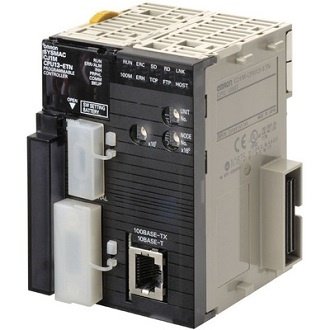 Omron CJ1M-CPU12-ETN PLC CPU Ethernet Unit CJ1MCPU12ETN $1,080.00Add to cart
- Omron CJ1W-AD041-V1 PLC Input Module CJ1WAD041V1 $798.00Add to cart
- Omron CJ1W-OD212 PLC DC Digital Output Module CJ1WOD212 $298.00Add to cart
- Omron CJ2M-CPU12 I/O Control Communication Unit CJ2MCPU12 $698.00Add to cart
- Omron CJ2M-CPU31 PLC Ethernet IP CPU Unit 40 I/O CJ2MCPU31 $1,200.00Add to cart
- Omron Communication Module CS1W-SCB41-V1 $680.00Add to cart
- Omron Communication Module DRT1-COM $710.00Add to cart
- Omron Communications Option Board NX1W-CIF11 $58.00Add to cart
- Omron Communications Option Board NX1W-CIF12 $86.00Add to cart
- Omron CP1L-EM30DR-D PLC CPU Unit I/O Module CP1LEM30DRD $480.00Add to cart
- Omron CP1L-EM30DT-D PLC CPU Unit CP1LEM30DTD $680.00Add to cart
- Omron CP1L-M60DT1-D PLC CPU Unit Logic Module CP1LM60DT1D $830.00Add to cart
- Omron CP1W-32ER Expansion Output Module Unit CP1W32ER $550.00Add to cart
- Omron CP1W-40EDT1 PLC I/O Expansion Module CP1W40EDT1 $420.00Add to cart
- Omron CP1W-8ED 8-Channel DC Digital Input Module CP1W8ED $260.00Add to cart
- Omron CP1W-8ET1 DC Digital Output Expansion Module CP1W8ET1 $145.00Add to cart
- Omron CP1W-DAM01 PLC LCD Option Board CP1WDAM01 $280.00Add to cart
- Omron CPU Control Logic Unit CP1E-E10DT-D $150.00Add to cart
- Omron CPU I/O MODULE Unit CJ2M-CPU11 $450.00Add to cart
- Omron CPU Unit CP1E-N40SDR-A $410.00Add to cart
- Omron CPU Unit CP1H-X40DR-A $680.00Add to cart
- Omron CPU Unit CP1L-M30DT-A $480.00Add to cart
- Omron CS1 PLC Rack Base Unit CS1W-BC103 $450.00Add to cart
- Omron CS1W-AD081-V1 Analog Input Module CS1WAD081V1 $1,050.00Add to cart
- Omron CS1W-EIP21 EtherNet Analog Communication Module CS1WEIP21 $880.00Add to cart
- Omron DeviceNet Communications Unit GRT1-DA2C $510.00Add to cart
- Omron Digital I/O Unit GT1-ID16 $280.00Add to cart
- Omron Digital I/O Unit GT1-ID16-1 $405.00Add to cart
- Omron Digital I/O Unit GT1-ID16DS $310.00Add to cart
- Omron Digital I/O Unit GT1-ID16ML $350.00Add to cart
- Omron Digital I/O Unit GT1-ID16ML-1 $370.00Add to cart
- Omron Digital I/O Unit GT1-ID16MX $360.00Add to cart
- Omron Digital I/O Unit GT1-ID16MX-1 $370.00Add to cart
- Omron Digital I/O Unit GT1-ID32ML $510.00Add to cart
- Omron Digital I/O Unit GT1-ID32ML-1 $520.00Add to cart
- Omron Digital I/O Unit GT1-OD16 $402.00Add to cart
- Omron Digital I/O Unit GT1-OD16-1 $430.00Add to cart
- Omron Digital I/O Unit GT1-OD16DS $420.00Add to cart
- Omron Digital I/O Unit GT1-OD16DS-1 $420.00Add to cart
- Omron Digital I/O Unit GT1-OD16ML $420.00Add to cart
- Omron Digital I/O Unit GT1-OD16ML-1 $420.00Add to cart
- Omron Digital I/O Unit GT1-OD16MX $350.00Add to cart
- Omron Digital I/O Unit GT1-OD16MX-1 $410.00Add to cart
- Omron Digital I/O Unit GT1-OD32ML $480.00Add to cart
- Omron Digital I/O Unit GT1-OD32ML-1 $495.00Add to cart
- Omron Digital Input Module CJ1W-ID261 $705.00Add to cart
- Omron Expansion I/O Unit ZEN-8E1AR $115.00Add to cart
- Omron Expansion Unit CP1W-MAD44 $580.00Add to cart
- Omron Expansion Unit XWT-OD08-1 $260.00Add to cart
- Omron GRT1-DRT DeviceNet Communications Unit GRT1DRT $2,600.00Add to cart
-
 Omron GRT1-ID8 Digital Input Output Module GRT1ID8 $190.00Add to cart
-
Omron GRT1-ID8-1 DC Digital Input Output Module GRT1ID81 $190.00Add to cart
- Omron GT1-AD04 Digital Input Output Module GT1AD04 $900.00Add to cart
- Omron GT1-AD08MX Analog Input Output Module GT1AD08MX $600.00Add to cart
- Omron GT1-DA04MX Analog Input Output Unit Module GT1DA04MX $720.00Add to cart
- Omron GT1-ID16DS-1 Digital Input Output Unit GT1ID16DS1 $900.00Add to cart
- Omron HMC-EF183 128MB Compact Flash Memory Card HMCEF183 $130.00Add to cart
- Omron I/O Module CJ2M-MD211 $298.00Add to cart
- Omron I/O Terminal Block SRT2-OD16 $408.00Add to cart
- Omron I/O Terminal Block SRT2-OD16-1 $420.00Add to cart
- Omron Input Unit CJ1W-IA111 $330.00Add to cart
- Omron IO-Link Master Unit NX-ILM400 $380.00Add to cart
- Omron Mixed I/O Unit CJ1W-MD231 $410.00Add to cart
- Omron Mixed I/O Unit CJ1W-MD233 $410.00Add to cart
- Omron NX-ID3417 PLC 4 Digital Input Module NXID3417 $280.00Add to cart
- Omron NX-OD4121 PLC 8 Digital Output Module NXOD4121 $130.00Add to cart
- Omron NX-OD5256 PLC Expansion Output Module NXOD5256 $398.00Add to cart
- Omron NX1P2-1140DT CPU Input Output Module NX1P21140DT $2,450.00Add to cart
- Omron NX1P2-1140DT1 PLC Input Output Module NX1P21140DT1 $2,460.00Add to cart
- Omron NX1W-CIF01 Communications Option Board NX1WCIF01 $88.00Add to cart
- Omron NX1W-DAB21V Analog Input Output Module NX1WDAB21V $200.00Add to cart
- Omron PLC 8 Slot Back Plane C200HW-BC081-V1 $310.00Add to cart
- Omron PLC 8PT Isolated RTU Input Unit CS1W-PTS56 $1,590.00Add to cart
- Omron PLC Adapter CP1W-EXT01 $110.00Add to cart
- Omron PLC Analog I/O Module CJ1W-AD081-V1 $940.00Add to cart
- Omron PLC Analog I/O Module CP1W-MAD11 $350.00Add to cart
- Omron PLC Analog Input Module CJ1W-AD04U $610.00Add to cart
- Omron PLC Analog Module CJ1W-MAD42 $660.00Add to cart
- Omron PLC Analog Output Unit CS1W-DA08C $1,300.00Add to cart
- Omron PLC Applicable Connector C500-CE404 $84.00Add to cart
- Omron PLC Backplane CS1W-BC083 $430.00Add to cart
- Omron PLC Battery CP1W-BAT01 $30.00Add to cart
- Omron PLC Battery CS1W-BAT01 $109.00Add to cart
- Omron PLC Board CP1W-CIF11 $52.00Add to cart
- Omron PLC Cable CS1W-CN114 $138.00Add to cart
- Omron PLC Cable CS1W-CN118 $140.00Add to cart
- Omron PLC Cable CS1W-CN713 $210.00Add to cart
- Omron PLC CJ-series Quick-response Input Unit CJ1W-IDP01 $430.00Add to cart
- Omron PLC CJ1W-PA202 $200.00Add to cart
- Omron PLC Communication Unit CJ1W-SCU31-V1 $650.00Add to cart
- Omron PLC Communications Module CJ1W-SCU41-V1 $620.00Add to cart
- Omron PLC Communications Module Unit CJ1W-SRM21 $386.00Add to cart
- Omron PLC Control Logic CP1H-X40DT-D $810.00Add to cart
- Omron PLC Control Logic CP1H-XA40DR-A $1,040.00Add to cart
- Omron PLC Control Logic CP1H-XA40DT-D $1,020.00Add to cart
- Omron PLC Control Logic CP1H-XA40DT1-D $1,060.00Add to cart
- Omron PLC CONTROL LOGIC CP1H-Y20DT-D $990.00Add to cart
- Omron PLC Control Logic CP1L-EL20DR-D $420.00Add to cart
- Omron PLC Control Logic CP1L-EM40DR-D $690.00Add to cart
- Omron PLC CONTROL LOGIC CP1L-EM40DT-D $670.00Add to cart
- Omron PLC Control Logic CP1L-L14DR-A $325.00Add to cart
- Omron PLC CONTROL LOGIC CP1L-L14DR-D $340.00Add to cart
- Omron PLC Control Logic CP1L-L14DT-A $390.00Add to cart
- Omron PLC CONTROL LOGIC CP1L-L14DT-D $330.00Add to cart
- Omron PLC CONTROL LOGIC CP1L-L14DT1-D $330.00Add to cart
- Omron PLC Control logic CP1L-L20DR-A $410.00Add to cart
- Omron PLC CONTROL LOGIC CP1L-L20DR-D $330.00Add to cart
- Omron PLC CONTROL LOGIC CP1L-L20DT-D $410.00Add to cart
- Omron PLC CONTROL LOGIC CP1L-L20DT1-D $396.00Add to cart
- Omron PLC CONTROL LOGIC CP1L-M30DR-A $430.00Add to cart
- Omron PLC CONTROL LOGIC CP1L-M30DR-D $440.00Add to cart
- Omron PLC CONTROL LOGIC CP1L-M30DT-D $452.00Add to cart
- Omron PLC Control Logic CP1L-M40DR-A $610.00Add to cart
- Omron PLC Control Logic CP1L-M40DR-D $650.00Add to cart
- Omron PLC Control Logic CP1L-M40DT-D $605.00Add to cart
- Omron PLC Control Logic CP1L-M40DT1-D $605.00Add to cart
- Omron PLC Control Logic CP1L-M60DR-D $850.00Add to cart
- Omron PLC CONTROL LOGIC EIP CJ2M-CPU32 $1,300.00Add to cart
- Omron PLC Control Logig CP1L-M30DT1-D $600.00Add to cart
- Omron PLC CP1E-E30SDR-A $216.00Add to cart
- Omron PLC CP1E-E40SDR-A $598.00Add to cart
- Omron PLC CP1E-N60S1DR-A $442.00Add to cart
- Omron PLC CPU Unit CJ1M-CPU21 $960.00Add to cart
- Omron PLC CPU Unit CJ2H-CPU64-EIP $3,010.00Add to cart
- Omron PLC CPU Unit CJ2M-CPU13 $885.00Add to cart
- Omron PLC CPU Unit CJ2M-CPU33 $1,270.00Add to cart
- Omron PLC CPU Unit CP1E-E10DR-A $190.00Add to cart
- Omron PLC CPU Unit CP1E-N20DR-A $280.00Add to cart
- Omron PLC CPU Unit CP1E-N20DT-D $310.00Add to cart
- Omron PLC CPU Unit CP1E-N20DT1-A $330.00Add to cart
- Omron PLC CPU Unit CP1E-N20DT1-D $280.00Add to cart
- Omron PLC CPU Unit CP1E-N30DT-A $356.00Add to cart
- Omron PLC CPU Unit CP1E-N30DT-D $380.00Add to cart
- Omron PLC CPU Unit CP1E-N30DT1-A $380.00Add to cart
- Omron PLC CPU Unit CP1E-N30DT1-D $330.00Add to cart
- Omron PLC CPU Unit CP1E-N30SDR-A $350.00Add to cart
- Omron PLC CPU Unit CP1E-N40DR-A $530.00Add to cart
- Omron PLC CPU Unit CP1E-N40DR-D $510.00Add to cart
- Omron PLC CPU Unit CP1E-N40DT-A $510.00Add to cart
- Omron PLC CPU Unit CP1E-N40DT-D $500.00Add to cart
- Omron PLC CPU Unit CP1E-N40DT1-A $490.00Add to cart
- Omron PLC CPU Unit CP1E-N40DT1-D $560.00Add to cart
- Omron PLC CPU Unit CP1E-NA20DR-A $530.00Add to cart
- Omron PLC CPU Unit CP1E-NA20DT-D $520.00Add to cart
- Omron PLC CPU Unit CP1L-EM30DT1-D $600.00Add to cart
- Omron PLC CPU Unit CP1L-M60DR-A $820.00Add to cart
- Omron PLC CPU Unit CP1L-M60DT-D $590.00Add to cart
- Omron PLC CPU Unit CS1G-CPU44H $1,550.00Add to cart
- Omron PLC CPU Unit ZEN-10C3DR-D-V2 $165.00Add to cart
-
 Omron PLC CPU Unit ZEN-20C3DR-D-V2 $205.00Add to cart
- Omron PLC DC Input Module CJ1W-ID232 $298.00Add to cart
- Omron PLC DeviceNet Master Unit CJ1W-DRM21 $640.00Add to cart
- Omron PLC Digital Output Module CJ1W-OD261 $550.00Add to cart
- Omron PLC END PLATE Module CJ1W-TER01 $125.00Add to cart
- Omron PLC Ethernet Module CJ1W-ETN21 $1,190.00Add to cart
- Omron PLC Ethernet Option Board CP1W-CIF12 $105.00Add to cart
- Omron PLC Ethernet Option Board CP1W-CIF41 $298.00Add to cart
- Omron PLC Expansion Backplane CS1W-BI103 $480.00Add to cart
- Omron PLC Expansion Module CP1W-16ET1 $270.00Add to cart
- Omron PLC Expansion Module CP1W-20EDR1 $300.00Add to cart
- Omron PLC Expansion Module CP1W-20EDT $225.00Add to cart
- Omron PLC Extension Module CP1W-8ET $140.00Add to cart
- Omron PLC I/O Cable CP1W-CN811 $85.00Add to cart
- Omron PLC I/O Control Unit CJ1W-IC101 $210.00Add to cart
- Omron PLC I/O Module CP1W-20EDT1 $300.00Add to cart
- Omron PLC I/O Module CP1W-40EDR $496.00Add to cart
- Omron PLC I/O Unit CJ1W-II101 $245.00Add to cart
- Omron PLC Input Module CJ1W-B7A14 $530.00Add to cart
- Omron PLC Input Module CJ1W-ID211 $300.00Add to cart
- Omron PLC Input Module CJ1W-ID231 $380.00Add to cart
- Omron PLC Input Module CJ1W-ID262 $520.00Add to cart
- Omron PLC Input Module CJ1W-PTS52 $695.00Add to cart
- Omron PLC Input Module CP1W-8ER $210.00Add to cart
- Omron PLC Input Module CP1W-AD041 $420.00Add to cart
- Omron PLC Input Module CP1W-TS001 $305.00Add to cart
- Omron PLC Input Module CP1W-TS002 $350.00Add to cart
- Omron PLC Input Module CP1W-TS101 $280.00Add to cart
- Omron PLC Input Module CS1W-ID211 $318.00Add to cart
- Omron PLC Input Module NX-ID3317 $107.00Add to cart
- Omron PLC Input Module NX-ID3343 $152.00Add to cart
- Omron PLC Input Module NX-ID3443 $150.00Add to cart
- Omron PLC Input Module NX-ID4342 $126.00Add to cart
- Omron PLC Input Module NX-ID4442 $126.00Add to cart
- Omron PLC Input Module NX-ID5142-1 $230.00Add to cart
- Omron PLC Input Module NX-ID5342 $165.00Add to cart
- Omron PLC Input Module NX-ID5442 $167.00Add to cart
- Omron PLC Input Module NX-ID6142-5 $315.00Add to cart
- Omron PLC Input Module NX-ID6142-6 $395.00Add to cart
- Omron PLC Input Module NX-OD2154 $118.00Add to cart
- Omron PLC Input Module NX-OD2258 $128.00Add to cart
- Omron PLC Logic Control CP1H-X40DT1-D $830.00Add to cart
- Omron PLC Module CJ1W-SCU21-V1 $599.00Add to cart
- Omron PLC Module CP1W-40EDT $370.00Add to cart
- Omron PLC Module NX-IA3117 $108.00Add to cart
- Omron PLC Module NX-ID3344 $170.00Add to cart
- Omron PLC Module NX-ID3444 $210.00Add to cart
- Omron PLC Module NX-ID5142-5 $199.00Add to cart
- Omron PLC Module NX1P2-1040DT $1,490.00Add to cart
- Omron PLC Module NX1P2-1040DT1 $1,650.00Add to cart
- Omron PLC Module NX1P2-9024DT $850.00Add to cart
- Omron PLC Module NX1P2-9024DT1 $996.00Add to cart
- Omron PLC Output Expansion Module XWT-OD16-1 $295.00Add to cart
- Omron PLC Output Module CJ1W-DA021 $656.00Add to cart
- Omron PLC Output Module CJ1W-DA08C $840.00Add to cart
- Omron PLC Output Module CJ1W-DA08V $830.00Add to cart
- Omron PLC Output Module CJ1W-OC211 $310.00Add to cart
- Omron PLC Output Module CJ1W-OD211 $260.00Add to cart
- Omron PLC Output Module CJ1W-OD231 $250.00Add to cart
- Omron PLC Output Module CJ1W-OD232 $430.00Add to cart
- Omron PLC Output Module CJ1W-OD262 $520.00Add to cart
- Omron PLC Output Module CP1W-DA021 $320.00Add to cart
- Omron PLC Output Module CP1W-DA041 $310.00Add to cart
- Omron PLC Output Module CS1W-OC211 $398.00Add to cart
- Omron PLC Output Module NX-OD3121 $108.00Add to cart
- Omron PLC Output Module NX-OD3153 $168.00Add to cart
- Omron PLC Output Module NX-OD3256 $95.00Add to cart
- Omron PLC Output Module NX-OD3257 $170.00Add to cart
- Omron PLC Output Module NX-OD3268 $205.00Add to cart
- Omron PLC Output Module NX-OD4256 $116.00Add to cart
- Omron PLC Output Module NX-OD5121 $168.00Add to cart
- Omron PLC Output Unit CJ1W-OC201 $210.00Add to cart
- Omron PLC Output Unit CP1W-16ER $240.00Add to cart
- Omron PLC Position Control Module CJ1W-NC413 $1,660.00Add to cart
- Omron PLC Power Supply C200HW-PA204 $400.00Add to cart
- Omron PLC Power Supply C200HW-PA204S $699.00Add to cart
- Omron PLC Power Supply CJ1W-PA205R $260.00Add to cart
- Omron PLC Power Supply CJ1W-PD022 $140.00Add to cart
- Omron PLC Power Supply CJ1W-PD025 $270.00Add to cart
- Omron PLC Power Supply S8VM-15024CD $320.00Add to cart
- Omron PLC Power Supply Unit CJ1W-PA205C $400.00Add to cart
- Omron PLC RS-232C Option Board CP1W-CIF01 $60.00Add to cart
- Omron PLC Temperature Control CJ1W-TC002 $810.00Add to cart
- Omron PLC Temperature Control Module CJ1W-TC101 $810.00Add to cart
- Omron Programmable Relay ZEN-10C2AR-A-V2 $150.00Add to cart
- Omron Relay Output Unit GT1-ROS16 $640.00Add to cart
- Omron Remote I/O Terminal SRT2-OD04 $250.00Add to cart
- Omron Remote Terminal Module SRT2-ROC08 $355.00Add to cart
- Omron Remote Terminal SRT2-ID08 $310.00Add to cart
- Omron Remote Terminal SRT2-ID16 $280.00Add to cart
- Omron S8VM-100 24CD PLC Power Supply S8VM100 $280.00Add to cart
- Omron Special I/O Module CJ1W-CT021 $910.00Add to cart
- Omron Temperature Control Unit NX-AUX02 $24.00Add to cart
- Omron Temperature Control Unit NX-TC2405 $405.00Add to cart
- Omron Temperature Control Unit NX-TC2406 $350.00Add to cart
- Omron Temperature Control Unit NX-TC2407 $420.00Add to cart
- Omron Temperature Control Unit NX-TC2408 $396.00Add to cart
- Omron Temperature Control Unit NX-TC3405 $580.00Add to cart
- Omron Temperature Control Unit NX-TC3406 $520.00Add to cart
- Omron Temperature Control Unit NX-TC3407 $615.00Add to cart
- Omron Temperature Control Unit NX-TC3408 $640.00Add to cart
- Omron Turnback Unit GRT1-TBL $120.00Add to cart
- Omron Turnback Unit GRT1-TBR $64.00Add to cart
- Omron XWT-ID16-1 DC Digital Inputs Expansion Unit XWTID161 $350.00Add to cart
Leave a Reply