
Omron PLC vs Siemens PLC: Which Industrial Controller Is Better for Your Automation Project?
Omron and Siemens are among the world’s most trusted PLC manufacturers, but they excel in different areas. Omron PLCs are known for their simplicity, high-speed machine control, and seamless integration with motion and vision systems, while Siemens PLCs are recognized for their scalability, advanced networking, and enterprise-level automation capabilities. Choosing the right PLC depends on your application, industry, budget, engineering expertise, and long-term expansion plans.
Industrial automation projects rarely succeed or fail because of a single hardware component. Instead, success depends on selecting technologies that match the operational requirements of the application today while providing enough flexibility to support future expansion. At the center of nearly every automated machine or industrial process is the Programmable Logic Controller (PLC)—the industrial computer responsible for monitoring inputs, executing control logic, and coordinating outputs in real time.
Among the industry’s most respected manufacturers, Omron and Siemens consistently rank near the top. Both companies have decades of experience in industrial automation, extensive global support networks, and product families capable of controlling everything from standalone machines to highly complex manufacturing facilities. However, while both brands produce outstanding controllers, they are designed with different philosophies and strengths.
This comprehensive comparison examines Omron PLCs and Siemens PLCs across architecture, programming software, hardware capabilities, communications, performance, cybersecurity, scalability, industry applications, lifecycle costs, and long-term value. Whether you are designing a new machine, upgrading an aging production line, or standardizing controls across multiple facilities, this guide will help you determine which platform best fits your automation project.
Understanding PLCs in Modern Industrial Automation
Before comparing manufacturers, it helps to understand why PLC selection matters.
A PLC is a rugged industrial controller designed to operate reliably in environments where vibration, electrical noise, temperature fluctuations, and continuous operation would quickly overwhelm a conventional computer. PLCs execute deterministic control logic, communicate with field devices, coordinate motion systems, and exchange information with higher-level manufacturing software.
Today’s PLCs perform far more than simple relay replacement. They commonly integrate:
Motion control
Safety functions
Industrial networking
Data logging
Remote diagnostics
Edge computing
IIoT connectivity
Predictive maintenance support
Selecting the right PLC platform affects not only machine performance but also programming efficiency, maintenance costs, spare parts management, and future expansion.
Omron PLC Overview
Omron has built its reputation around machine automation. Its PLC portfolio emphasizes speed, precision, and close integration with servo systems, machine vision, sensing technologies, and robotics.
Popular Omron PLC families include:
CP Series
CJ2 Series
NX1P2 Series
NX5 Series
NJ Series
NX7 Series
The Sysmac Automation Platform brings PLCs, motion control, robotics, vision systems, and safety into one engineering environment.
Omron is especially popular among:
Packaging machinery manufacturers
Food processing equipment builders
Semiconductor equipment OEMs
Pharmaceutical machinery
Material handling systems
Precision assembly equipment
Siemens PLC Overview
Siemens has become one of the global leaders in factory and process automation through its SIMATIC family of controllers.
Popular Siemens PLC families include:
LOGO!
S7-1200
S7-1500
ET 200SP Controllers
S7-400 (legacy)
SIMATIC Drive Controller
Siemens focuses heavily on scalable automation systems capable of integrating seamlessly across entire manufacturing facilities.
Industries commonly using Siemens include:
Automotive manufacturing
Chemical processing
Oil and gas
Water and wastewater
Power generation
Large manufacturing facilities
Infrastructure projects
Hardware Architecture Comparison
Omron PLC Hardware
Omron designs controllers with an emphasis on high-speed synchronization between machine components.
Advantages include:
Fast processing speeds
Excellent motion synchronization
Compact footprint
High-speed EtherCAT communications
Tight integration with Omron servo systems
Omron’s NX Series is particularly well suited for packaging equipment where precise timing directly affects product quality and production speed.
Siemens PLC Hardware
Siemens controllers prioritize modularity and long-term scalability.
Their systems offer:
Large memory capacity
Modular expansion
Redundant CPU options
High availability architectures
Advanced diagnostics
Integrated safety controllers
For large plants operating hundreds or thousands of I/O points, Siemens often provides greater flexibility.
Programming Software Comparison
Software significantly influences engineering productivity.
Omron Sysmac Studio
Sysmac Studio provides a unified engineering environment supporting:
PLC programming
Motion control
Safety programming
Vision systems
HMI development
Engineers appreciate its intuitive interface and integrated troubleshooting tools.
Programming languages include:
Ladder Diagram
Structured Text
Function Block Diagram
Sequential Function Chart
Because everything resides in one platform, commissioning machine automation projects is often faster.
Siemens TIA Portal
The Totally Integrated Automation (TIA) Portal is one of the industry’s most comprehensive engineering platforms.
TIA Portal supports:
PLC programming
HMI configuration
Drive commissioning
Network diagnostics
Safety engineering
Digital twin capabilities
Although the software requires a steeper learning curve, it provides exceptional capabilities for enterprise-scale automation.
Performance and Processing Speed
Machine builders often prioritize scan time and deterministic control.
Omron excels in:
High-speed packaging
Electronic assembly
Pick-and-place robotics
Motion synchronization
High-speed inspection
Siemens excels in:
Large distributed systems
Complex process automation
Multi-controller architectures
High-volume industrial networks
For extremely fast machine automation, Omron often holds a slight advantage. For large integrated production facilities, Siemens frequently demonstrates greater scalability.
Motion Control Capabilities
Motion control is one of Omron’s strongest competitive advantages. The Sysmac platform allows PLC logic, servo drives, robotics, and machine vision to operate within one synchronized architecture.
Typical applications include:
Labeling machines
Packaging equipment
Cartoning systems
Semiconductor assembly
Robotics
Siemens also offers outstanding motion control through SIMATIC and SINAMICS drives. However, Siemens typically targets broader industrial automation rather than highly specialized machine control.
Networking and Industrial Communications
Industrial communication has become increasingly important as manufacturers embrace Industry 4.0.
Omron supports:
EtherCAT
EtherNet/IP
OPC UA
Modbus TCP
Ethernet
Siemens supports:
PROFINET
PROFIBUS
OPC UA
Ethernet/IP
Modbus TCP
Industrial Ethernet
Siemens generally offers broader networking options for large distributed manufacturing environments.
Cybersecurity and Industrial Security
Modern PLCs must defend against increasing cybersecurity threats. Siemens has invested heavily in industrial cybersecurity by providing:
User authentication
Secure communications
Certificate management
Secure firmware updates
Role-based access control
Omron also includes secure communications and authentication while continuously expanding its cybersecurity capabilities. For facilities with strict cybersecurity requirements, Siemens currently provides a more mature ecosystem.
Integration with Industry 4.0
Industry 4.0 requires controllers capable of exchanging information across production systems.
Both manufacturers support:
OPC UA
IIoT connectivity
Remote diagnostics
Edge computing
Cloud connectivity
Siemens has developed one of the industry’s most comprehensive digital manufacturing ecosystems through MindSphere, Industrial Edge, and Digital Twin technologies. Omron focuses more heavily on intelligent machine automation and factory-floor optimization.
Industry Applications: Omron PLCs and Siemens PLCs
Where Omron Performs Best
Omron is widely adopted for:
Where Siemens Performs Best
Siemens dominates many industries including:
Ease of Maintenance
Maintenance teams value controllers that simplify troubleshooting.
Omron offers:
Easy diagnostics
Integrated troubleshooting
Simplified motion diagnostics
Compact hardware replacement
Siemens offers:
Advanced diagnostics
Comprehensive system health monitoring
Detailed fault reporting
Excellent long-term spare parts availability
Total Cost of Ownership
Purchase price represents only one portion of PLC ownership costs.
Other considerations include:
Engineering time
Software licensing
Training
Spare parts
Downtime
Maintenance
Expansion costs
Omron frequently delivers lower engineering costs for machine builders. Siemens often delivers better lifecycle value for enterprise-scale facilities where expansion and standardization are priorities.
Which PLC Is Better?
The answer depends entirely on the application.
Choose Omron PLCs if your project prioritizes:
High-speed machine automation
Precision motion control
Compact machine design
Integrated robotics
Packaging equipment
Semiconductor manufacturing
Choose Siemens PLCs if your project requires:
Large distributed automation
Enterprise integration
Advanced industrial networking
Process automation
Utility infrastructure
Long-term scalability
Neither controller is universally “better.” Both manufacturers produce world-class PLC platforms. The best choice aligns with your production requirements, engineering resources, and long-term automation strategy.
Recommended Automation Pioneer Resources
Continue exploring related Omron Programmable Logic Controllers (PLCs) in industrial automation topics:
- PLCs & Controllers
- Omron Programmable Logic Controllers (PLCs)
- Omron NX Series PLC
- Omron NJ Series PLC
- Omron CP Series PLC
- Omron PLC Programming
- Omron PLC Communication Protocols
- Omron PLC vs Siemens PLC
- Omron PLC Troubleshooting
- Omron PLC Applications
- Omron PLC Selection Guide
These related articles provide additional insights into industrial control architectures, networking technologies, and automation best practices.
Frequently Asked Questions
Is Omron better than Siemens for PLC programming?
Neither platform is universally better. Omron is often preferred for machine automation and integrated motion control, while Siemens excels in complex, large-scale industrial facilities.
Which PLC is easier to learn?
Many engineers find Omron Sysmac Studio easier for smaller machine automation projects. Siemens TIA Portal has a steeper learning curve but offers extensive functionality for enterprise automation.
Are Siemens PLCs more expensive than Omron PLCs?
Initial hardware and software costs are often higher with Siemens, although the total cost depends on project size, licensing, training, and long-term maintenance.
Which PLC is best for packaging machines?
Omron is widely regarded as an excellent choice for packaging machinery because of its fast processing, EtherCAT integration, and advanced motion control capabilities.
Can Omron PLCs communicate with Siemens equipment?
Yes. Both platforms support common industrial protocols such as OPC UA, Modbus TCP, and EtherNet/IP. Additional gateways or protocol converters may be required depending on the network architecture.
Which PLC is better for Industry 4.0?
Both support Industry 4.0 initiatives. Siemens offers a broader enterprise ecosystem, while Omron focuses on intelligent machine-level automation and integrated production systems.
Which industries most commonly use Siemens PLCs?
Siemens PLCs are widely used in automotive manufacturing, utilities, chemical processing, oil and gas, pharmaceuticals, water treatment, and large industrial facilities.
Which industries benefit most from Omron PLCs?
Omron PLCs are especially popular in packaging, food and beverage, semiconductor manufacturing, electronics assembly, robotics, and OEM machine building.
How important is software when choosing a PLC?
Software is as important as hardware. The engineering environment affects programming efficiency, troubleshooting, maintenance, training requirements, and future system expansion.
How should I choose the right PLC for my automation project?
Start by evaluating production volume, machine complexity, networking requirements, safety functions, motion control needs, expansion plans, engineering expertise, and lifecycle costs. The ideal PLC is the one that best supports your operational objectives over the long term.
Final Thoughts
Both Omron and Siemens have earned their reputations by delivering reliable, high-performance automation platforms backed by decades of engineering innovation. Omron shines in applications where speed, synchronized motion, and machine integration are critical, while Siemens stands out for plant-wide automation, scalable architectures, and comprehensive digital manufacturing solutions.
The most successful automation projects begin with a clear understanding of operational requirements rather than brand preference. By evaluating your application’s performance goals, communication needs, expansion plans, and maintenance strategy, you can select a PLC platform that delivers dependable performance and long-term value for years to come.
Check Our Comprehensive Automation Brands Get Latest Industrial Automation NewsYour One-Stop Source for Reliable Omron PLCs Industrial Automation & Process Control Equipment
Access trusted Omron PLCs process control equipment, expert support, and fast sourcing—all in one place.
Check Our Comprehensive Omron Programmable Logic Controllers (PLCs)- Omron Analog I/O Option Board NX1W-ADB21 $98.00Add to cart
- Omron Analog I/O Option Board NX1W-MAB221 $170.00Add to cart
- Omron Analog I/O Terminal DRT2-AD04 $630.00Add to cart
- Omron Analog I/O Terminal DRT2-DA02 $530.00Add to cart
- Omron Analog Output Module CJ1W-DA041 $860.00Add to cart
- Omron Applicable B7A Link Terminal B7A-T6E3 $180.00Add to cart
- Omron Backplane CS1W-BI033 $325.00Add to cart
- Omron CJ1M-CPU12 Programmable Logic Controller CPU Unit CJ1MCPU12 $1,280.00Add to cart
-
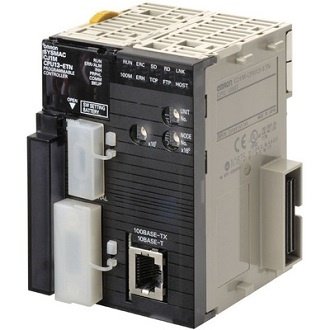 Omron CJ1M-CPU12-ETN PLC CPU Ethernet Unit CJ1MCPU12ETN $1,080.00Add to cart
- Omron CJ1W-AD041-V1 PLC Input Module CJ1WAD041V1 $798.00Add to cart
- Omron CJ1W-OD212 PLC DC Digital Output Module CJ1WOD212 $298.00Add to cart
- Omron CJ2M-CPU12 I/O Control Communication Unit CJ2MCPU12 $698.00Add to cart
- Omron CJ2M-CPU31 PLC Ethernet IP CPU Unit 40 I/O CJ2MCPU31 $1,200.00Add to cart
- Omron Communication Module CS1W-SCB41-V1 $680.00Add to cart
- Omron Communication Module DRT1-COM $710.00Add to cart
- Omron Communications Option Board NX1W-CIF11 $58.00Add to cart
- Omron Communications Option Board NX1W-CIF12 $86.00Add to cart
- Omron CP1L-EM30DR-D PLC CPU Unit I/O Module CP1LEM30DRD $480.00Add to cart
- Omron CP1L-EM30DT-D PLC CPU Unit CP1LEM30DTD $680.00Add to cart
- Omron CP1L-M60DT1-D PLC CPU Unit Logic Module CP1LM60DT1D $830.00Add to cart
- Omron CP1W-32ER Expansion Output Module Unit CP1W32ER $550.00Add to cart
- Omron CP1W-40EDT1 PLC I/O Expansion Module CP1W40EDT1 $420.00Add to cart
- Omron CP1W-8ED 8-Channel DC Digital Input Module CP1W8ED $260.00Add to cart
- Omron CP1W-8ET1 DC Digital Output Expansion Module CP1W8ET1 $145.00Add to cart
- Omron CP1W-DAM01 PLC LCD Option Board CP1WDAM01 $280.00Add to cart
- Omron CPU Control Logic Unit CP1E-E10DT-D $150.00Add to cart
- Omron CPU I/O MODULE Unit CJ2M-CPU11 $450.00Add to cart
- Omron CPU Unit CP1E-N40SDR-A $410.00Add to cart
- Omron CPU Unit CP1H-X40DR-A $680.00Add to cart
- Omron CPU Unit CP1L-M30DT-A $480.00Add to cart
- Omron CS1 PLC Rack Base Unit CS1W-BC103 $450.00Add to cart
- Omron CS1W-AD081-V1 Analog Input Module CS1WAD081V1 $1,050.00Add to cart
- Omron CS1W-EIP21 EtherNet Analog Communication Module CS1WEIP21 $880.00Add to cart
- Omron DeviceNet Communications Unit GRT1-DA2C $510.00Add to cart
- Omron Digital I/O Unit GT1-ID16 $280.00Add to cart
- Omron Digital I/O Unit GT1-ID16-1 $405.00Add to cart
- Omron Digital I/O Unit GT1-ID16DS $310.00Add to cart
- Omron Digital I/O Unit GT1-ID16ML $350.00Add to cart
- Omron Digital I/O Unit GT1-ID16ML-1 $370.00Add to cart
- Omron Digital I/O Unit GT1-ID16MX $360.00Add to cart
- Omron Digital I/O Unit GT1-ID16MX-1 $370.00Add to cart
- Omron Digital I/O Unit GT1-ID32ML $510.00Add to cart
- Omron Digital I/O Unit GT1-ID32ML-1 $520.00Add to cart
- Omron Digital I/O Unit GT1-OD16 $402.00Add to cart
- Omron Digital I/O Unit GT1-OD16-1 $430.00Add to cart
- Omron Digital I/O Unit GT1-OD16DS $420.00Add to cart
- Omron Digital I/O Unit GT1-OD16DS-1 $420.00Add to cart
- Omron Digital I/O Unit GT1-OD16ML $420.00Add to cart
- Omron Digital I/O Unit GT1-OD16ML-1 $420.00Add to cart
- Omron Digital I/O Unit GT1-OD16MX $350.00Add to cart
- Omron Digital I/O Unit GT1-OD16MX-1 $410.00Add to cart
- Omron Digital I/O Unit GT1-OD32ML $480.00Add to cart
- Omron Digital I/O Unit GT1-OD32ML-1 $495.00Add to cart
- Omron Digital Input Module CJ1W-ID261 $705.00Add to cart
- Omron Expansion I/O Unit ZEN-8E1AR $115.00Add to cart
- Omron Expansion Unit CP1W-MAD44 $580.00Add to cart
- Omron Expansion Unit XWT-OD08-1 $260.00Add to cart
- Omron GRT1-DRT DeviceNet Communications Unit GRT1DRT $2,600.00Add to cart
-
 Omron GRT1-ID8 Digital Input Output Module GRT1ID8 $190.00Add to cart
-
Omron GRT1-ID8-1 DC Digital Input Output Module GRT1ID81 $190.00Add to cart
- Omron GT1-AD04 Digital Input Output Module GT1AD04 $900.00Add to cart
- Omron GT1-AD08MX Analog Input Output Module GT1AD08MX $600.00Add to cart
- Omron GT1-DA04MX Analog Input Output Unit Module GT1DA04MX $720.00Add to cart
- Omron GT1-ID16DS-1 Digital Input Output Unit GT1ID16DS1 $900.00Add to cart
- Omron HMC-EF183 128MB Compact Flash Memory Card HMCEF183 $130.00Add to cart
- Omron I/O Module CJ2M-MD211 $298.00Add to cart
- Omron I/O Terminal Block SRT2-OD16 $408.00Add to cart
- Omron I/O Terminal Block SRT2-OD16-1 $420.00Add to cart
- Omron Input Unit CJ1W-IA111 $330.00Add to cart
- Omron IO-Link Master Unit NX-ILM400 $380.00Add to cart
- Omron Mixed I/O Unit CJ1W-MD231 $410.00Add to cart
- Omron Mixed I/O Unit CJ1W-MD233 $410.00Add to cart
- Omron NX-ID3417 PLC 4 Digital Input Module NXID3417 $280.00Add to cart
- Omron NX-OD4121 PLC 8 Digital Output Module NXOD4121 $130.00Add to cart
- Omron NX-OD5256 PLC Expansion Output Module NXOD5256 $398.00Add to cart
- Omron NX1P2-1140DT CPU Input Output Module NX1P21140DT $2,450.00Add to cart
- Omron NX1P2-1140DT1 PLC Input Output Module NX1P21140DT1 $2,460.00Add to cart
- Omron NX1W-CIF01 Communications Option Board NX1WCIF01 $88.00Add to cart
- Omron NX1W-DAB21V Analog Input Output Module NX1WDAB21V $200.00Add to cart
- Omron PLC 8 Slot Back Plane C200HW-BC081-V1 $310.00Add to cart
- Omron PLC 8PT Isolated RTU Input Unit CS1W-PTS56 $1,590.00Add to cart
- Omron PLC Adapter CP1W-EXT01 $110.00Add to cart
- Omron PLC Analog I/O Module CJ1W-AD081-V1 $940.00Add to cart
- Omron PLC Analog I/O Module CP1W-MAD11 $350.00Add to cart
- Omron PLC Analog Input Module CJ1W-AD04U $610.00Add to cart
- Omron PLC Analog Module CJ1W-MAD42 $660.00Add to cart
- Omron PLC Analog Output Unit CS1W-DA08C $1,300.00Add to cart
- Omron PLC Applicable Connector C500-CE404 $84.00Add to cart
- Omron PLC Backplane CS1W-BC083 $430.00Add to cart
- Omron PLC Battery CP1W-BAT01 $30.00Add to cart
- Omron PLC Battery CS1W-BAT01 $109.00Add to cart
- Omron PLC Board CP1W-CIF11 $52.00Add to cart
- Omron PLC Cable CS1W-CN114 $138.00Add to cart
- Omron PLC Cable CS1W-CN118 $140.00Add to cart
- Omron PLC Cable CS1W-CN713 $210.00Add to cart
- Omron PLC CJ-series Quick-response Input Unit CJ1W-IDP01 $430.00Add to cart
- Omron PLC CJ1W-PA202 $200.00Add to cart
- Omron PLC Communication Unit CJ1W-SCU31-V1 $650.00Add to cart
- Omron PLC Communications Module CJ1W-SCU41-V1 $620.00Add to cart
- Omron PLC Communications Module Unit CJ1W-SRM21 $386.00Add to cart
- Omron PLC Control Logic CP1H-X40DT-D $810.00Add to cart
- Omron PLC Control Logic CP1H-XA40DR-A $1,040.00Add to cart
- Omron PLC Control Logic CP1H-XA40DT-D $1,020.00Add to cart
- Omron PLC Control Logic CP1H-XA40DT1-D $1,060.00Add to cart
- Omron PLC CONTROL LOGIC CP1H-Y20DT-D $990.00Add to cart
- Omron PLC Control Logic CP1L-EL20DR-D $420.00Add to cart
- Omron PLC Control Logic CP1L-EM40DR-D $690.00Add to cart
- Omron PLC CONTROL LOGIC CP1L-EM40DT-D $670.00Add to cart
- Omron PLC Control Logic CP1L-L14DR-A $325.00Add to cart
- Omron PLC CONTROL LOGIC CP1L-L14DR-D $340.00Add to cart
- Omron PLC Control Logic CP1L-L14DT-A $390.00Add to cart
- Omron PLC CONTROL LOGIC CP1L-L14DT-D $330.00Add to cart
- Omron PLC CONTROL LOGIC CP1L-L14DT1-D $330.00Add to cart
- Omron PLC Control logic CP1L-L20DR-A $410.00Add to cart
- Omron PLC CONTROL LOGIC CP1L-L20DR-D $330.00Add to cart
- Omron PLC CONTROL LOGIC CP1L-L20DT-D $410.00Add to cart
- Omron PLC CONTROL LOGIC CP1L-L20DT1-D $396.00Add to cart
- Omron PLC CONTROL LOGIC CP1L-M30DR-A $430.00Add to cart
- Omron PLC CONTROL LOGIC CP1L-M30DR-D $440.00Add to cart
- Omron PLC CONTROL LOGIC CP1L-M30DT-D $452.00Add to cart
- Omron PLC Control Logic CP1L-M40DR-A $610.00Add to cart
- Omron PLC Control Logic CP1L-M40DR-D $650.00Add to cart
- Omron PLC Control Logic CP1L-M40DT-D $605.00Add to cart
- Omron PLC Control Logic CP1L-M40DT1-D $605.00Add to cart
- Omron PLC Control Logic CP1L-M60DR-D $850.00Add to cart
- Omron PLC CONTROL LOGIC EIP CJ2M-CPU32 $1,300.00Add to cart
- Omron PLC Control Logig CP1L-M30DT1-D $600.00Add to cart
- Omron PLC CP1E-E30SDR-A $216.00Add to cart
- Omron PLC CP1E-E40SDR-A $598.00Add to cart
- Omron PLC CP1E-N60S1DR-A $442.00Add to cart
- Omron PLC CPU Unit CJ1M-CPU21 $960.00Add to cart
- Omron PLC CPU Unit CJ2H-CPU64-EIP $3,010.00Add to cart
- Omron PLC CPU Unit CJ2M-CPU13 $885.00Add to cart
- Omron PLC CPU Unit CJ2M-CPU33 $1,270.00Add to cart
- Omron PLC CPU Unit CP1E-E10DR-A $190.00Add to cart
- Omron PLC CPU Unit CP1E-N20DR-A $280.00Add to cart
- Omron PLC CPU Unit CP1E-N20DT-D $310.00Add to cart
- Omron PLC CPU Unit CP1E-N20DT1-A $330.00Add to cart
- Omron PLC CPU Unit CP1E-N20DT1-D $280.00Add to cart
- Omron PLC CPU Unit CP1E-N30DT-A $356.00Add to cart
- Omron PLC CPU Unit CP1E-N30DT-D $380.00Add to cart
- Omron PLC CPU Unit CP1E-N30DT1-A $380.00Add to cart
- Omron PLC CPU Unit CP1E-N30DT1-D $330.00Add to cart
- Omron PLC CPU Unit CP1E-N30SDR-A $350.00Add to cart
- Omron PLC CPU Unit CP1E-N40DR-A $530.00Add to cart
- Omron PLC CPU Unit CP1E-N40DR-D $510.00Add to cart
- Omron PLC CPU Unit CP1E-N40DT-A $510.00Add to cart
- Omron PLC CPU Unit CP1E-N40DT-D $500.00Add to cart
- Omron PLC CPU Unit CP1E-N40DT1-A $490.00Add to cart
- Omron PLC CPU Unit CP1E-N40DT1-D $560.00Add to cart
- Omron PLC CPU Unit CP1E-NA20DR-A $530.00Add to cart
- Omron PLC CPU Unit CP1E-NA20DT-D $520.00Add to cart
- Omron PLC CPU Unit CP1L-EM30DT1-D $600.00Add to cart
- Omron PLC CPU Unit CP1L-M60DR-A $820.00Add to cart
- Omron PLC CPU Unit CP1L-M60DT-D $590.00Add to cart
- Omron PLC CPU Unit CS1G-CPU44H $1,550.00Add to cart
- Omron PLC CPU Unit ZEN-10C3DR-D-V2 $165.00Add to cart
-
 Omron PLC CPU Unit ZEN-20C3DR-D-V2 $205.00Add to cart
- Omron PLC DC Input Module CJ1W-ID232 $298.00Add to cart
- Omron PLC DeviceNet Master Unit CJ1W-DRM21 $640.00Add to cart
- Omron PLC Digital Output Module CJ1W-OD261 $550.00Add to cart
- Omron PLC END PLATE Module CJ1W-TER01 $125.00Add to cart
- Omron PLC Ethernet Module CJ1W-ETN21 $1,190.00Add to cart
- Omron PLC Ethernet Option Board CP1W-CIF12 $105.00Add to cart
- Omron PLC Ethernet Option Board CP1W-CIF41 $298.00Add to cart
- Omron PLC Expansion Backplane CS1W-BI103 $480.00Add to cart
- Omron PLC Expansion Module CP1W-16ET1 $270.00Add to cart
- Omron PLC Expansion Module CP1W-20EDR1 $300.00Add to cart
- Omron PLC Expansion Module CP1W-20EDT $225.00Add to cart
- Omron PLC Extension Module CP1W-8ET $140.00Add to cart
- Omron PLC I/O Cable CP1W-CN811 $85.00Add to cart
- Omron PLC I/O Control Unit CJ1W-IC101 $210.00Add to cart
- Omron PLC I/O Module CP1W-20EDT1 $300.00Add to cart
- Omron PLC I/O Module CP1W-40EDR $496.00Add to cart
- Omron PLC I/O Unit CJ1W-II101 $245.00Add to cart
- Omron PLC Input Module CJ1W-B7A14 $530.00Add to cart
- Omron PLC Input Module CJ1W-ID211 $300.00Add to cart
- Omron PLC Input Module CJ1W-ID231 $380.00Add to cart
- Omron PLC Input Module CJ1W-ID262 $520.00Add to cart
- Omron PLC Input Module CJ1W-PTS52 $695.00Add to cart
- Omron PLC Input Module CP1W-8ER $210.00Add to cart
- Omron PLC Input Module CP1W-AD041 $420.00Add to cart
- Omron PLC Input Module CP1W-TS001 $305.00Add to cart
- Omron PLC Input Module CP1W-TS002 $350.00Add to cart
- Omron PLC Input Module CP1W-TS101 $280.00Add to cart
- Omron PLC Input Module CS1W-ID211 $318.00Add to cart
- Omron PLC Input Module NX-ID3317 $107.00Add to cart
- Omron PLC Input Module NX-ID3343 $152.00Add to cart
- Omron PLC Input Module NX-ID3443 $150.00Add to cart
- Omron PLC Input Module NX-ID4342 $126.00Add to cart
- Omron PLC Input Module NX-ID4442 $126.00Add to cart
- Omron PLC Input Module NX-ID5142-1 $230.00Add to cart
- Omron PLC Input Module NX-ID5342 $165.00Add to cart
- Omron PLC Input Module NX-ID5442 $167.00Add to cart
- Omron PLC Input Module NX-ID6142-5 $315.00Add to cart
- Omron PLC Input Module NX-ID6142-6 $395.00Add to cart
- Omron PLC Input Module NX-OD2154 $118.00Add to cart
- Omron PLC Input Module NX-OD2258 $128.00Add to cart
- Omron PLC Logic Control CP1H-X40DT1-D $830.00Add to cart
- Omron PLC Module CJ1W-SCU21-V1 $599.00Add to cart
- Omron PLC Module CP1W-40EDT $370.00Add to cart
- Omron PLC Module NX-IA3117 $108.00Add to cart
- Omron PLC Module NX-ID3344 $170.00Add to cart
- Omron PLC Module NX-ID3444 $210.00Add to cart
- Omron PLC Module NX-ID5142-5 $199.00Add to cart
- Omron PLC Module NX1P2-1040DT $1,490.00Add to cart
- Omron PLC Module NX1P2-1040DT1 $1,650.00Add to cart
- Omron PLC Module NX1P2-9024DT $850.00Add to cart
- Omron PLC Module NX1P2-9024DT1 $996.00Add to cart
- Omron PLC Output Expansion Module XWT-OD16-1 $295.00Add to cart
- Omron PLC Output Module CJ1W-DA021 $656.00Add to cart
- Omron PLC Output Module CJ1W-DA08C $840.00Add to cart
- Omron PLC Output Module CJ1W-DA08V $830.00Add to cart
- Omron PLC Output Module CJ1W-OC211 $310.00Add to cart
- Omron PLC Output Module CJ1W-OD211 $260.00Add to cart
- Omron PLC Output Module CJ1W-OD231 $250.00Add to cart
- Omron PLC Output Module CJ1W-OD232 $430.00Add to cart
- Omron PLC Output Module CJ1W-OD262 $520.00Add to cart
- Omron PLC Output Module CP1W-DA021 $320.00Add to cart
- Omron PLC Output Module CP1W-DA041 $310.00Add to cart
- Omron PLC Output Module CS1W-OC211 $398.00Add to cart
- Omron PLC Output Module NX-OD3121 $108.00Add to cart
- Omron PLC Output Module NX-OD3153 $168.00Add to cart
- Omron PLC Output Module NX-OD3256 $95.00Add to cart
- Omron PLC Output Module NX-OD3257 $170.00Add to cart
- Omron PLC Output Module NX-OD3268 $205.00Add to cart
- Omron PLC Output Module NX-OD4256 $116.00Add to cart
- Omron PLC Output Module NX-OD5121 $168.00Add to cart
- Omron PLC Output Unit CJ1W-OC201 $210.00Add to cart
- Omron PLC Output Unit CP1W-16ER $240.00Add to cart
- Omron PLC Position Control Module CJ1W-NC413 $1,660.00Add to cart
- Omron PLC Power Supply C200HW-PA204 $400.00Add to cart
- Omron PLC Power Supply C200HW-PA204S $699.00Add to cart
- Omron PLC Power Supply CJ1W-PA205R $260.00Add to cart
- Omron PLC Power Supply CJ1W-PD022 $140.00Add to cart
- Omron PLC Power Supply CJ1W-PD025 $270.00Add to cart
- Omron PLC Power Supply S8VM-15024CD $320.00Add to cart
- Omron PLC Power Supply Unit CJ1W-PA205C $400.00Add to cart
- Omron PLC RS-232C Option Board CP1W-CIF01 $60.00Add to cart
- Omron PLC Temperature Control CJ1W-TC002 $810.00Add to cart
- Omron PLC Temperature Control Module CJ1W-TC101 $810.00Add to cart
- Omron Programmable Relay ZEN-10C2AR-A-V2 $150.00Add to cart
- Omron Relay Output Unit GT1-ROS16 $640.00Add to cart
- Omron Remote I/O Terminal SRT2-OD04 $250.00Add to cart
- Omron Remote Terminal Module SRT2-ROC08 $355.00Add to cart
- Omron Remote Terminal SRT2-ID08 $310.00Add to cart
- Omron Remote Terminal SRT2-ID16 $280.00Add to cart
- Omron S8VM-100 24CD PLC Power Supply S8VM100 $280.00Add to cart
- Omron Special I/O Module CJ1W-CT021 $910.00Add to cart
- Omron Temperature Control Unit NX-AUX02 $24.00Add to cart
- Omron Temperature Control Unit NX-TC2405 $405.00Add to cart
- Omron Temperature Control Unit NX-TC2406 $350.00Add to cart
- Omron Temperature Control Unit NX-TC2407 $420.00Add to cart
- Omron Temperature Control Unit NX-TC2408 $396.00Add to cart
- Omron Temperature Control Unit NX-TC3405 $580.00Add to cart
- Omron Temperature Control Unit NX-TC3406 $520.00Add to cart
- Omron Temperature Control Unit NX-TC3407 $615.00Add to cart
- Omron Temperature Control Unit NX-TC3408 $640.00Add to cart
- Omron Turnback Unit GRT1-TBL $120.00Add to cart
- Omron Turnback Unit GRT1-TBR $64.00Add to cart
- Omron XWT-ID16-1 DC Digital Inputs Expansion Unit XWTID161 $350.00Add to cart
Leave a Reply